
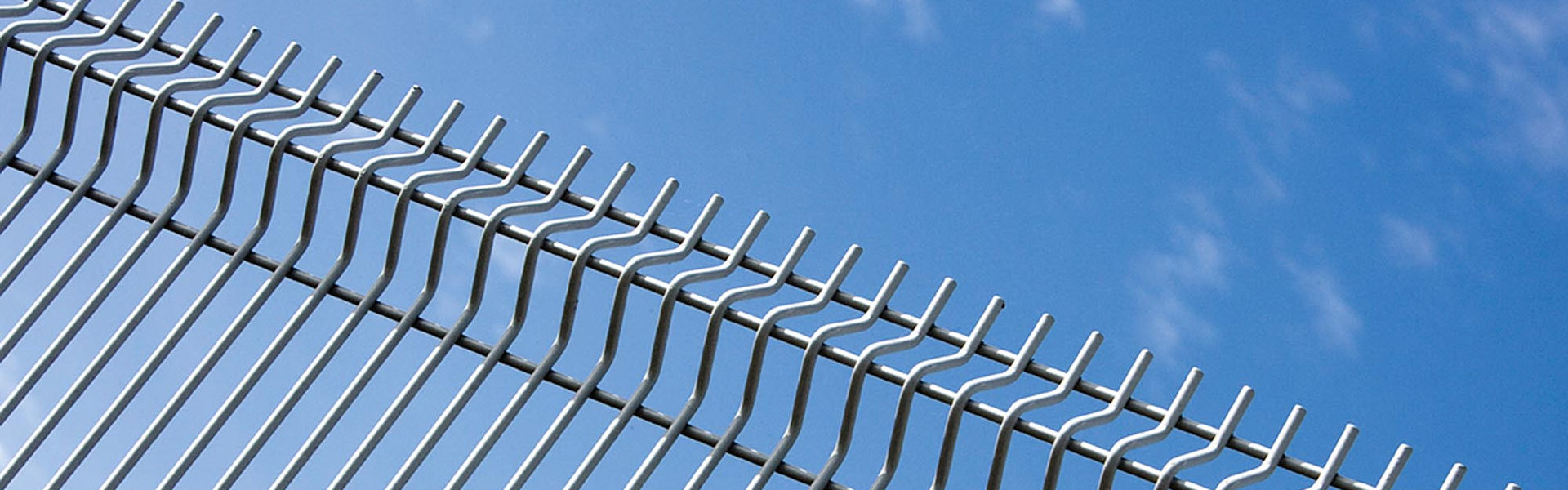
Specializing In The Production Of Gabions, Fences, Sound Barriers, Protective Barriers And Other Products
Author:
Shitai Wire Mesh
Release Time:
Jun 17,2026
Compare anti-climb fence types and sizes to choose the best fit for your property’s security, environment, and budget. Find the ideal anti-climb fence here.

You need to choose the right anti-climb fence by looking at your security needs, the environment, and your budget.
Think about the threats your property faces and the type of space you want to protect.
Make sure the fence size and style match the risks and fit your property.
Consider both how secure the fence is and how well it works for your daily needs.
Assessing Security Needs
Identifying Threat Levels
Residential Properties
You must know what dangers your home faces. Most homes need fences to stop people from climbing easily. Fence height is important. Taller fences are harder to climb. The fence material should be tough and not easy to cut. Think about what intruders can do. Some may use tools or know how to get past barriers. Pick a fence that fits the risks in your area.
Commercial and Industrial Sites
Commercial and industrial places face bigger risks. Skilled intruders may try to break in with special tools. You need fences that are taller and made of strong materials. The fence must be hard to cut or bend. Some sites need fences that meet certain security rules. Look at what you have to protect and how likely it is to be targeted. Strong fences keep valuable things and important areas safe.
Access Points and Vulnerabilities
Find every way people can enter your property. Gates, driveways, and service doors are often weak spots. Intruders like these places because they are easier to get through. Check your fence for gaps or low spots. Fix these areas with stronger fencing or extra barriers. Use locks and controls to limit who can enter. Check your property often to keep it safe and find new weak spots.
Tip: Walk around your property and write down each entry point. This helps you decide where to add more security.
Property Usage
How you use your property changes what fence you need. Different spaces need different types of fences. The table below shows how property use affects fence choice:
Pick a fence that matches how you use your property. High-security places need strong barriers. Homes and businesses may want fences that look good but still keep people out. Government sites need special panels to stop climbing. Always think about how you use your property before picking a fence.
Anti-Climb Fence Types

Welded Wire Mesh
Security Features
Welded mesh panels help keep your property safe. They are strong and hard to break. The mesh size and wire thickness make climbing tough. Intruders cannot grip or cut the fence easily. The panels keep their color and look nice for a long time. You can see through the fence, so it is easy to watch what happens outside.
You can check ASTM F2548 Standard for welded mesh panel rules.
Common Applications
Welded mesh panels are used in secure places and schools. They also protect factories and other work sites. You see them around government and utility buildings. These panels are good for keeping people out and watching entry points.
Expanded Metal
Security Features
Expanded metal fencing is hard to cut or break. The mesh is made by cutting and stretching metal sheets. This makes it strong and hard to get through. The thickness and diamond shape make it last longer. You can see through the fence, but it keeps intruders away. The material does not rust and can handle bad weather.
Expanded metal fencing stands up to weather and attacks. You can look at ISO 1461 Galvanized Coatings for more details.
Common Applications
Factories and warehouses use expanded metal fencing. It protects important things and keeps them safe. You see it in places that need strong fences. The fence works well in rough weather and busy areas.
Chain Link with Anti-Climb Additions
Security Features
Chain link fence gives basic safety and is easy to put up. You can add barbed wire or privacy slats for more protection. The mesh size and wire thickness make climbing harder. The fence can be changed to fit different needs.
Cheap and fast to set up
Can add anti-climb parts
Good for short or long use
Chain link fence may need more barriers in risky places. You can add anti-climb toppings to make it safer.
Common Applications
Chain link fence is used in schools and parks. It is also good for businesses and building sites. The fence is great for saving money and is easy to move. It works for marking property lines and controlling crowds.
Tip: Pick the anti-climb fence that fits your needs and site. Check local rules and material standards before you install it.
Palisade Fencing
Security Features
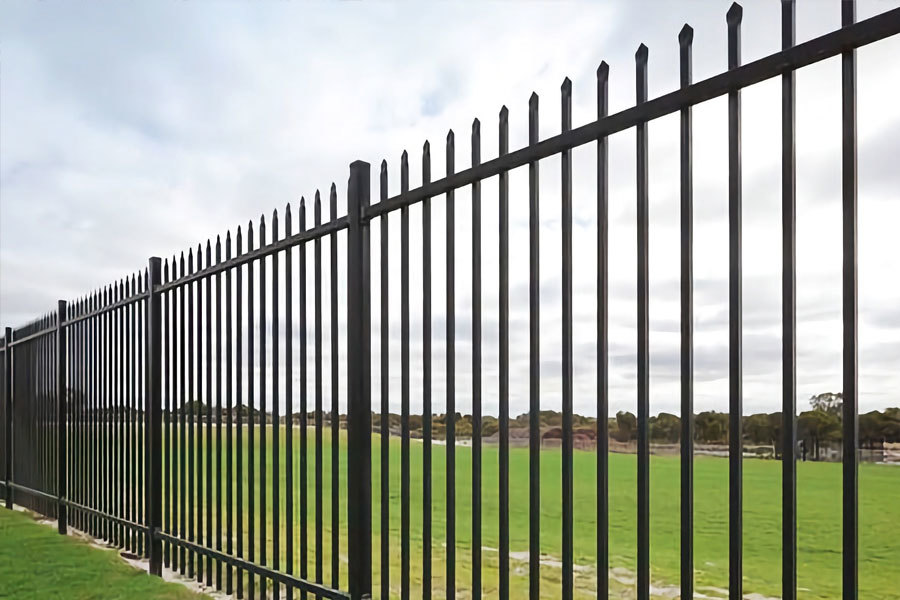
Palisade fencing gives strong protection for your property. The fence is made from steel or iron, so it is very tough. It is hard to break or cut. The vertical pales have sharp tops that make climbing difficult. The fence looks scary and keeps intruders away. The spaces between the pales are small, so people cannot fit through. You can pick different heights and shapes for more safety.
Steel or iron makes the fence strong.
Sharp tops stop people from climbing.
Small gaps keep people out.
You can choose the height and shape you want.
Note: Palisade fencing is great for high-security places. It looks strong and helps you feel safe.
Common Applications
Palisade fencing is used where high security is needed. Factories and power stations use this fence a lot. Warehouses also need this kind of fence. Schools and government buildings pick palisade fencing for extra safety. You see it near railways and airports too. This fence is good for stopping trespassers and protecting important things.
Specialized Barriers
Barbed Wire, Razor Wire, Rotating Spikes
Special barriers give your fence more protection. You can put barbed wire or razor wire on top to stop climbing. Rotating spikes spin when touched, so they are hard to grab. Anti-ram cables help stop cars from breaking in. Some spikes do not move, and some can move. Both types make it hard to get past. Warning signs tell people about the danger.
Barbed wire makes the fence safer.
Razor ribbon cuts and scares off intruders.
Rotating spikes make climbing harder.
Anti-ram cables stop cars.
Spikes block people from getting in.
Warning signs tell people to stay away.
Tip: You can use these barriers with chain link fence, palisade fencing, or welded mesh for the best safety.
Temporary Barriers
Temporary barriers help protect areas for a short time. You use them at building sites, events, or emergencies. Portable fence panels are quick to set up and easy to move. You can add barbed wire or spikes for more safety. Temporary barriers work well with chain link fence for crowd control and safety.
Portable panels are fast to put up.
They are easy to move and change.
You can add barbed wire for more safety.
Good for events, building, and repairs.
Callout: Temporary barriers are flexible. You can protect your property without making big changes.
Choosing Fence Size

Height Selection
Residential vs. Commercial
You have to pick the right fence height. Most homes use fences between 6 and 8 feet tall. This height helps stop people from climbing over. It also keeps your yard private. Businesses often need taller fences. These fences are usually 8 to 10 feet high. Tall fences protect things that are valuable. They also make it harder for intruders to get in. Always check your local rules before building a fence. Some places have limits on how tall fences can be.
Tip: Taller fences give more safety but can cost more and block your view.
High-Security Needs
Places that need high security use even taller fences. These fences are often 10 to 18 feet tall. They protect places like power stations and prisons. Government buildings also use these tall fences. You can add spikes or barbed wire for extra safety. Pick a fence height that matches your security needs.
Mesh Size and Wire Diameter
Preventing Climbing and Tool Access
Mesh size and wire thickness are important for safety. Small mesh holes make it hard to climb. Look for mesh smaller than 3 inches by half an inch. Thick wires are hard to cut or bend. Wires between 4mm and 8mm work well for strong fences. These features help stop tools and climbing.
Note: Smaller mesh and thicker wire make fences safer but can make it harder to see through.
Balancing Security and Visibility
You need to keep your property safe but still see outside. Small mesh and thick wire stop climbing but can block your view. If you want to watch what happens, pick mesh you can see through. Chain link fence with 50mm x 50mm mesh gives some safety and lets you see. Welded wire mesh and expanded metal are very safe and still let you look out. Choose a fence that keeps you safe and lets you observe.
Picket and Pale Spacing
The space between pickets or pales matters for safety. Small gaps stop people from squeezing through. Try to keep gaps under 4 inches for most fences. Palisade fencing uses sharp tops and tight spaces. This design stops climbing and breaking in. Chain link fence uses mesh size instead of picket gaps. Always check the spacing to meet safety rules.
Small gaps make fences safer.
Big gaps make fences less safe.
Sharp tops help stop climbing.
Callout: Good spacing keeps your property safe and follows local rules.
Materials and Coatings
Material Options
Durability and Strength
Pick materials that can handle bad weather and lots of use. Steel is very strong and does not break easily. Aluminum is light and does not rust much. Galvanized steel lasts longer in tough places. Stainless steel is good near the ocean because it fights off salt and water. Anping Shitai Wire Mesh Produce Co.,Ltd. uses new ways to make sure fences are strong.
Steel: Very strong and good for high-security places.
Aluminum: Light, does not rust, great for homes.
Galvanized steel: Lasts longer in hard weather.
Stainless steel: Best for wet or salty places.
Cost Considerations
The material you pick changes how much you spend. Steel fences cost more at first but last a long time. Aluminum and vinyl fences are cheaper and good for saving money. Chain link fences cover big spaces for less money. Welded mesh fences cost more than chain link but keep you safer. Fancy metal fences need more money to buy.
Aluminum and vinyl: Cheap and good for homes.
Steel: Costs more at first but saves money later.
Chain link: Good price for large areas.
Welded mesh: Costs more but is safer.
Decorative metal: Expensive to buy.
Protective Coatings
Corrosion Resistance
Coatings help stop your fence from rusting or getting damaged. Hot-dip galvanization puts a thick zinc layer on steel to make it last longer. Powder coating adds color and protects from the sun. PVC coating keeps out chemicals and helps the fence last longer. Anping Shitai Wire Mesh Produce Co.,Ltd. uses these coatings to make fences better.
Tip: Pick coatings that fit your weather and if you have chemicals or salt nearby.
Maintenance Needs
What you pick for material and coating changes how much work you do. Galvanized steel does not need much care and does not rust easily. Powder-coated fences need you to check for chips or fading sometimes. PVC-coated fences last longer and only need a little cleaning. If you live near the ocean, use stainless steel and double coatings. Factories need coatings that fight chemicals and special cleaning.
Near the ocean: Use stainless steel and extra coatings.
Factories: Pick coatings that fight chemicals.
Homes: Choose fences that are easy to take care of.
Note: Picking the right material and coating means less work and a fence that lasts longer.
Environmental Considerations
Coastal and Humid Areas
You face special challenges when you live near the coast or in humid regions. Salt in the air can cause metal fences to rust quickly. High humidity also speeds up corrosion. You need to choose materials and coatings that resist these problems.
Stainless steel works well in salty air.
Galvanized steel with a thick zinc layer lasts longer.
Powder or PVC coatings add extra protection.
Tip: Rinse your fence with fresh water if you live close to the ocean. This helps remove salt and keeps your fence strong.
You should check your fence often for rust spots. Fix any damage right away to stop it from spreading. Use coatings that block moisture and salt for the best results.
Industrial and Urban Settings
Industrial and city areas bring their own risks. Factories may release chemicals that damage metal. Urban pollution can also wear down fences. You need strong materials and coatings that stand up to these threats.
Pick fences with chemical-resistant coatings.
Use hot-dip galvanized or powder-coated steel.
Choose designs that are easy to clean.
You should place fences where they avoid direct contact with harsh chemicals. Clean your fence often to remove dust and grime. This helps your fence last longer and keeps it looking good.
Note: In busy city areas, pick fences that block climbing but still let you see through. This helps with safety and monitoring.
Residential and Community Environments
Homes, schools, and parks need fences that balance safety and appearance. You want a fence that keeps people out but also looks good in your neighborhood.
Choose styles that match local homes and buildings.
Use coatings that keep color bright and prevent rust.
Make sure fence height follows local rules.
You should think about children and pets. Pick fences with small gaps to keep them safe. Avoid sharp spikes in areas where people walk or play.
Callout: Always check your city’s rules before you build. Some places have strict guidelines for fence style, height, and color.
Regulations and Aesthetics
You have to follow local rules for your anti-climb fence. Each city or town has its own rules. These rules say how tall your fence can be. They also tell you what style, color, and spot you can use. You should ask your city’s building office before you start. This helps you not get fined or have to take down your fence.
Tip: Always get a permit or written approval first. This keeps you safe from legal trouble.
Some neighborhoods have homeowner associations called HOAs. These groups make extra rules for fences. You might need your fence to look like other homes nearby. Some HOAs do not let you use certain colors or materials. You should read the HOA rules before picking your fence.
You also need to think about how your fence looks. Your fence should keep you safe and match your property. There are many styles and finishes to pick from. Some fences look smooth and modern. Others look classic or old-fashioned. You can choose a fence that fits your house or business.
You should also think about how much you can see through your fence. Some places want fences that do not block views. Open mesh or see-through panels are good for these spots. In other places, people want more privacy. Solid panels or tight mesh give you more privacy.
How your fence looks is important for your property value. A nice fence can make your property look better. It can also help your home fit in with the neighborhood. Pick colors and designs that look good all year.
Note: If you live near a historic area, you may have stricter rules. Some places only let you use certain fence styles or materials.
You should also think about safety for kids and pets. Do not use sharp spikes or dangerous parts in family areas. Fences with round tops and smooth finishes are best for homes and schools.
To sum up, you need to balance safety, rules, and looks. Check all local codes and rules. Pick a fence that keeps you safe and looks nice. This helps you avoid problems and keeps your property looking good.
Cost and Maintenance
Upfront vs. Long-Term Value
You should think about both the starting price and how much the fence will cost over time. Some fences cost more when you buy them, but they last longer and save money later. Fences made from strong steel or thick mesh do not break easily. They do not need many repairs. Cheaper fences might break faster and need to be replaced sooner.
Steel and welded mesh cost more at first but need less fixing.
Chain link is cheaper to buy but might need upgrades to be safer.
Expanded metal costs a medium amount and is very strong.
Tip: Buy good materials if you want your fence to last and need fewer repairs.
Installation Complexity
You should think about how hard it is to put up your fence. Some fences need special tools or workers who know what they are doing. Other fences are easy and fast to set up. How you install your fence changes the total cost and how quickly you can make your property safe.
Welded mesh panels need to be lined up right and use strong posts.
Palisade fencing needs skilled workers to build and anchor it.
Chain link is easy to put up and works well for big spaces.
Temporary barriers are fast to set up and need only a few tools.
Note: Getting a professional to install your fence makes sure it works the right way.
Maintenance Requirements
You need to take care of your fence to keep your property safe. How much work you do depends on what your fence is made of and where you live. Checking your fence often helps you find rust, broken parts, or loose wires.
Steel fences should be checked for rust and painted or coated again if needed.
Galvanized and powder-coated fences should be washed with water and checked for chips.
PVC-coated fences should be wiped clean and checked for cracks or peeling.
Chain link fences need their wires tightened and broken parts replaced.
Callout: Taking care of your fence helps it last longer and keeps your property safe.
Anti-Climb Fence Comparison Checklist
Fence Types vs. Security Level
You should pick a fence that matches your safety needs. Each fence type gives a different level of protection. The table below helps you compare the most common fences:
Tip: If your property is at high risk, use more than one fence type. Add barriers for even better protection. You can read security fencing guidelines to learn more.
Size Recommendations
The right fence size helps stop people from climbing. It also keeps your property safe. Here are some easy rules to follow:
Homes: 1.8m–2.4m (6–8 ft) tall
Businesses: 2.4m–3.0m (8–10 ft) tall
High-security places: 3.0m–5.5m (10–18 ft) tall
Mesh size and wire thickness are important too:
For high security, use mesh smaller than 76.2mm x 12.7mm and wire that is 4–8mm thick.
For medium security, use mesh that is 50mm x 50mm and wire that is 2.5–4mm thick.
Keep the space between pickets or pales under 100mm (4 in). This stops people from squeezing through. Always check your local rules for fence height and spacing. You can find more information in building code resources.
Material and Coating Guide
Picking the right material and coating makes your fence last longer. It also makes your fence stronger. Use these tips to help you choose:
Use galvanized or stainless steel if you live near water or salt.
Pick powder or PVC coatings for more color and weather protection.
Choose thick wires and strong posts for places that need more safety.
Note: Check and clean your fence often. This helps your anti-climb fence stay strong and keep working well.
Environmental Suitability
You have to pick an anti-climb fence that fits your area. Every place has different problems for fences. Weather, pollution, and where you live can change how long your fence lasts. These things also change how well your fence keeps you safe.
Key Environmental Factors:
Coastal Areas: Salt in the air makes metal rust fast. Stainless steel or galvanized steel is best here. Thick coatings like PVC or powder help protect the fence.
Humid Regions: Lots of water in the air makes rust happen faster. Use fences with strong anti-rust coatings. Clean your fence often to get rid of mold and dirt.
Industrial Zones: Chemicals and pollution can hurt metal fences. Pick fences with coatings that stop chemical damage. Hot-dip galvanization and powder coating work well here.
Urban Settings: Pollution and dust can wear out fences. Choose materials that do not get dirty easily and are simple to clean. Open mesh fences help you see through and watch your property.
Residential Neighborhoods: You want fences that look nice and keep people safe. Use coatings that keep the color bright and stop rust. Do not use sharp spikes where kids or pets play.
Tip: Look at your local weather and area before picking a fence. This helps you choose materials and coatings that last longer.
Environmental Suitability Table:
You should look at your fence after storms or bad weather. Fix rust or broken parts right away. This keeps your fence strong and your property safe.
Pick materials and coatings that work for your area.
Clean and check your fence often.
Follow local rules for fence style and height.
Note: Picking the right fence for your area helps it last longer and keeps you safe. Always think about weather, pollution, and your neighborhood when you choose your anti-climb fence.
You should pick an anti-climb fence that fits your safety needs, where your property is, and how much you want to spend. Look at what dangers you might face and how your property is set up before you decide.
Choose the fence type and size that works for you.
Make sure you know the local rules and how to take care of the fence.
Try to find a good mix of safety, strength, and price so you get the most for your money.
If your property is tricky or has big risks, ask a security expert for help. Planning ahead keeps your property safe and stops problems later.
FAQ
What is an anti-climb fence?
An anti-climb fence uses special designs and materials to stop people from climbing over. You see tight mesh, sharp tops, or smooth surfaces that make climbing difficult.
How tall should my anti-climb fence be?
You should choose a height based on your security needs. Most homes use 6–8 feet. Businesses and high-security sites use 8–18 feet. Check local rules before you build.
Which material lasts longest for anti-climb fences?
Steel and stainless steel last longest. Galvanized coatings protect against rust. Aluminum resists corrosion but is lighter. Pick materials that fit your environment.
How do I maintain my anti-climb fence?
You need to check for rust, clean dirt, and fix broken parts. Wash with water and inspect coatings. Tighten loose wires or posts. Regular care keeps your fence strong.
Can I add extra security features to my fence?
You can add barbed wire, razor wire, or spikes. These features increase protection. Use warning signs to alert people. Always follow local safety rules.
What mesh size stops climbing best?
Small mesh openings, less than 76.2mm x 12.7mm, work best. Tight mesh makes it hard to grip or use tools. Thick wire adds strength.
Are anti-climb fences safe for children and pets?
You should choose fences with smooth tops and small gaps. Avoid sharp spikes in family areas. Tight mesh keeps pets inside and children safe.
Do I need a permit to install an anti-climb fence?
You must check local building codes. Many places require permits for tall or special fences. Ask your city or HOA before you start.
Get A Quote
Note: Please leave your email address, our professionals will contact you as soon as possible!
Spotlight





Official Website
Hello, What can we do for you?
*Note: Please be sure to fill in the information accurately and keep the communication unblocked. We will contact you as soon as possible


