
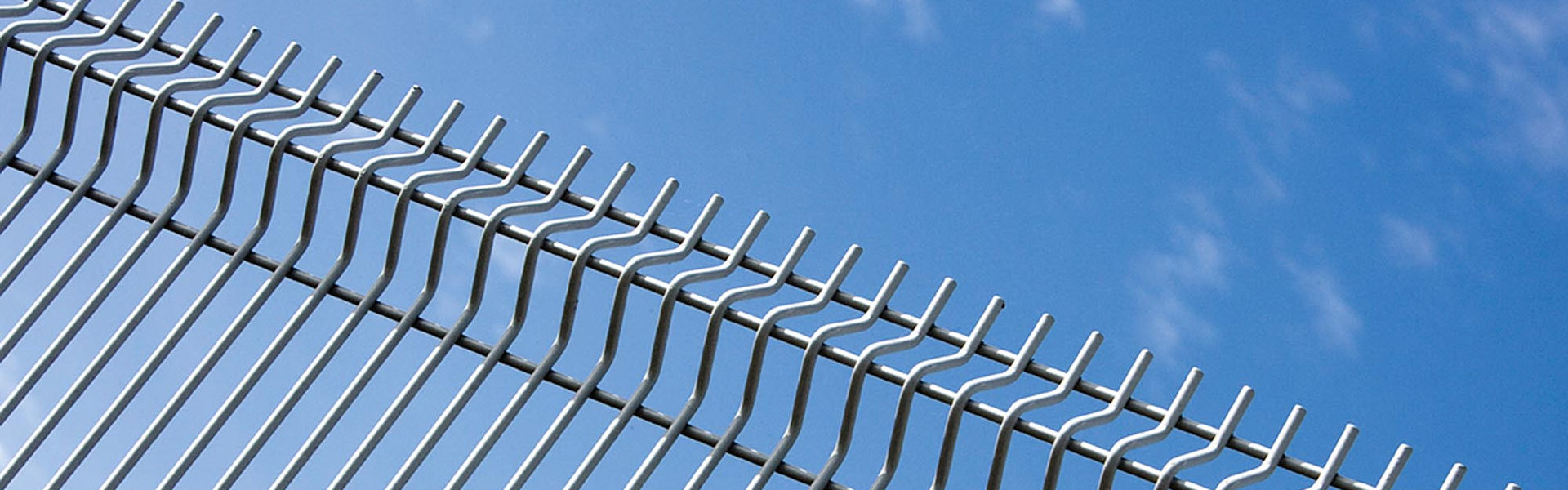
Specializing In The Production Of Gabions, Fences, Sound Barriers, Protective Barriers And Other Products
Author:
Shitai Wire Mesh
Release Time:
Jun 16,2026
An anti climb fence uses tight mesh and smooth surfaces to prevent gripping, making it nearly impossible to climb and enhancing security for various properties.

You need an anti climb fence to keep people out. This fence has a special mesh design. It uses strong welds and curved shapes. These parts stop people from grabbing the fence. They make climbing very hard. The anti climb fence is different because it blocks gripping. It also stops cutting and forced entry. You find these fences in places with high security. The anti climb fence works better than regular fences. It helps stop climbing and keeps out people who should not enter.
Key features include:
Tight mesh and smooth surfaces
Vertical bars and angled tops
High durability and resistance to tampering
Anti Climb Fence Overview

Definition
An anti-climb fence helps stop people from climbing over your fence. This fence uses a mesh with small holes. The small holes make it hard to grab or step on. You see this fence in places that need strong security. The panels are joined with tough welds. The fence is tall and hard to mess with. Mesh security fencing makes a barrier that is tough to get through. It gives you a strong fence to keep your property safe.
Key characteristics of anti-climb fencing:
Minimum height of 3 meters
Outward curving panels
No footholds or handholds
Security toppings like barbed wire or spinners
Purpose
People put up anti-climb fencing to keep their area safe. The main reason is to stop someone from climbing over. Mesh security fencing keeps people out of important places. You can use it at schools, factories, or public areas. The fence design stops cutting and breaking in. It gives you a strong wall to keep out people who should not enter. Mesh security fencing also helps you control who comes in. You can use it for short-term or long-term safety.
Note: Anti-climb fencing works best when you use it with other safety tools. You can add cameras, lights, or alarms for more protection.
Visual Appeal and Security
Mesh security fencing looks neat and modern. The panels fit in with many places. You can pick different colors and finishes. This makes your fence look nice and tidy. The mesh does not block your view. You can see through it and spot trouble fast. Mesh security fencing also matches with plants and buildings. You get a strong fence that does not look scary or rough.
Benefits of mesh security fencing for visual appeal and security:
Keeps open views for watching
Fits many property styles
Stops intruders without looking like a fortress
Makes your area safe and friendly
How It Works
Mesh Structure
Anti-climb fences use a special mesh structure. You see tight wires welded together in a grid. This design makes the fence difficult to climb. The small spaces between wires stop you from getting a foothold or handhold. The mesh stays strong even if someone tries to bend or cut it.
Unique Welds
Each wire joins another with a strong weld. These welds keep the mesh rigid. You cannot pull the wires apart. The fence does not sag or warp under pressure. This strength keeps the fence difficult to climb, even if an intruder uses tools.
Narrow Apertures
The mesh has narrow apertures. These small openings do not let you fit your fingers or shoes. You cannot use climbing aids. The lack of space means you cannot get a grip or step up. This feature gives the fence its climb resistance.
Tip: Mesh with apertures smaller than 76.2mm x 12.7mm (3" x 0.5") offers the best protection against climbing.
Surface Design
The surface of an anti-climb fence feels slick and smooth. You cannot get a good grip. The finish also protects the fence from rust and weather. This keeps the fence strong and looking new for years.
Slick Materials
Manufacturers use galvanized steel or powder-coated finishes. These materials make the fence slippery. Intruders find it difficult to climb because their hands and feet slide off. The coating also stops corrosion, so the fence stays effective.
Curved Structure
Many anti-climb fences have a curved top. The panels bend outward or upward. This curve makes it even more difficult to climb over. When you reach the top, you cannot balance or pull yourself over. The curve also stops you from using tools to hook onto the fence.
Climb Resistance
Anti-climb fences focus on climb resistance. Every part of the design works to stop you from getting over. The fence does not give you any help to climb.
Lack of Handholds
You will not find any handholds or footholds. The mesh is too tight. The surface is too smooth. The top curves away from you. These features block every way you might try to climb.
Durability
Anti-climb fences last a long time. The strong welds and tough materials resist damage. Intruders cannot break or cut the fence easily. The fence keeps its shape and strength, even after years of use.
Here is a table showing the features that make anti-climb fences difficult to climb:
You can learn more about anti-climb fence mechanisms and standards from The American Society for Testing and Materials (ASTM) and The Centre for the Protection of National Infrastructure (CPNI).
Anti Climb Fence Features
Height and Structure
When you pick an anti-climb fence, think about how tall it should be. Security rules say the fence should be at least 2.1 meters high. If you use a 3-meter fence, it is much harder to climb. Taller fences also make it easier to see people trying to get in. You can get fences as tall as 8 to 20 feet for special places. A high fence takes more time and effort to climb.
Richard Flint from BRE says taller fences are harder to climb. You should choose a fence height that fits your safety needs. A tall fence makes climbing difficult and helps you spot intruders.
Mesh and Aperture Size
Mesh size is very important for anti-climb fences. The 358 weldmesh is called anti-climb because the holes are tiny. Each opening is only 0.5 inches tall. The tight wires stop people from getting a grip with fingers or toes. Small spaces mean you cannot climb up the fence. The design removes places to grab or step.
Tiny holes make it hard to grab.
Tight mesh keeps out most climbers.
Small spaces stop fingers or shoes from fitting.
No handholds or footholds are left.
Pick mesh with small holes for the best climb resistance. This makes the fence work well against all types of intruders.
Materials and Coatings
Anti-climb fences need to be made from strong stuff. Steel is very strong and hard to break. High-grade aluminum is light and does not rust. Some fences use steel or aluminum mesh for extra strength. Special coatings help the fence last longer and protect it from rain.
You can pick steel, galvanized steel, stainless steel, aluminum, copper, brass, or titanium. Coatings like vinyl or galvanized finishes help the fence last longer. Choose your materials and coatings based on where you put the fence and how safe you want it to be.
Visibility and Integration
You want a fence that keeps your property safe but does not block your view. Anti-climb fences use open mesh panels. This design lets you see through the fence easily. You can watch both sides of the fence without any trouble. The open mesh makes it simple to spot anyone near your property. You can notice threats before they become a problem.
The open mesh structure does more than just look good. It helps you supervise your area at all times. Security guards and cameras work better when nothing blocks their view. You can check the perimeter quickly. You do not miss any movement outside the fence. This makes your security system stronger.
Open mesh forms enable effective surveillance.
You can detect threats beyond the perimeter with ease.
You can use anti-climb fences in many places. They fit well in schools, parks, factories, and public spaces. The fence does not make the area feel closed off. People feel safe but not trapped. The design blends with the environment. You can match the fence color to buildings or landscaping. This helps the fence look neat and professional.
You can also add plants or hedges near the fence. The mesh allows sunlight and air to pass through. Plants grow well next to the fence. This makes your property look better without losing security. You can create a green barrier that still lets you see everything.
Anti-climb fences work well with other security tools. You can install cameras, lights, or alarms on the fence. The open mesh does not block sensors or lights. You get full coverage for your property. You can place warning signs on the fence. People see the signs clearly because nothing blocks them.
Here is a quick look at how anti-climb fences help with visibility and integration:
Tip: Choose a fence color that matches your property. This helps the fence blend in and look less harsh.
You get a fence that protects your property and keeps it looking open and friendly. You do not have to choose between safety and style. Anti-climb fences give you both.
Types of Anti Climb Fence
Welded Wire Mesh
Welded wire mesh fences are used for strong security. Steel wires are welded together at every crossing. This makes the fence tough and stiff. The mesh is tight, so climbing is almost impossible. Cutting through is also very hard. You can see through the fence easily. This helps you watch for trouble. Welded wire mesh is good for prisons and government sites. It is also used where you need to spot intruders fast. The fence design stops tampering and handles bad weather.
Welded joints keep the fence from sagging.
Small mesh holes block fingers and tools.
Cameras and alarms work well with this fence.
Palisade
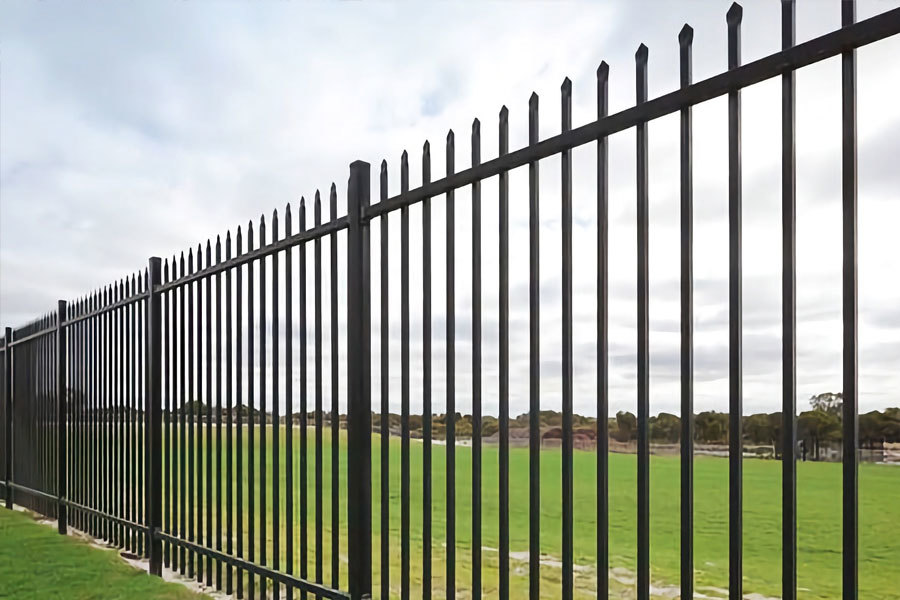
Palisade security fencing uses tall steel bars. The bars stand straight up and have pointed tops. You see this fence at factories and data centers. The upright bars make a strong wall. The pointed tops warn people to stay away. Climbing is dangerous because of the sharp points. Palisade fencing looks scary and tells people not to enter. The steel bars are hard to cut or bend. You can use palisade fencing for places that need strong protection.
Vertical bars stop climbing and cutting.
Pointed tops keep people from scaling the fence.
Steel frame stands up to hits and bad weather.
Note: Palisade fencing is best for places needing a strong wall and a warning.
Chain Link with Enhancements
Chain link fences are cheap and easy to use. Alone, they do not stop climbing. You can add barbed wire or spikes to make them safer. These extras make climbing and cutting much harder. Chain link with enhancements is good for warehouses and building sites. It works well for temporary fences. You can set up these fences fast and move them if needed.
Barbed wire and spikes make climbing harder.
The fence fits many places easily.
Good for short-term or changing security needs.
Here is a table comparing the main types of anti climb fences:
Welded wire mesh: Very tough, good for factories and secure places.
Palisade fencing: Strong and scary, fits high-security businesses.
Chain link fencing: Cheap, often used with barbed wire for more safety.
Curved and Temporary Solutions
Curved anti climb fences have a special shape for more safety. The top of the fence bends outward. This curve makes it much harder to climb. If you try to go over, your hands and feet slide off. Ladders and hooks do not work on the curve. You cannot balance or pull yourself over the top.
Curved fences are good for places that need more protection. You see them at schools, airports, and factories. The curved top keeps intruders from getting to the other side. The curve also warns people that the fence is hard to cross.
Key benefits of curved anti climb fences:
The outward curve stops tools from hooking on.
The curve makes climbing hard for everyone.
The curve shows people the fence is for high security.
Temporary anti climb fences help protect areas for a short time. You use them at events, building sites, or emergencies. These fences stand up by themselves. You do not need to dig holes or use concrete. You can move them when you want.
You can set up temporary anti climb fences very fast. The panels connect with clamps. You can add mesh, spikes, or barbed wire for more safety. These fences keep people out while you work or control a crowd.
Advantages of temporary anti climb fences:
You can put them up and take them down fast.
You can move them to different places as needed.
The panels are light and easy to carry.
You can add mesh or spikes to make them safer.
Here is a table comparing curved and temporary anti climb solutions:
Tip: Pick curved fences for places that need to stay safe for a long time. Use temporary fences when you need quick safety for a short time.
You can use both curved and temporary fences together. For example, you can put curved panels on portable bases. This gives you strong safety and lets you move the fence. You can change your fence when your needs change.
Curved and temporary anti climb fences help keep your property safe. You can pick the right fence for long-term or short-term needs. You can match the fence to your place and how much safety you want.
Security Enhancements

You can make your anti climb fence stronger with extra security topping and special systems. These upgrades help stop people from getting in and make your fence safer.
Fence Toppings
Security topping goes on top of your fence. It makes climbing much harder and more dangerous for anyone trying to get over. You can pick from a few different types.
Barbed Wire
Barbed wire is a popular security topping. It has sharp points that stick out. If someone tries to grab it, they will get hurt. Barbed wire is good for basic safety.
Razor Wire
Razor wire is even stronger than barbed wire. It has thin blades that can cut and scratch. This wire gives you very high protection. You see razor wire in places with strict safety rules.
Rotating Spikes
Rotating spikes spin when someone touches them. Intruders cannot hold on because the spikes move. This makes climbing almost impossible. Rotating spikes give your fence extra safety.
Here is a table that shows how well each topping stops climbing:
You can read more about fence topping rules from ASTM International.
Tip: Use more security topping if you need extra safety. Razor wire and electric fencing are the best for stopping intruders.
Integrated Systems
You can make your fence even safer by adding special systems. These tools help you see intruders and act fast.
CCTV
CCTV cameras let you watch your fence all the time. You can record what happens and see who tries to get in. High-definition cameras show clear pictures. Thermal cameras work in the dark. Some cameras can spot movement and send you alerts.
Sensors
Sensors help you know when someone is near your fence. Motion sensors and glass break detectors warn you early. Some systems use wires under the ground or sensors on the fence. These tools notice climbing or cutting and tell you right away.
Lighting
Lighting helps you see your fence at night. Bright lights scare off people who want to break in. You can see what is happening and find threats fast. Lights work well with cameras and sensors.
CCTV and sensors send alerts right away.
Lighting helps you see better and keeps intruders away.
You can learn more about these systems at CPNI.
Note: Use both security topping and special systems for the best safety. These layers stop intruders and help you act quickly.
Installation and Maintenance
Site Assessment
You start by checking your site. Walk the area where you want the fence. Look for slopes, rocks, or trees. Mark underground utilities before digging. Measure the total length and note any corners or gates. Decide where you need extra security, like near entrances or parking lots. Good planning helps you avoid mistakes and saves time.
Check for uneven ground or obstacles.
Mark all gate and access points.
Identify high-risk zones for extra features.
Tip: Take photos of the site. This helps you plan and order the right materials.
Installation Techniques
You need the right tools and steps for a strong fence. Dig post holes deep enough for stability. Set posts in concrete to keep them firm. Attach mesh panels tightly to each post. Use strong ties and hardware. Make sure the panels line up straight and do not sag. Add fence toppings like barbed wire if needed.
Basic steps for installation:
Mark the fence line with stakes and string.
Dig holes for posts at regular intervals.
Set posts in concrete and let them cure.
Attach mesh panels with clamps or ties.
Install gates and check for smooth operation.
Add security toppings or sensors if required.
A level fence works better and lasts longer. Double-check all connections for strength.
Maintenance Needs
You keep your fence strong with regular checks. Inspect the fence every few months. Look for loose ties, damaged mesh, or bent posts. Tighten hardware and replace broken parts right away. Galvanized or PVC-coated fences resist rust and corrosion, even in harsh weather. You do not need to paint or seal these fences like wood. Clean off dirt and debris to keep the fence looking good.
Check and tighten ties, hardware, and posts.
Remove weeds or plants growing on the fence.
Wash panels with water to remove grime.
Replace damaged sections quickly.
A well-maintained fence gives you long-term security with little effort.
Choosing Anti Climb Fence
Security Needs
First, think about what you need to keep safe. Ask yourself what you want your fence to protect. A school, warehouse, and power station all need different security. If you just want to stop people from sneaking in, a basic anti-climb fence might be enough. For places with more danger, you need a fence that stops climbing and cutting. You should also think about how long you want to slow down someone trying to break in. The right fence gives you time to react if there is a problem.
Write down your biggest risks.
Decide if you want simple or strong protection.
Think about how much you want people to see your fence.
Tip: Taller fences and smaller mesh holes make things safer, but they can cost more.
Comparing Types
There are different anti-climb fences you can pick from. Each one works best for certain places and needs. Use these ideas to help you choose:
Security Performance: Chain link fences are good for low or medium safety. Welded mesh fences are very strong and hard to climb.
Aesthetics: Chain link looks plain and simple. Welded mesh can look nice and match buildings in fancy areas.
Durability: The best finish depends on your weather. Use special coatings if you live near the ocean or in a factory area to help your fence last.
Here is a table to help you compare:
Note: Pick welded mesh for places that need lots of safety. Use chain link for normal areas.
Budget and Durability
You need to think about how much money you want to spend and how long you want your fence to last. Chain link fences are cheaper but may not stop someone who really wants to get in. Welded mesh costs more but is safer and lasts longer. Coatings like galvanized or powder-coated finishes keep your fence from rusting and protect it from bad weather. These choices might cost more at first, but you save money later because you do not have to fix your fence as much.
Decide your budget before picking a fence.
Choose a finish that works for your weather.
Plan to save money over time, not just right now.
Callout: Buying a strong anti-climb fence now means you will not have to fix or replace it as often later.
Use Cases
Commercial Sites
Anti-climb fences help keep commercial sites safe. They make a strong wall around places like warehouses and factories. The mesh stops people from grabbing or stepping on the fence. This blocks entry to loading docks and parking lots. Intruders cannot climb over easily. Valuable equipment stays safe behind the fence. Theft and vandalism happen less often. Workers and visitors feel safer with these fences. You can add security toppings for more safety.
Mesh panels stop climbing.
Tall fences keep trespassers away.
Security toppings make the fence stronger.
Tip: Put anti-climb fences near doors and gates for best security.
Public Facilities
Anti-climb fences protect places like schools and parks. The mesh is tight so no one can get a grip. Climbing becomes very hard. Spikes at the top warn people not to try. Children and visitors stay safe because the fence blocks entry. Playgrounds and sports fields are protected. The fence fits in with the area and does not block views. You keep the space open and friendly while making it safer.
Tight mesh stops climbing.
Spikes scare off intruders.
Open design keeps the area welcoming.
Note: Anti-climb fences help you follow safety rules for public places.
Utilities
Anti-climb fences keep utility sites safe. They surround power stations and water plants. The strong mesh stops climbing and tampering. Important equipment stays safe from intruders. The fence blocks entry to dangerous areas. This lowers the chance of accidents and sabotage. Workers can get in easily, but others cannot climb over. You can add sensors and cameras for extra safety.
Strong mesh stops climbing.
Security toppings keep people out.
Sensors and cameras help watch the site.
Callout: Anti-climb fences help protect important services and keep people safe.
Residential Areas
You want your home to be safe. Anti climb fences help protect your family and property. These fences work well for houses, apartments, and neighborhoods. They make a strong wall that keeps out unwanted people.
Homeowners pick anti climb fences for many reasons:
Stop trespassing and burglary
Keep kids and pets inside the yard
Deter vandals and loiterers
Keep privacy without blocking views
You can choose a fence style that fits your house. Mesh panels look modern and do not close off your yard. You can see through the fence and watch outside. The fence design matches gardens, lawns, and driveways.
Anti climb fences use tight mesh and smooth surfaces. Intruders cannot grab or step on the fence. The fence is tall and strong. You do not have to worry about someone climbing over. The fence resists cutting and bending. You feel safe knowing your home has extra security.
You can add features to make your fence safer:
Gates with strong locks
Lights that turn on when someone moves
Warning signs
Decorative fence toppings
Here is a table showing how anti climb fences help homes:
Tip: Pick a fence height that works for you. Taller fences give more safety but may need local approval.
You can put anti climb fences along property lines, around pools, or near gardens. The fence does not block sunlight or air. Plants grow well next to the mesh. Your yard stays open and bright.
You make your home safer with a fence that does not look scary. You get a nice and safe space for your family. Anti climb fences let you control who comes onto your property.
You get strong safety when you put up an anti climb fence. The tight mesh and smooth surface make it hard for people to climb. You can make your fence safer by picking the best features for your place. This is very important in places that need strict security, like factories, where things must look neat and professional. Anti climb fencing is an important part of keeping your whole area safe.
Stops people from climbing or breaking in
Works well in many places and for different needs
Helps you build layers of security
FAQ
What makes an anti climb fence different from a regular fence?
You see smaller mesh openings and smooth surfaces on anti climb fences. These features stop you from getting a grip or foothold. Regular fences often have larger gaps and rougher surfaces.
Can you cut through an anti climb fence easily?
No. You will find strong welds and tough materials in anti climb fences. These features make cutting very hard without special tools.
Where should you use an anti climb fence?
You should use anti climb fences at schools, factories, parks, and utility sites. These fences work best where you need to stop climbing and keep areas secure.
How long does an anti climb fence last?
You can expect an anti climb fence to last many years. Galvanized or coated steel resists rust and weather. Regular checks help your fence stay strong.
Do anti climb fences block your view?
No. The mesh design lets you see through the fence. You can watch both sides and spot trouble quickly.
Can you add extra security to an anti climb fence?
Yes. You can add barbed wire, razor wire, or sensors. These features make your fence even harder to climb or break.
Is an anti climb fence safe for children and pets?
Yes. The tight mesh keeps children and pets inside your yard. The smooth surface stops injuries from sharp edges.
How do you keep an anti climb fence in good shape?
You should check for loose ties, bent posts, or damaged mesh. Clean the fence with water and remove plants growing on it. Replace broken parts right away.
Get A Quote
Note: Please leave your email address, our professionals will contact you as soon as possible!
Spotlight





Official Website
Hello, What can we do for you?
*Note: Please be sure to fill in the information accurately and keep the communication unblocked. We will contact you as soon as possible


