
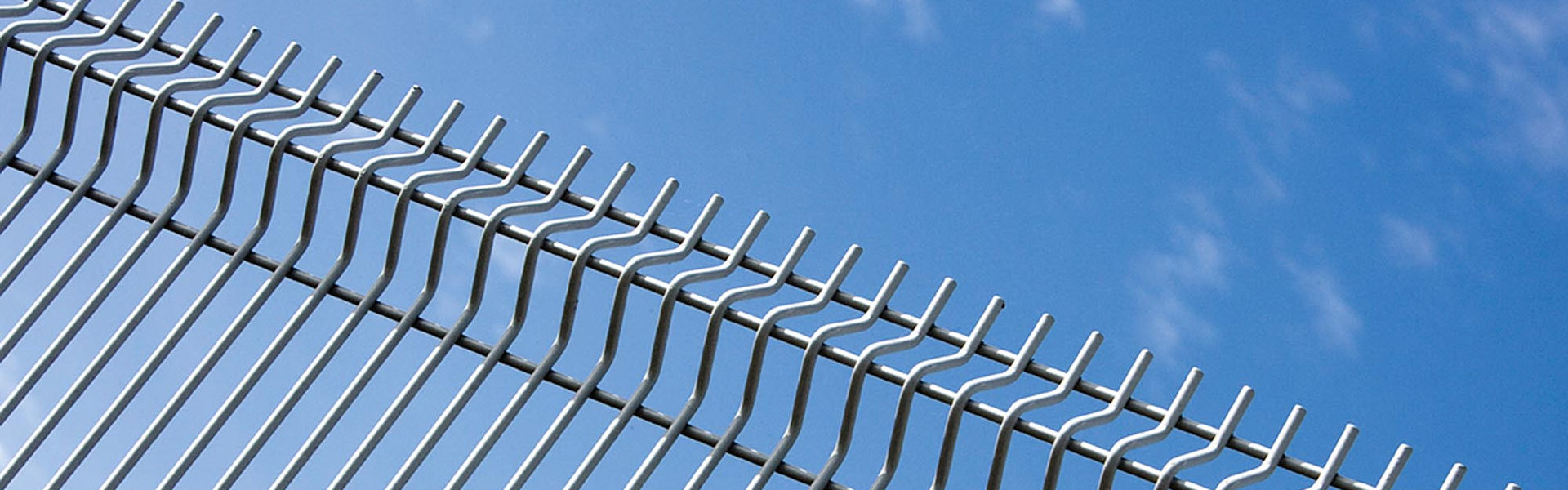
Specializing In The Production Of Gabions, Fences, Sound Barriers, Protective Barriers And Other Products
Author:
Shitai Wire Mesh
Release Time:
Jun 18,2026
A high security fence uses strong materials, anti-climb design, and advanced features to protect sensitive areas from unauthorized access and threats.

A high security fence makes a tough wall that keeps people out. It protects important things from being taken or damaged. These fences are used at places like factories, warehouses, and building sites. They are also used at oil and gas areas and sports fields. The main parts are strong steel or mesh panels. They have designs that stop people from climbing over. Some fences have barbed wire or razor wire to scare people away. You can add CCTV cameras and motion sensors to watch the area more closely. Knowing about these features helps you pick the right fence for your security needs.
What Is a High Security Fence

Main Purpose
A high security fence helps protect places that need strong barriers. Its main job is to stop people from going in without permission. Regular fences just show where your land is or look nice. High security fences guard important places. You can find them at power plants, airports, and factories. These fences keep out people who should not be there and lower risks.
Tip: Pick a high security fence if you need to keep valuable things or secret information safe.
High security fences use strong materials and special designs. They are tall and hard to cut or climb. You can add things like barbed wire, razor wire, or automatic gates. These extras make the fence even harder to get through. You can also watch what happens with cameras or sensors.
Here are some main features:
How It Differs from Standard Fencing
There are big differences between high security fences and regular fences. Regular fences are often made of wood or concrete. They might look strong but can block your view. High security fences use mesh or steel. You can see through them to watch what is happening.
Chain link fencing lets you see both sides. You can watch for trouble.
Solid walls block your sight. People can hide behind them.
High security fences can fit many places. Regular fences do not change and may not work everywhere.
Here is a quick comparison:
High security fences give you better protection and make it easier to watch the area. You also get things like anti-cut mesh and automatic gates. These features make high security fences the best choice for important places.
Key Features of High Security Fencing
Material Strength
Steel, Mesh, and Composite Options
Strong materials are needed for a good security fence. Steel panels and welded mesh are very tough. Composite materials make the fence last longer and fight rust. Steel is hard to cut or bend. Welded mesh with small holes stops most tools. Composite materials work well in rough weather.
A high security fence keeps people out and scares them away.
Strong materials, tall fences, and anti-climb parts stop break-ins.
Palisade fencing uses upright steel bars. This makes climbing and cutting hard.
If you want more details about materials, check ASTM International for rules.
Impact and Tamper Resistance
High security fences must handle hits and people trying to break them. Crash-rated and anti-ram fences use strong steel and deep posts. These fences stop cars and heavy hits. Special bolts and hidden parts keep panels from being removed.
Crash-rated and anti-ram fences protect important places from car attacks.
You get strong security with anti-tamper bolts and tough frames.
Impact resistance is important for places needing strong fences.
Crash-rated and anti-ram fences are used at airports, data centers, and government sites.
Anti-Climb and Deterrent Elements
Spikes, Barbed Wire, Razor Wire
You can make your fence safer by adding things on top. Spikes, barbed wire, and razor wire make climbing risky. These toppings warn people to stay away.
Crash-rated and anti-ram fences often use these toppings for extra safety.
Tight Mesh and Angled Tops
Tight mesh and angled tops help stop climbing. Small mesh sizes, like 358 mesh, block hands and feet. Angled or curved tops make climbing harder.
Small mesh and close spacing stop hands and feet.
Pointed or angled tops, like spikes, keep people from climbing.
Upright designs have few flat parts, so climbing is almost impossible.
Crash-rated and anti-ram fences with these features give strong security for risky places.
Visibility and Monitoring
Clear Sight Lines
High security fences should let you see through them. Clear sight lines help you watch and spot trouble fast. Mesh and palisade designs let you see but stay strong.
Fences like welded mesh help cameras see everything.
Security guards can react faster and keep things safe.
See-through fences scare people and make security better.
You can learn more about seeing through fences at Security Industry Association.
Integration with Surveillance
Modern security fences often use cameras and sensors. You can add CCTV, motion sensors, and lights to your fence. These tools help you find and stop threats quickly.
CCTV cameras watch and record what happens.
Motion sensors spot movement and turn on alarms or lights.
Perimeter lights make dark spots bright, so intruders can’t hide.
Alarm systems tell you right away if someone breaks in.
Crash-rated and anti-ram fences work with these tools, making your fence a full security system.
Integrated Gates and Access Control
Gates must be as strong as your high security fence. They are the main way in and out. Gates need to stop people from breaking in or messing with them. Use heavy-duty steel or strong materials for every gate part. Secure locks and special hinges help keep out intruders.
Automated gates make things safer and easier to control. You can open them with a keypad, intercom, or remote. This means you do not have to leave your spot to let someone in. Automated gates also help stop mistakes made by people.
Access control systems give extra protection. You can use card readers, keypads, or fingerprint scanners to control who gets in. These systems keep a list of everyone who enters or leaves. This helps you know who is on your property at all times.
It is best to use gates with electronic security systems. Add CCTV cameras to watch the gate area. Use motion sensors and lights to see movement and brighten dark places. Alarm systems warn you right away if someone tries to break in.
Some places need even stronger gates, like important buildings. Crash-rated and anti-ram gates can stop cars from getting through. These gates use strong steel and special shapes to take the hit and spread out the force.
Tip: Make sure your gate is as strong and safe as your fence. If your gate is weak, it can be an easy way in.
Here is a simple checklist for gates and access control:
Pick gates made from heavy-duty steel or strong materials.
Put in secure locks and special hinges.
Choose automated gates for more safety and control.
Add access control like card readers or fingerprint scanners.
Use CCTV, motion sensors, and alarms to watch everything.
Pick crash-rated gates for places that need extra safety.
A good gate and access control system keeps your fence line safe. It also helps you control who comes in and out.
Types of High Security Fences

Welded Mesh Fencing
Welded mesh fencing is a strong choice for keeping places safe. It uses steel wires that are welded together to make panels. The panels have small spaces, so climbing and cutting are hard. This fence is tough to break and you can see through it easily. Cameras and lights work well with welded mesh fencing.
Here are some benefits:
You often see welded mesh fences at schools and business parks. They are also used at data centers. Mesh security fencing protects public places and important buildings. You can set it up fast and keep your property safe with little work.
Palisade Fencing
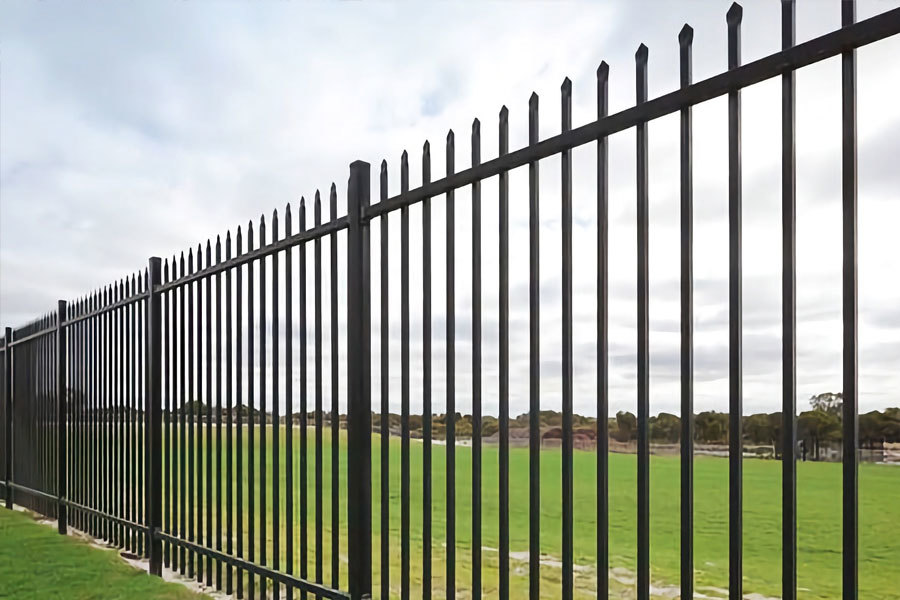
Palisade fencing has tall steel bars with sharp tops. It makes a strong barrier that tells people to stay away. The design makes it very hard to climb or cut. Each bar is tall and pointed, so intruders cannot get over or through.
Palisade fencing is strong and does not need much care. You can see through it, which helps cameras watch the area. People use palisade fencing at factories, utility sites, and schools. This fence is good for places that need strong security.
Note: Palisade fencing is hard to climb or cut because of its steel bars and sharp tops.
Enhanced Chain Link Fencing
Enhanced chain link fencing is flexible and strong. You can make it safer by adding extra features:
Put barbed wire or razor wire on top.
Use anti-climb mesh with smaller spaces.
Pick strong galvanized steel and powder-coated finishes.
These upgrades make chain link fences harder to climb or cut. You can use this fence at sports fields and warehouses. Enhanced chain link fencing is good when you need both strength and to see through the fence.
Here is a table to compare the main types of security fencing:
You can pick the best security fence by looking at what each type does and where it works best. Each kind has special benefits for different places.
Electric and Specialized Fencing
Electric fencing helps keep your property safe. It uses electric pulses to stop people from getting in. If someone touches the wire, they get a quick shock. The shock hurts for a moment but does not cause injury. This makes people stay away from the fence. Electric fencing is used at places like power stations, prisons, and storage yards.
You can use electric fences alone or add them to other fences. Many people put electric wires on mesh or chain link fences. This makes the fence harder to climb or cut. Electric fencing is also good for remote areas to keep animals in or out.
Specialized fencing uses sensors and vibration systems. These fences use technology to find movement or tampering. If someone tries to climb or cut the fence, the system sends an alert. You can connect these fences to alarms, lights, or cameras. This helps you react quickly to any threat.
Note: Electric and specialized fences work best with other security features. Use cameras, alarms, and lights for full protection.
Here are some key features of electric and specialized fencing:
Gives a shock that does not injure intruders.
Works with other fences for more security.
Finds tampering or movement right away.
Sends alerts to your security team.
Easy to connect with cameras and alarms.
You need to think about safety and rules when using electric fencing. Here are some important points:
Electric fence controllers do not always follow the same rules as other devices.
General safety rules still apply. You must prevent electric shock hazards.
Safety and electromagnetic compatibility are important. The rules do not tell you exactly how to test or build the fence.
Always check local laws before you install electric fencing. Some places have strict rules about where and how you can use these fences. You may need warning signs to let people know about the electric shock risk.
Specialized fencing can include:
Pick the right fence by thinking about your security needs. Electric fencing gives you a strong warning and a physical barrier. Sensor fences help you spot threats before they get inside. Both types work well for high-risk areas.
Tip: Combine electric or sensor fencing with strong gates and access control for the best results.
Electric and specialized fencing give you advanced ways to protect your property. You get fast alerts, strong barriers, and flexible options for many locations.
Critical Design Elements
Foundation and Installation
A high security fence needs a strong base. The base keeps the fence steady and hard to push over. Concrete footings are best for most places. Deep posts make it tough to move or lift the fence. Always check the ground before building. Rocky or soft dirt needs special steps.
Getting experts to put in your fence helps a lot. They know which fence works best for your land. They use tough materials that last a long time. Good work means you will not fix the fence often. You also follow safety rules in your area. Here is why expert installation is important:
Tip: Always hire skilled workers for your fence. This keeps your fence strong and saves you money.
Tamper-Resistant Connections
Every part of your fence should stay in place. Tamper-resistant connections stop people from taking the fence apart. Use bolts that need special tools to remove. Hide fasteners so people cannot reach them. Welded joints make the fence even stronger.
Check all joints and hinges often for problems. Look for loose parts or signs someone tried to break in. Fix broken pieces right away. Lock gates with heavy-duty locks and shield the hinges. This makes it hard for intruders to get through.
Use anti-tamper bolts and nuts.
Weld panels to posts if you can.
Cover or hide all screws and fasteners.
Check connections during regular checks.
A fence is only as strong as its weakest part. Strong connections keep your whole fence safe.
Height and Physical Barriers
How tall your fence is matters a lot. Tall fences stop people from climbing over. Most high security fences are at least 8 feet tall. Some places need fences that are 10 feet or even taller. Add angled tops or spikes for more safety.
Physical barriers make your fence even better. Use concrete walls, berms, or ditches in front of the fence. These slow down cars and people. Put barriers where you think there is more danger.
Pick a fence height that fits your security needs.
Add toppings like barbed wire or razor wire.
Use extra barriers for places with more risk.
Note: A tall, well-built fence with strong barriers gives you the best safety.
Plan your fence with these things in mind. A strong base, safe connections, and the right height work together to protect your property.
Choosing the Right Security Fencing
Assessing Threat Level
You need to start by understanding the risks around your property. Look at what you want to protect and who might try to get in. A good plan helps you choose the right security fencing for your needs.
Check the type of fencing that fits your site.
Decide how tall the fence should be to stop climbing.
Pick strong materials that resist cutting and breaking.
Think about adding cameras or alarms for extra protection.
Do a Threat and Risk Assessment (TRA) to find weak spots.
You should also ask yourself what you want your fence to do. A strong fence can:
Deter people from trying to enter.
Detect if someone tries to break in.
Delay intruders so you have time to respond.
Deny access to important areas.
Defend your property from harm.
Look at the level of risk, the layout of your site, any rules you must follow, and your budget. These steps help you match your fence to your real security needs.
Tip: A careful threat assessment leads to better security fencing solutions.
Location and Environment
Where you put your fence matters. The ground, weather, and nearby buildings all affect your choice. You need a fence that stands up to local conditions.
Check if the soil is rocky, sandy, or soft. This changes how you install the fence.
Think about rain, snow, wind, and sun. Some materials last longer in harsh weather.
Look at slopes or uneven ground. You may need special posts or panels.
Notice if trees, roads, or other buildings are close by. These can help or hurt your fence’s strength.
Choose materials that resist rust and damage. Galvanized steel or coated mesh works well in wet or salty areas. In dry places, you might need UV-resistant coatings. Always plan for the environment to keep your fence strong.
Maintenance and Longevity
A good fence should last for years with little work. You want to spend less time and money fixing it.
Pick materials that do not rust or rot.
Use coatings that protect against weather and wear.
Check gates, locks, and fasteners often for damage.
Clean the fence to remove dirt and plants that can cause problems.
Set up a simple maintenance schedule. Inspect your fence every few months. Fix small issues before they grow. This keeps your security fencing working well and saves money over time.
Note: Regular care helps your fence stay strong and keeps your property safe.
Budget Considerations
You must match your security needs to your money. Make a budget before you start your project. This keeps you from spending too much and helps you pick what matters most.
Write down what is most important for your fence. Decide if you want strong fences, new technology, or just basic safety. Some things, like anti-climb mesh or electronic gates, cost more money. Other things, like regular mesh panels, are cheaper but still work well.
Check this table to see how costs change:
Pick materials that last a long time to save money. Galvanized steel costs more at first but needs fewer repairs. Cheaper materials may break faster and need fixing more often.
Think about how much it costs to put up the fence. Hiring experts costs more but makes sure your fence works right. Bad installation can mean more repairs and higher costs later.
Remember future costs like fixing, cleaning, and upgrades. A fence that needs little care saves money over time.
Tip: Do not skip important features. Weak spots in your fence can cause bigger problems later.
Get prices from different installers. Compare what each one gives you. Watch out for hidden fees, like removing old fences or working on tough land.
Think about all the costs, not just buying the fence. This includes putting it up, fixing it, and making it better later. Spending more at first can save money in the future.
Make your budget before you begin.
Pick features that fit your needs and risks.
Buy good materials and hire skilled workers.
Plan for repairs and upgrades in the future.
Check every cost, not just the first price.
Smart planning helps you protect your property and not waste money.
Picking the right high security fence keeps your property safe and fits what you need. Look at this table to see how the fences are different:
Think about how tall the fence is, if it stops climbing, and how strong the material is. To get the best fence, ask security experts to help you pick one that matches your risks.
FAQ
What is the best material for a high security fence?
Steel and welded mesh are the strongest choices. They last a long time and are hard to break. These materials are better than wood or vinyl. They stop people from cutting or climbing the fence.
How tall should a high security fence be?
Pick a fence that is at least 8 feet tall. If you need more safety, use a fence that is 10 feet or higher. Tall fences make it much harder for people to climb over.
Can you add security features to an existing fence?
Yes, you can make your fence safer. Add barbed wire, razor wire, or anti-climb mesh on top. You can also put up cameras, motion sensors, or stronger gates for more protection.
How often should you inspect a high security fence?
Check your fence every three to six months. Look for broken parts, loose pieces, or signs someone tried to get in. Fix any problems right away to keep your fence strong.
Do high security fences block your view?
Most high security fences use mesh or bars. You can see through them easily. This helps you watch your property and spot trouble fast.
Are electric fences safe for people and animals?
Electric fences give a quick, sharp shock. They do not hurt people or animals for long. Always follow safety rules and put up warning signs to keep everyone safe.
What is the main difference between high security and standard fencing?
High security fences use stronger materials and special designs. They have extra features to stop people from getting in. Regular fences are mostly for showing where your land is or for looks.
Can you automate access through a high security fence?
Yes, you can use automated gates with card readers, keypads, or fingerprint scanners. These systems control who gets in and keep a list of everyone who enters.
Get A Quote
Note: Please leave your email address, our professionals will contact you as soon as possible!
Spotlight





Official Website
Hello, What can we do for you?
*Note: Please be sure to fill in the information accurately and keep the communication unblocked. We will contact you as soon as possible


