
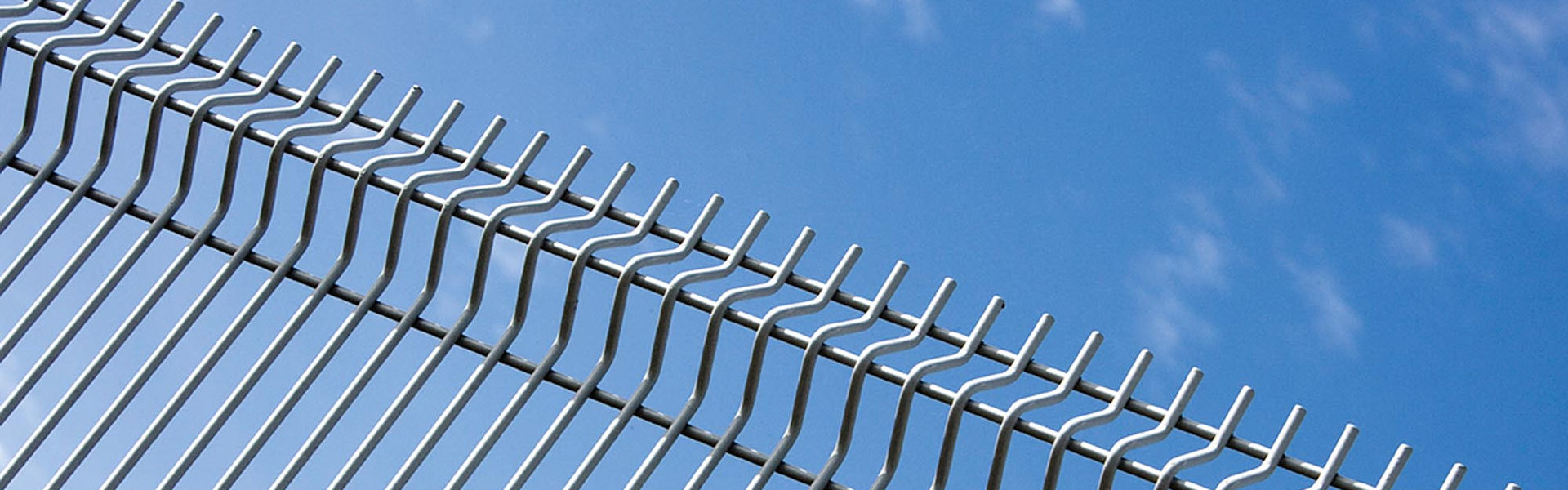
Specializing In The Production Of Gabions, Fences, Sound Barriers, Protective Barriers And Other Products
Author:
Shitai
Release Time:
Jul 10,2026
Crimped wire mesh features interlocked zig-zag wires for strength and stability, manufactured by pre-crimping and weaving various metal wires.

Crimped Wire Mesh is commonly found in many strong and stable structures. This type of mesh features wires bent into a zig-zag pattern through a pre-crimping process. The crimping locks the wires together, giving Crimped Wire Mesh the strength to handle heavy loads and resist impact. Material selection is important—using stainless steel, carbon steel, or brass can affect how Crimped Wire Mesh performs. Crimped Wire Mesh stands out because it maintains its shape, prevents wires from shifting, and withstands tough conditions, even in humid or marine environments.
Key Takeaways
Crimped Wire Mesh features a zig-zag pattern that locks wires together, providing strength and stability for heavy loads.
Choose the right material, like stainless steel for outdoor use, to ensure durability and resistance to rust and corrosion.
Different types of Crimped Wire Mesh, such as Single Crimp and Double Crimp, serve various purposes, from light-duty tasks to heavy-duty applications.
The pre-crimping process shapes wires before weaving, enhancing the mesh's strength and allowing for larger openings without losing stability.
Crimped Wire Mesh is versatile and can be used in industries like construction, agriculture, and architecture for filtering, fencing, and creative designs.
Crimped Wire Mesh Overview

Definition
You can think of Crimped Wire Mesh as a grid made from wires that have been bent into a wavy, zig-zag shape. This pattern helps the wires lock together at each crossing point. When you look at Crimped Wire Mesh, you see a strong and stable sheet that does not easily bend or break. Factories use special machines to bend the wires before weaving them together. This process gives the mesh its unique look and strength.
Tip: If you need a mesh that stays in place and does not shift, Crimped Wire Mesh is a smart choice.
Key Features
Crimped Wire Mesh stands out because of its special qualities. Here are some key features you should know:
Strength and Durability: The crimped pattern makes the mesh strong. You can use it in places where you need extra support.
Stability: The wires do not move out of place. This keeps the mesh firm and reliable.
Versatile Openings: You can choose different sizes for the openings. This lets you pick the right mesh for your project.
Material Options: You can find Crimped Wire Mesh made from stainless steel, carbon steel, or even brass. Each material works best for different jobs.
Easy to Shape and Cut: You can cut the mesh to fit your needs without losing its strength.
When you choose Crimped Wire Mesh, you get a product that is both strong and flexible for many uses.
Crimped Wire Mesh Types
When you choose Crimped Wire Mesh, you can pick from several types. Each type has a unique pattern and works best for certain jobs. Understanding these types helps you select the right mesh for your project.
Single Crimp
Single Crimp uses wires that bend only once at each crossing. You see a simple wave pattern. This type gives you a basic mesh that works well for light-duty tasks. You might use it for window guards or small animal cages.
Note: Single Crimp is easy to make and costs less than other types.
Double Crimp
Double Crimp bends each wire twice at every crossing. The wires lock together more tightly. This pattern gives you a stronger and more stable mesh. You can use Double Crimp for fencing, screens, or heavy-duty racks.
Benefits of Double Crimp:
Extra strength
Less wire movement
Good for tough jobs
Lock Crimp
Lock Crimp has a special design. The wires bend sharply before and after each crossing. This locks the wires in place. You get a mesh that does not shift or change shape, even under pressure. Lock Crimp works well for mining screens or industrial filters.
Flat Top Crimp
Flat Top Crimp gives you a smooth surface on one side. The top wires stay flat, while the bottom wires hold the crimp. This design makes it easy to clean and walk on. You often see Flat Top Crimp in flooring, walkways, or architectural panels.
Tip: Choose Flat Top Crimp when you need a smooth and safe surface.
You can match the type of Crimped Wire Mesh to your needs by looking at the crimp pattern and the job you want to do.
Crimped Wire Mesh Manufacturing

Material Selection
You start by choosing the right wire for your Crimped Wire Mesh. The material you pick affects how the mesh performs in different environments. You can select from carbon steel, stainless steel, galvanized steel, copper, or brass. Each material has its own strengths.
Stainless steel resists rust and corrosion, even in humid or salty places.The Nickel Institute explains how nickel improves the corrosion resistance and long-term durability of stainless steel used in industrial wire mesh products.
Carbon steel offers strength and works well for heavy-duty jobs.
Galvanized steel has a protective coating that helps prevent rust.
Copper and brass provide unique looks and resist certain chemicals.
When you choose high-quality materials, you get a mesh that lasts longer and needs less maintenance. You also find it easier to install and set up. The right material lets you pick from different thicknesses, sizes, and designs for your project.
Tip: If you need a mesh for outdoor or marine use, stainless steel is a smart choice because it stands up to tough weather.
Pre-Crimping Process
Next, you shape the wires before weaving them. This step is called pre-crimping. You use special machines to bend each wire into a zig-zag pattern. The machine presses the wire between grooved rollers, making sure every bend is even and strong.
This zig-zag shape helps the wires lock together when you weave them. Pre-crimping gives the mesh its unique look and adds strength. You can also create different crimp styles, like single, double, lock, or flat top, depending on what you need.
The pre-crimping process makes it possible to have larger openings in the mesh without losing strength.
Weaving and Assembly
After pre-crimping, you weave the wires together. You place the crimped wires over and under each other, forming a tight grid. The weaving process locks the wires at every crossing point. This step gives the mesh its stability and keeps the wires from shifting.
If you use Crimped Wire Mesh in laminated glass panels, you follow a careful assembly process:
You prepare the glass in a semi-molten state so it bonds well with the mesh.
You position the mesh flat and even between the glass layers.
You press the glass and mesh together under controlled pressure. This step bonds them without bending the mesh.
You add an interlayer, like polyvinyl butyral, to hold everything together and keep the panel clear.
You finish by heating and pressing the panel to complete the bond.
This careful assembly keeps the mesh strong and stable inside the panel.
Finishing
The last step is finishing. You cut the mesh to the size you need. You may trim the edges or add a protective coating. Some meshes get a layer of paint or powder to help them last longer.
Finishing makes the mesh safer to handle and improves its look. It also protects the mesh from rust and wear. You can choose different finishes based on where you plan to use the mesh.
Note: A good finish helps your mesh stay strong and look new, even after years of use.
By following these steps, you make sure your Crimped Wire Mesh is strong, stable, and ready for many uses.
Benefits
Strength and Rigidity
You can count on crimped wire mesh for its impressive strength and rigidity. The unique zig-zag pattern locks each wire in place. This design helps the mesh handle heavy loads and resist bending. Engineers use laboratory tests to check these qualities. For example, tensile strength testing measures how much force the mesh can take before breaking. Aperture verification checks if the openings stay the right size under pressure. Here is a table that shows these important tests:
You get a product that stands up to tough jobs and keeps its shape over time.
Versatility
You will find crimped wire mesh in many industries because it adapts to so many uses. You can use it for filtering, screening, or even as a safety barrier. The mesh works well in both indoor and outdoor settings. Here are some industries that rely on its versatility:
Chemical industry
Petrochemical industry
Automotive industry
Aerospace industry
Electronics industry
Food industry
Renewable energy sector
You can choose different materials, opening sizes, and crimp styles to match your project. This flexibility makes it a smart choice for many tasks.
Stability
You need stability when you build fences, screens, or panels. Crimped wire mesh gives you that stability because the wires do not shift or loosen. The pre-crimped design keeps the mesh firm, even when you cut it to size. You can trust it to stay in place and keep its shape, which means less maintenance for you. This stability helps your projects last longer and perform better.
Tip: Choose crimped wire mesh when you want a strong, stable, and flexible solution for your next project.
Applications
Industrial Uses
You will find Crimped Wire Mesh in many factories and work sites. You can use it for screening, filtering, and sorting materials. Many machines use this mesh to separate rocks, sand, or minerals. You might see it in mining, construction, or chemical plants. Workers use it to build safety barriers and machine guards. The mesh helps protect people and keeps machines running smoothly. You can also use it for drying racks or conveyor belts. Its strength and stability make it a top choice for heavy-duty jobs.
Architectural Uses
You can use Crimped Wire Mesh to create buildings that look good and work well. Many architects choose this mesh for both style and function. For example, the Dubai Expo Sustainability Pavilion used a special wall system made from mesh. Here are some ways you can use it in architecture:
Builders filled mesh walls with local beige stones to match the natural look of the area.
Designers let plants grow around and through the mesh, blending the building with the landscape.
The mesh walls included benches, so visitors could sit and enjoy the space.
The design helped the building meet green goals and look beautiful at the same time.
You can use mesh for facades, sunshades, or even art pieces. It gives you many options for creative and practical designs.
Agricultural Uses
You can use Crimped Wire Mesh on farms and in gardens. Farmers use it to build animal pens, chicken coops, and fences. The mesh keeps animals safe and stops pests from getting in. You can also use it to support climbing plants or protect crops from birds. Many people use it for compost bins or drying racks for fruits and vegetables. Its strong design means it lasts a long time, even outdoors.
Tip: Choose the right mesh size for your animals or crops to get the best results.
Crimped wire mesh stands out because of its rigid structure and secure interlocking design. You get a product that handles heavy loads, vibrations, and impacts with ease.
The mesh uses warp and weft wires with crimped intersections for extra strength.
High-quality materials and careful crimping give you corrosion resistance and long service life.
You can use it for screening, fencing, or architectural projects.
Choose the right material and crimp type to match your needs and get the best results.
FAQ
What makes crimped wire mesh different from welded wire mesh?
Crimped wire mesh uses woven wires with a zig-zag pattern. Welded wire mesh uses straight wires joined at each crossing. You get more flexibility and strength with crimped mesh, while welded mesh offers a rigid, flat surface.
Can you cut crimped wire mesh to custom sizes?
Yes, you can cut crimped wire mesh with wire cutters or shears. Always wear gloves and eye protection.
Tip: Measure twice before cutting to avoid mistakes.
Which material should you choose for outdoor use?
You should pick stainless steel or galvanized steel for outdoor projects. These materials resist rust and last longer in rain or humid weather.
How do you clean crimped wire mesh?
You can clean the mesh with a soft brush and mild soap. Rinse with water and let it dry.
For tough stains, use a non-abrasive cleaner.
Avoid harsh chemicals to protect the finish.
Get A Quote
Note: Please leave your email address, our professionals will contact you as soon as possible!
Spotlight





Official Website
Hello, What can we do for you?
*Note: Please be sure to fill in the information accurately and keep the communication unblocked. We will contact you as soon as possible


