
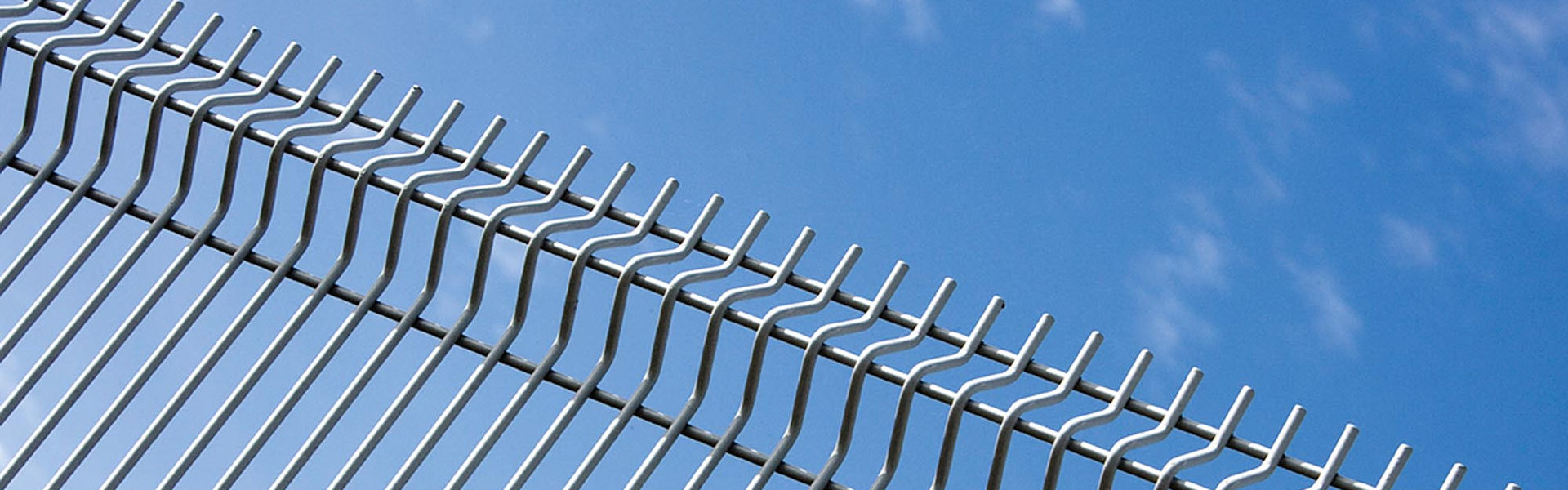
Specializing In The Production Of Gabions, Fences, Sound Barriers, Protective Barriers And Other Products
Author:
Shitai
Release Time:
Jul 10,2026
Wire mesh is a grid of metal wires used for reinforcement, safety, and filtration in construction and industry due to its strength and versatility.

You see wire mesh in many places every day. This simple grid of metal wires creates strong barriers that let light and air pass through. People use wire mesh for infill panels in railings, fencing, cabinets, and partitions. It also works well in windows and doors as a secure screen that keeps pests out while letting you see outside. Many choose wire mesh for signs and enclosures because it is both sturdy and useful.
Key Takeaways
Wire mesh is a versatile grid of metal wires used for strength and visibility in construction and industry.
Choose the right material for wire mesh based on your project needs; galvanized and stainless steel are great for outdoor use.
Woven wire mesh offers flexibility, while welded wire mesh provides strength and stability for security and reinforcement.
Using wire mesh in concrete can save time and money, making installations easier and more efficient.
Wire mesh serves many purposes, from safety barriers to decorative panels, adapting to various project requirements.
Wire Mesh Basics

What is Wire Mesh
You can think of wire mesh as a grid made from metal wires. These wires cross each other to form rows and columns with even spaces between them. You might hear people call it wire fabric, wire cloth, welded wire mesh, or hardware mesh. Manufacturers create wire mesh by weaving, interlacing, or welding wires of different thicknesses. According to ASTM International, wire mesh materials used in industrial and construction applications should comply with recognized material and manufacturing standards to ensure consistent quality and performance.This design gives you a strong, open structure that lets air and light pass through while still providing support and protection.
Tip: You will often see wire mesh used in places where you need both strength and visibility, like fences, screens, and safety barriers.
Common Materials
You will find that wire mesh comes in many different materials. Each type offers unique benefits, so you can choose the best one for your project. Here is a table that shows some of the most common materials and their features:
You can also find wire mesh made from other metals. Each material has its own strengths:
Carbon steel gives you excellent tensile strength. You can treat it to resist corrosion.
Stainless steel offers superior strength and stands up well to rust and chemicals.
Aluminum is lightweight and resists corrosion because of its natural oxide layer.
Brass provides high tensile strength and good corrosion resistance. People often use it for decorative purposes.
Bronze combines durability with high corrosion resistance, especially in marine environments.
Here is a table that compares the mechanical properties of these materials:
You can select the right wire mesh material by thinking about where you will use it and what you need it to do. For example, if you need something strong for outdoor use, galvanized or stainless steel works well. If you want a lightweight option, aluminum is a good choice.
Wire Mesh Manufacturing
Wire mesh comes from two main manufacturing methods: weaving and welding. Each method creates mesh with different properties and uses. You can choose the right type by understanding how each process works.
Weaving Process
You see woven wire mesh made by weaving metal wires together, much like fabric. This process uses special machines called looms. Here’s how the weaving process works:
Weaving Loom: The loom holds everything in place and forms the mesh pattern.
Warp Beam: This part keeps the long wires (warp wires) tight and straight.
Heddle Frames: These frames move the warp wires up and down so the cross wires (weft wires) can pass through.
Rapier Band: This tool carries the weft wire across the loom.
Reed: The reed spaces the wires evenly and packs them tightly together.
Take-Up Mechanism: This part rolls up the finished mesh for easy handling.
You find woven wire mesh in many places. Here are some common uses:
Filtration and Sieving: Factories use fine mesh to separate solids and liquids in food, chemical, and pharmaceutical industries.
Architecture and Interior Design: You see mesh in building facades, railings, ceilings, and privacy screens.
Insect Screens: Fine mesh keeps bugs out but lets air flow through windows and doors.
Laboratory Equipment: Mesh helps with testing, filtering, and analyzing particles.
Mining and Quarrying: Coarse mesh screens rocks and minerals.
Welding Process
Welded wire mesh forms when machines join wires together at each crossing point using heat and pressure. This creates a strong, rigid grid. You often see welded mesh used for concrete reinforcement, fencing, and cages.
Quality control matters in welded mesh production. Manufacturers follow strict standards to make sure the mesh is safe and reliable. Here are some of the main standards:
When you know how wire mesh is made, you can better choose the right type for your project.
Types of Wire Mesh
Woven Wire Mesh
You see woven wire mesh in many industries because it offers flexibility and strength. Manufacturers weave wires over and under each other to create a fabric-like grid. You can use woven mesh for filtration, screening, and protective barriers. The mesh allows air and light to pass through while keeping unwanted particles out. You find woven wire mesh in chemical plants, food processing, and electronics. The table below shows typical applications for woven wire mesh in construction and industry:
Note: You can select woven wire mesh when you need precise openings and flexibility for your project.
Welded Wire Mesh
Welded wire mesh gives you a strong and rigid structure. Manufacturers join wires at each crossing point using heat and pressure. You often use welded mesh for security, fencing, and concrete reinforcement. The mesh stays stable and keeps its shape even under heavy loads. Here are the main characteristics of welded wire mesh compared to woven wire mesh:
Welded wire mesh is more reliable and secure, making it suitable for private dwellings, business locations, and schools.
You get increased stability because strong welds at each intersection provide high protection against unauthorized access.
Welded mesh features strong cross points and rigid openings, making it ideal for long-term security.
Tip: Choose welded wire mesh when you need a sturdy barrier or reinforcement that will last.
Specialty Mesh Types
You can find specialty mesh types for unique needs. Expanded metal mesh uses a single sheet of metal cut and stretched to form diamond-shaped openings. You see this mesh in walkways, machine guards, and architectural panels. Crimped mesh uses wires with a wavy pattern for extra strength and grip. You might use it for heavy-duty screens or decorative panels. Plastic mesh offers lightweight and corrosion-resistant options for gardening, packaging, and temporary fencing.
Specialty mesh types help you solve specific challenges in construction and industry. You can select the right mesh based on your project’s demands.
Construction Uses

Concrete Reinforcement
You can use wire mesh to make concrete stronger and more reliable. When you place wire mesh inside concrete, it helps the concrete handle heavy loads and resist cracking. The mesh spreads out the forces, so the concrete does not break easily. You will find that using wire mesh in concrete saves money and time. It is easier to install than traditional rebar, and it often costs less. The galvanized coating on the mesh protects it from rust, so it lasts longer even in tough environments.
Here is a table that shows the main benefits of using wire mesh for concrete reinforcement:
Tip: You can use wire mesh in concrete slabs, driveways, sidewalks, and even in large building foundations.
Walls and Roofing
You will see wire mesh used in many wall and roofing systems. Builders use it to add strength and support to walls, ceilings, and roofs. The mesh holds plaster or stucco in place, so the surface stays smooth and strong. You can also use wire mesh for decorative panels or as a base for tiles. In modern buildings, wire mesh adds both style and function. It can cover the outside of a building, create interesting ceilings, or act as a sun screen.
Here is a table that shows how wire mesh fits into different wall and roofing systems:
You can choose wire mesh for walls and roofs when you want both strength and a modern appearance.
Safety and Enclosures
You can use wire mesh to keep people and property safe. It works well for fences, cages, and barriers. The mesh creates a strong wall that is hard to break or climb, so it protects homes, schools, and businesses. You can also use it to make enclosures for animals or to keep equipment secure. The open design lets you see through the barrier, so you can watch what is happening on the other side.
Use wire mesh for playground fences to keep children safe.
Install it around machines to prevent accidents.
Build animal enclosures that are sturdy and easy to clean.
Note: Wire mesh gives you a safe and visible barrier without blocking air or light.
Architectural and Retention Applications
You will find wire mesh in many architectural and retention projects. It helps shape the look of buildings and keeps rocks or soil in place on slopes. Architects use mesh for building facades, movable walls, and ceilings. The mesh can also act as a sun screen, reducing heat and glare inside a building. In retention work, you can use mesh to hold back soil or rocks, which prevents landslides and erosion.
Here is a table that lists common architectural and retention uses for wire mesh:
You can rely on wire mesh for both practical and creative solutions in construction.
Industrial and Other Applications
Filtration and Sieving
You will find wire mesh used in many filtration and sieving tasks. Factories and plants rely on it to separate solids from liquids or to sort materials by size. You see this in water treatment, chemical plants, and food processing. In mining and cement plants, workers use mesh screens to sort and size rocks or minerals.
Used for industrial filtration
Employed in sieving processes
Utilized for shielding and sifting
Applied in screening, sorting, and separation
Wire cloth is also used in the construction of sieves and frames, key components in sorting and processing within fertilizer and animal feed plants.
Machine Guards
You can use wire mesh to build strong machine guards. These guards protect you from moving parts and flying debris. Carbon steel mesh works well because it has high tensile strength and stays rigid. Many industries choose this material for safety barriers. Galvanized coatings add extra protection, making the guards last longer in tough environments.
Carbon steel wire mesh offers excellent strength and rigidity.
You can use it in many sectors for machine guarding.
Galvanized mesh resists rust and damage.
Cabinetry and Panels
You can add wire mesh to cabinets and panels for both function and style. Mesh panels let air flow through storage units, which helps keep items dry and visible. In kitchens, you might see mesh in cabinet doors or as inserts in pantry shelves. Mesh panels also work well in lockers, tool cabinets, and display cases.
Storm Drains and Inserts
You will see wire mesh used in storm drains and inserts to keep debris out of water systems. The mesh covers drain openings, stopping leaves, trash, and other objects from clogging pipes. This helps prevent flooding and keeps water flowing smoothly. You can also use mesh inserts in kitchen sinks to catch food scraps and prevent blockages.
Tip: Regular cleaning of mesh inserts keeps drains working well and reduces maintenance problems.
Benefits of Wire Mesh
Strength and Durability
You can count on wire mesh for its strength and long-lasting performance. When you use stainless steel mesh, you get excellent resistance to rust and corrosion. This makes it a smart choice for places with harsh weather or chemicals. Stainless steel mesh also stands up to high temperatures and heavy use. If you need something for tough jobs, it will not let you down. Here are some reasons why wire mesh stands out in tough environments:
Stainless steel mesh resists corrosion and lasts a long time.
It handles extreme heat and heavy loads.
Stainless Steel 347H mesh offers even better protection against certain types of corrosion.
Hot-dip galvanized mesh lasts longer than electro-galvanized mesh.
You can use wire mesh in places with harsh conditions and still expect reliable results.
Tip: Choose stainless steel mesh when you need the best durability for your project.
Cost and Labor Savings
You can save both time and money when you use wire mesh in construction. The mesh comes in large sheets or rolls, so you can cover big areas quickly. This reduces the amount of labor needed for installation. You do not have to tie or place each piece by hand, which speeds up your project. The table below shows how wire mesh compares to other reinforcement options:
Note: Even though wire mesh may need more labor than some synthetic options, it still offers accurate spacing and strong support, which can lower repair costs over time.
Versatility
You can use wire mesh in many different ways. It works well for concrete reinforcement, fencing, machine guards, and even decorative panels. You can choose from different materials, sizes, and shapes to fit your needs. The open grid design lets air and light pass through, making it useful for both safety and style. You can rely on wire mesh for projects indoors or outdoors, in homes, factories, or public spaces.
Use it for building strong walls or floors.
Add it to fences or cages for safety.
Try it in creative designs for modern buildings.
Wire mesh adapts to almost any project, giving you both function and flexibility.
You now know that wire mesh gives you strength, flexibility, and reliability for many projects. You can use it in construction, industry, and design. Many people choose wire mesh because it resists corrosion, saves money, and lasts a long time. The table below shows why wire mesh stands out:
You can trust wire mesh to deliver results for your next project.
FAQ
What is the difference between welded and woven wire mesh?
Welded wire mesh uses wires joined at each crossing point for a rigid grid. Woven wire mesh has wires woven over and under each other, making it more flexible. You can choose welded mesh for strength or woven mesh for flexibility.
Can you use wire mesh outdoors?
Yes! You can use galvanized or stainless steel wire mesh outside. These materials resist rust and weather. Always pick the right type for your climate and project.
How do you cut wire mesh safely?
You should use heavy-duty wire cutters or tin snips. Wear gloves and safety glasses to protect your hands and eyes. Cut along the grid lines for a clean edge.
Is wire mesh safe for pets and animals?
Yes, wire mesh works well for animal enclosures.
You can keep pets safe and secure.
Choose mesh with small openings to prevent escapes or injuries.
Get A Quote
Note: Please leave your email address, our professionals will contact you as soon as possible!
Spotlight





Official Website
Hello, What can we do for you?
*Note: Please be sure to fill in the information accurately and keep the communication unblocked. We will contact you as soon as possible


