
Specializing In The Production Of Gabions, Fences, Sound Barriers, Protective Barriers And Other Products
Author:
Shitai Wire Mesh
Release Time:
Jun 22,2026
Security fences protect assets and perimeters by deterring intruders, preventing theft, and defining boundaries for safer, compliant property management.

Security fences keep your property safe by keeping out people who should not be there. A fence works as a warning and also as a wall. Gates let you decide who can come in. Things like spikes or sensors make it even safer.
Stops people who are not allowed
Keeps away thieves and vandals
Makes the area safer
Security Fences: Functions and Benefits
Physical Barrier and Deterrence
Preventing Unauthorized Access
Security fences are your first protection. They block people from entering places like data centers and construction sites. They stop trespassers from getting in. You pick fences based on how risky the area is. You make sure the fence fits your needs.
Crash-rated and anti-ram fencing stops vehicles.
Fences follow international rules to keep people out.
Fences work with other security tools for better protection.
Visual Deterrence
Security fences show your property is guarded. They warn trespassers and thieves to stay away. Palisade fencing with triple pointed tops looks strong and scary. Mesh fencing is tough and lets you see through it. This helps cameras and guards spot trouble.
Tip: Good visibility lets you watch your fence and see threats early.
Asset Protection
Safeguarding Property and Equipment
Security fences keep your equipment and property safe. They protect things from being stolen or damaged. You trust fences to keep high-risk places secure.
Fences protect storage yards, warehouses, and industrial sites.
Fences stop vehicles and machines from causing accidents.
Reducing Theft and Vandalism
Security fences make it hard for criminals to get in. They slow down thieves and vandals. They make it more likely for them to get caught.
Boundary Definition
Marking Territory
Security fences show where your property starts and ends. They make boundaries clear for businesses and factories. Fences help keep your site neat and safe.
Fences stop people from entering without permission.
Palisade fencing looks strong. Mesh fencing is strong and looks good.
Enhancing Site Safety
Security fences help keep sites safe by following rules. They meet standards from groups like ARAMCO, HCSI, and the Ministry of Municipal Rural Affairs and Housing. Fences at construction sites follow city rules and make cities safer.
You pick fence types that follow safety rules.
Fences need little care and last a long time.
Note: You can learn more about fence rules and safety at OSHA's Construction Site Safety Guidelines and International Security Standards.
Types of Security Fences

Chain Link Fences
Durability and Visibility
Chain link fences are strong and easy to see through. They last a long time because they have special coatings. These coatings help stop rust and damage from rain. The open mesh lets you look through the fence. This helps people watch what is happening on both sides. Chain link fences do not block your view, so you do not get much privacy. But you can see if someone is near your property.
Here is a table that shows how strong and see-through different fences are:
Tip: Pick chain link fencing if you want a fence that is cheap, lasts in bad weather, and lets you see through it.
Common Applications
You see chain link fences at schools and sports fields. They are also used at factories and work sites. These fences show where the property line is. They help keep out people who should not be there. Some places add barbed wire or slats for more safety. Chain link fences are quick to put up and easy to take care of.
Mesh Fencing
Enhanced Security Features
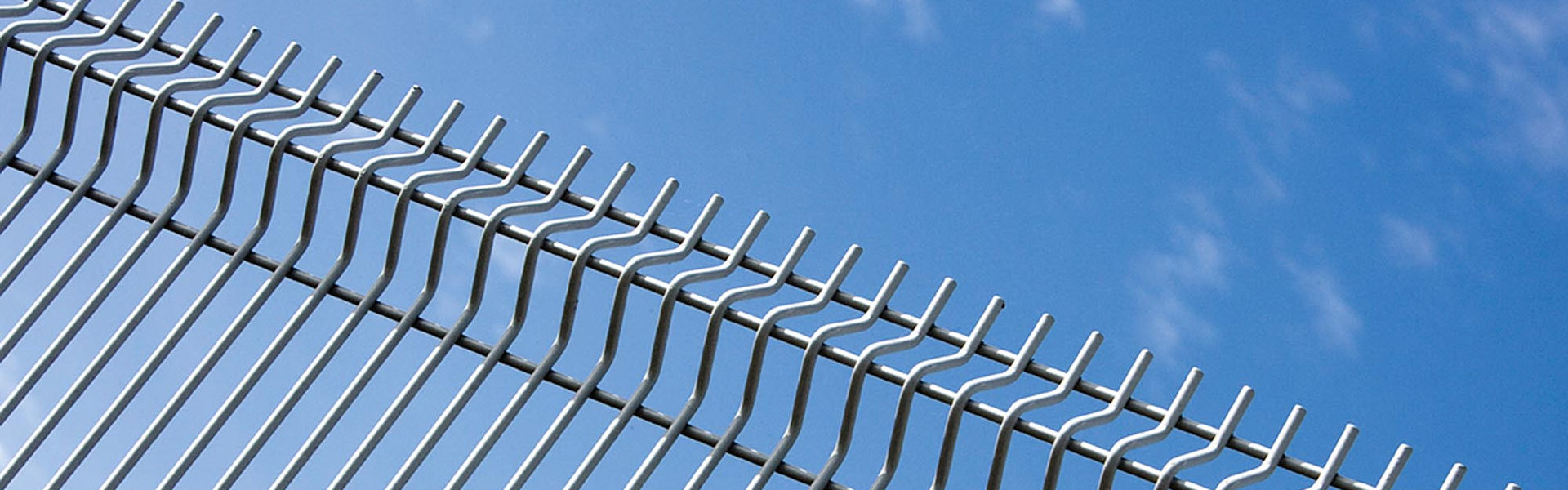
Mesh fencing gives your property extra protection. The design makes it hard to climb or cut. You can add things like spikes or razor wire to make it safer. Some people use rotator systems too. The clear mesh lets cameras watch the area better. Mesh fencing is strong and lets you see through it. That is why many people use it for high security fencing.
Customization Options
You can change mesh fencing to fit what you need. Pick the height, mesh size, and coating you want. Add things like anti-climb panels or alarm sensors for more safety. Mesh fencing works in many places, like warehouses or government buildings. It is a good choice if you want strong fencing that looks nice with modern buildings.
Palisade Fences
High-Strength Protection
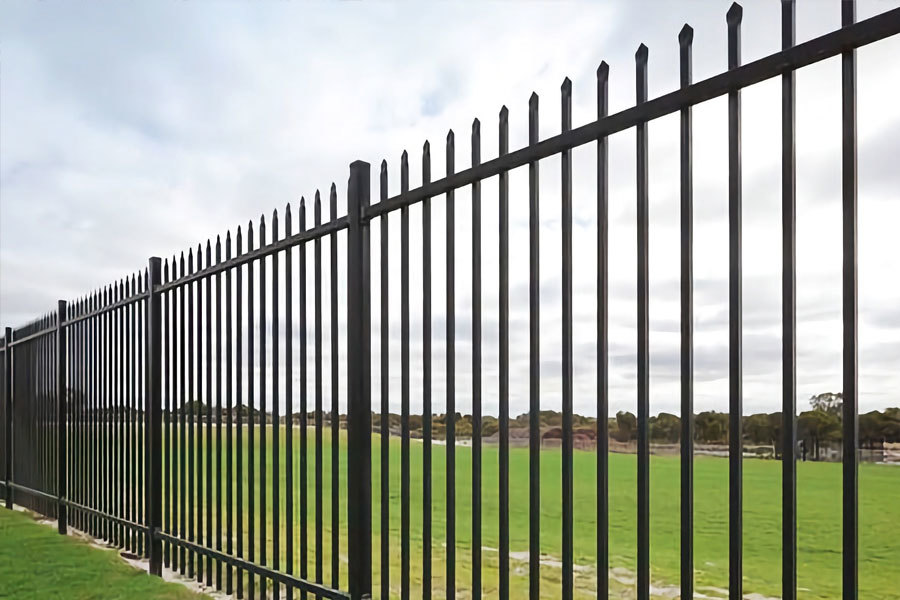
Palisade fences are made of strong steel bars. The bars go up and down. This makes the fence hard to climb or cut. Palisade fences can handle bad weather and people trying to break in. Many places use palisade fencing for high security fencing. It keeps the area safe for a long time.
Use in High-Security Areas
You find palisade fences at power plants and data centers. They are also at other important places. The fence looks tough and scares away intruders. Palisade fencing follows strict safety rules. It is great for places that need the best perimeter security.
Anti-Climb Fences
Preventing Scaling
Anti-climb fences stop people from climbing over your fence. These fences use tight mesh and curved tops. Some have spikes or other features. The design does not give places to grab or step. This makes it hard for intruders to get over. You can add anti-climb panels for more safety. Some fences use welded mesh with small holes. Others have rolled tops or sharp pickets. These things help stop people from climbing.
Tight mesh panels block fingers and tools.
Curved or angled tops make climbing harder.
Spikes or moving barriers add more safety.
Tip: Check your fence for gaps or weak spots. Fix them fast to keep your site safe.
Sensitive Site Use
Anti-climb fences are used at places that need high security fencing. Airports, military bases, and labs use these fences. You also see them at schools and sports fields. You pick anti-climb fences to protect kids or important things. These fences work well with cameras and lights. You can see trouble before it gets close. You can add alarms or sensors for more safety.
You should use anti-climb fencing as part of your high security fencing plan. This helps you follow safety rules and keep your property safe.
Crash-Rated Fences
Vehicle Intrusion Resistance
Crash-rated fences stop cars and trucks from breaking in. You need these fences where vehicles might attack. The fence uses strong steel posts and heavy panels. It can stop cars, trucks, or bigger vehicles. You pick a crash rating for the speed and size you want to stop.
Deep posts hold the fence in the ground.
Strong panels spread out the force.
Barriers can work with gates for full control.
Note: Test your crash-rated fence to make sure it works for you.
Critical Infrastructure
Crash-rated fences are used at power plants and data centers. They are also at government buildings. These places need high security fencing for people and vehicles. You also see these fences at stadiums and big events. Crash-rated fencing helps you follow safety and insurance rules. You can use these fences with bollards or barriers for more strength.
Integrated Gates
Access Control
Integrated gates let you decide who can come in. You can use keypads, card readers, or remotes. Gates work with your high security fencing to keep out unwanted people. You can set up gates for cars, trucks, or people. You choose when and how to open the gate.
Sliding gates save space.
Swing gates fit wide spaces.
Turnstiles work for people walking in.
Comprehensive Security Solutions
You get the best safety when you use gates with other security tools. Add cameras, alarms, or intercoms to your gate. You can watch and control access right away. Integrated gates help you make a strong high security fencing system. You keep your site safe and follow all safety rules.
Reminder: Train your staff to use gate controls and answer alarms.
Choosing Security Fences for Perimeter Security
Assessing Asset and Threat Level
Identifying Protection Needs
You should know what you want to protect before picking a fence. Make a list of your assets. These can be buildings, equipment, vehicles, or special materials. Decide how important each thing is. More valuable things need stronger protection. Think about who might try to get in. Ask if you want the fence for privacy, safety, or to stop theft.
Tip: Write down your assets and put them in order of importance. This helps you choose the right perimeter security.
Evaluating Risks
You need to know what dangers your property faces. Look at the area around your site. Find easy ways people could get in. Check for weak spots or places to hide. Think about past problems like theft or vandalism. Think about threats from cars, people, or animals. Use a risk check to decide how strong your fence should be.
Here is a table with important things to think about:
Site Requirements
Property Layout
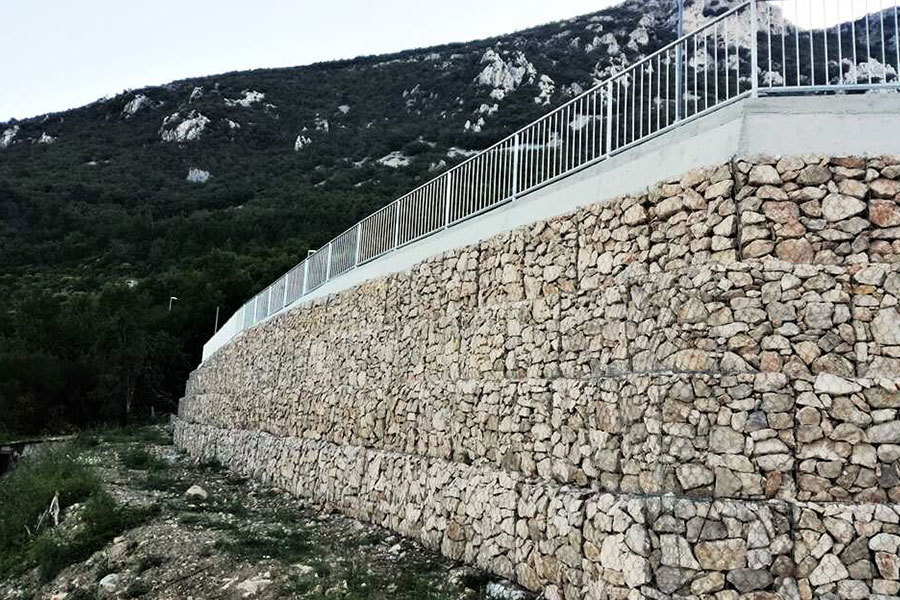
You need to look at your property’s shape and size. Find out where you need gates, corners, and entry spots. Big areas may need longer fences. Small spaces may need special designs. Gabion fences are good for marking borders. They are strong and last a long time. These fences also look nice and show where your land ends.
Gabion fences are strong and last long.
They make your site look better.
They show your property lines clearly.
Environmental Factors
You should think about the area around your site. Weather, soil, and nearby buildings matter when picking a fence. Wet places need fences that do not rust. Rocky ground needs special posts. Windy places need strong fences. Pick materials that last in your weather. Choose fences that look good and follow local rules.
Note: Check local rules before putting up a fence. This helps you avoid trouble and makes sure your fence is legal.
Matching Fence Types to Objectives
Security Needs
You need to match your fence to your security goals. If you want high-security, pick fences with anti-climb or crash features. For basic security, chain link or mesh fences work well. Welded mesh is good for places that need extra strength. Add gates and controls for more safety. Use cameras or alarms with your fence for better protection.
Maintenance Considerations
You should think about how much work your fence needs. Some fences last long with little care. Others need checks and repairs often. Chain link and welded mesh fences need little work. Wooden fences need painting and fixing. Concrete walls need almost no care. Decorative metal fences need paint to stop rust.
Here is a table with common care needs:
Reminder: Taking care of your fence keeps your security strong. You can ask fencing experts to help check and fix your fence.
You can make your site safer by picking the right fence. Fencing experts can help you choose and keep your fence in good shape.
Budget and Installation
Cost Factors
You should plan your budget before you start. The price of a fence depends on many things. Material choice matters a lot. Steel, mesh, and concrete cost more than chain link or wood. Fence height and length change the price too. Taller fences and longer fences use more materials. Security features like anti-climb panels, sensors, or cameras add to the cost.
Labor is another big factor. Skilled workers and hard jobs cost more money. Site conditions can make costs go up. Rocky ground or slopes need extra work. Local rules may need permits or special designs. Maintenance costs are important too. Some fences need checks and repairs often. Others last longer and need less care.
Tip: Write down all costs before you begin. This helps you avoid surprises and keeps your project on track.
Professional Consultation
You get better security when you work with experts. Professional fencing services help you make smart choices. They look at your site and find weak spots. They know how to design a fence that fits your needs. You get advice on the best materials and features for your property.
A good consultation covers more than just the fence. Experts check for risks and suggest ways to improve safety. They can add cameras, alarms, or access control to your plan. You get a complete solution, not just a barrier. The table below shows what you gain from working with professionals:
Professional fencing services also help with good installation. They know how to follow safety rules and local codes. You save time and avoid mistakes. You get a fence that works well and lasts longer. Experts can help you plan for upgrades or changes later.
Note: Always ask for a detailed plan and cost estimate from your fencing provider. This helps you compare options and pick the best solution for your perimeter security needs.
Perimeter Security Best Practices

Maintenance and Inspection
Routine Checks
You should check your security fence often. Walk along the fence and look for damage or rust. Check if any parts are loose. Look at gates, locks, and hinges to make sure they work. Make sure nothing blocks cameras or sensors. Write down what you see. Use a checklist so you do not forget anything.
Check the fence at least once each month.
Watch for digging or signs someone tried to get in.
Test alarms and lights every time you check.
Tip: Take pictures of any problems you find. This helps you remember repairs and see if problems happen again.
Preventive Repairs
Fix small problems before they get worse. Tighten bolts that are loose. Replace panels or posts if they are broken. Paint over any rust you see. Remove plants or trash touching the fence. Fixing things fast keeps your fence strong and your site safe.
Fix damage as soon as you find it.
Use good materials so repairs last longer.
Keep extra parts ready for quick fixes.
Upgrades and Integration
Adding Sensors and Surveillance
You can make your fence smarter with new tools. Add motion sensors, cameras, or alarms to help spot trouble early. Cameras with smart features can tell people from animals. Sensors send alerts to your phone or computer. You can watch your property from anywhere.
Enhancing Security Features
You can make your security better with new systems. Use AI to spot threats right away. Try using fingerprints or face scans for gates. Connect your fence to the Internet of Things for remote control. Cloud systems help you manage data and grow your system. Mobile apps let you get alerts and open gates from your phone.
Here is a table of popular upgrades and what they do:
Note: Upgrade your system when new threats appear. New tech helps you stay safe.
Staff Training and Monitoring
Security Protocols
Teach your staff to follow clear rules. Show them how to check the fence and use alarms. Make sure they know what to do if something is wrong. Practice what to do in emergencies. Change your rules when you add new tech.
Train staff every few months.
Give them easy guides to read.
Quiz staff with simple questions.
Site Management
Good management keeps your site safe. Assign staff to watch cameras and walk along the fence. Use logs to write down checks and repairs. Watch security videos often. Meet with your team to talk about problems and fixes.
Change jobs so staff stay alert.
Use checklists for every shift.
Tell staff to report anything strange.
Reminder: Well-trained staff and regular checks make your security fence much stronger.
Security fences help keep your things safe and show where your land is. You protect your property by picking the right fence and taking care of it. Experts say you should:
Use strong materials so your fence lasts.
Look at your site’s risks before you choose a fence.
Pick fencing that is easy to upgrade later.
Check your fence often to keep it working well.
Have professionals put in your fence.
You can make your perimeter security better with help from experts. If you want a plan made just for you, contact Anping Shitai Wire Mesh today.
FAQ
What is the best type of security fence for homes?
You should choose a fence that fits your needs. Chain link works for basic safety. Mesh or palisade fences give more protection. Add anti-climb features for extra security.
How often should I inspect my security fence?
Check your fence at least once a month. Look for damage, loose parts, or signs of tampering. Quick checks help you find problems early.
Can I add security features to an existing fence?
Yes, you can upgrade most fences. Add spikes, sensors, cameras, or alarms. These features make your fence stronger and smarter.
Do security fences need a lot of maintenance?
Most modern fences need little care. Chain link and mesh fences last long with simple checks. Wooden fences need more work, like painting and repairs.
How high should a security fence be?
For good security, pick a fence at least 6 to 8 feet tall. Taller fences stop people from climbing over easily.
Are security fences safe for pets and children?
Yes, you can choose designs that keep pets and kids safe. Use fences with small gaps and no sharp edges. Always check for hazards.
What permits do I need for installing a security fence?
You should check local rules before building. Some places need permits or have height limits. Ask your city or county office for details.
How do I choose between different fence materials?
Pick based on your budget, security needs, and how much care you want to give.
Get A Quote
Note: Please leave your email address, our professionals will contact you as soon as possible!
Spotlight





Official Website
Hello, What can we do for you?
*Note: Please be sure to fill in the information accurately and keep the communication unblocked. We will contact you as soon as possible


