
Specializing In The Production Of Gabions, Fences, Sound Barriers, Protective Barriers And Other Products
Author:
Release Time:
Feb 16,2026
Creative Applications of Weave Gabion in Industrial Safety Measures Introduction to Weave Gabion Technology Weave gabion structures have emerged as a vital component in various industrial safety measures. Traditionally utilized in civil engineering for erosion control and landscaping, their unique design offers innovative solutions to enhance safety in industrial environments. Their adaptabili
Creative Applications of Weave Gabion in Industrial Safety Measures
Introduction to Weave Gabion Technology
Weave gabion structures have emerged as a vital component in various industrial safety measures. Traditionally utilized in civil engineering for erosion control and landscaping, their unique design offers innovative solutions to enhance safety in industrial environments. Their adaptability, durability, and aesthetic appeal make them increasingly popular across various sectors.
Understanding the Structure and Design of Weave Gabions
Weave gabions are essentially wire mesh containers filled with materials such as rocks or concrete. Their design allows for flexibility in shape and size, making them suitable for numerous applications. The key characteristics that make weave gabions particularly effective include:
Durability and Longevity
Weave gabions are constructed from high-quality, corrosion-resistant wire, ensuring they can withstand harsh weather conditions and heavy impacts. This durability translates into long-term safety for industrial sites, reducing the need for frequent replacements.
Versatility in Applications
The adaptability of weave gabions means they can be used in various configurations, from retaining walls to protective barriers. This versatility allows industries to customize their safety measures based on specific needs.
Aesthetic Value
While functionality is paramount, the aesthetic appeal of weave gabions cannot be overlooked. Their natural appearance blends seamlessly into most environments, enhancing the overall landscape without compromising safety.
Key Industrial Applications of Weave Gabion for Safety
Weave gabions can be integrated into numerous industrial safety measures. Here are some of the most effective applications:
1. Retaining Walls for Erosion Control
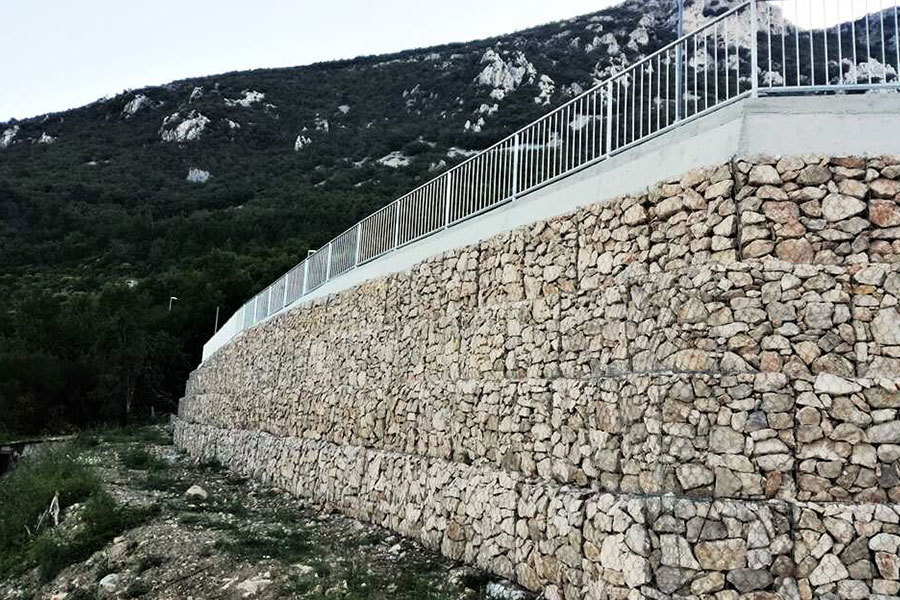
In industries where soil erosion poses significant risks, weave gabions serve as effective retaining walls. The porous nature of gabions allows for proper drainage, reducing hydrostatic pressure and minimizing the risk of wall failure.
2. Blast and Impact Protection
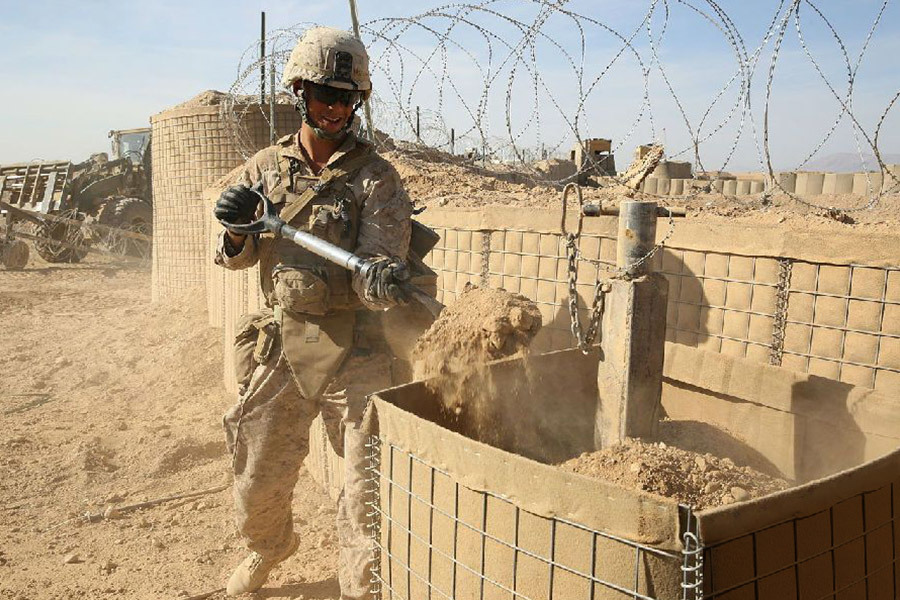
Weave gabions provide an effective solution for mitigating the effects of explosions or heavy impacts. By acting as a barrier, they absorb shockwaves, protecting personnel and sensitive equipment. This application is particularly beneficial in industries such as mining and construction.
3. Noise Barriers
In industrial settings, noise pollution can be a significant safety and health concern. Weave gabions can be utilized to create noise barriers that not only reduce sound levels but also enhance the surrounding environment.
4. Flood Control Measures
In areas prone to flooding, weave gabions can be strategically placed to redirect water flow and protect industrial infrastructure. Their ability to absorb and dissipate water energy makes them invaluable during heavy rains.
5. Wildlife Barriers
In industrial sites where wildlife encroachment is a risk, weave gabions can be employed as barriers. They help prevent animals from wandering into hazardous areas, ensuring the safety of both wildlife and industrial operations.
Implementing Weave Gabions: Best Practices
Successful implementation of weave gabions in industrial safety measures requires careful planning and execution. Here are some best practices to consider:
Site Assessment
Before installation, a thorough site assessment is essential. This includes evaluating soil conditions, environmental factors, and specific safety needs.
Material Selection
Choosing the right materials for filling weave gabions is crucial. Common options include natural stones, concrete, or recycled materials. The selected material should be durable and appropriate for the intended application.
Design Considerations
The design of weave gabion structures should take into account the specific safety requirements of the industrial environment. This includes determining the height, width, and configuration of the gabions.
Regular Maintenance
Although weave gabions are designed for longevity, regular inspections and maintenance are necessary to ensure their effectiveness. This includes checking for any signs of corrosion, damage, or shifting of the fill material.
The Environmental Benefits of Weave Gabions in Industrial Applications
Utilizing weave gabions in industrial safety measures also offers significant environmental benefits:
1. Sustainable Materials
Gabions can be filled with locally sourced materials, reducing the carbon footprint associated with transportation and resource extraction.
2. Biodiversity Enhancement
Weave gabion structures can serve as habitats for various species, promoting biodiversity in industrial areas. Their design allows plants and small animals to thrive, contributing to ecological balance.
3. Reduced Soil Erosion
By protecting soil from erosion, weave gabions help maintain healthy landscapes and prevent environmental degradation, benefiting surrounding ecosystems.
Case Studies: Successful Implementation of Weave Gabions
Several industries have successfully integrated weave gabions into their safety measures. Here are a few notable examples:
1. Mining Industry
A mining company implemented weave gabions as blast protection barriers around explosive storage areas. The gabions effectively absorbed shockwaves from detonations, ensuring worker safety and minimizing damage to surrounding structures.
2. Construction Sites
In a large-scale construction project, weave gabions were used as retaining walls to prevent soil erosion during heavy rains. This not only safeguarded the site but also reduced the risk of flooding in nearby areas.
3. Oil and Gas Industry
An oil refinery utilized weave gabions to create noise barriers around high-decibel equipment. The result was a significant reduction in noise pollution, leading to improved working conditions for employees and a better relationship with nearby communities.
Challenges and Considerations When Using Weave Gabions
While the benefits of weave gabions are significant, there are challenges to consider:
1. Initial Costs
The upfront cost of materials and installation can be higher than traditional safety measures. However, the long-term benefits often outweigh these initial investments.
2. Proper Installation
Mistakes during installation can lead to structural weaknesses. It's essential to employ experienced professionals to ensure that the gabions are installed correctly.
3. Environmental Impact
While weave gabions generally have a positive environmental impact, care must be taken to ensure that the materials used do not negatively affect the local ecosystem.
Future Trends in Weave Gabion Technology
As industries continue to evolve, the applications of weave gabions are expected to expand. Future trends may include:
1. Smart Gabion Technology
Integrating sensors into gabion structures to monitor conditions such as moisture levels and structural integrity could enhance safety measures even further.
2. Customizable Designs
Advancements in manufacturing technology may allow for more customizable and aesthetically pleasing gabion designs, aligning industrial needs with architectural desires.
3. Increased Use in Urban Environments
As urban areas face challenges such as flooding and noise pollution, the adoption of weave gabions in city planning could become more prevalent.
Conclusion
Weave gabions offer a myriad of creative applications in enhancing industrial safety measures. Their durability, versatility, and aesthetic appeal make them an ideal choice for various industries. By strategically implementing weave gabions, companies can not only improve safety but also contribute positively to the environment. As trends evolve and technology advances, the potential for innovative applications of weave gabions will continue to expand, leading us to a safer and more sustainable industrial future.
FAQs
1. What materials are typically used to fill weave gabions?
Weave gabions can be filled with various materials, including natural stones, concrete, or even recycled materials, depending on the specific application and environmental considerations.
2. How long do weave gabions last?
Weave gabions are designed for durability and can last many years, particularly when made from corrosion-resistant materials. Regular maintenance can extend their lifespan.
3. Can weave gabions be used in residential areas?
Yes, weave gabions are suitable for residential applications as well, providing both functional safety solutions and aesthetic enhancements to landscapes.
4. Are weave gabions environmentally friendly?
Weave gabions are generally considered environmentally friendly, as they can be constructed from sustainable materials and help promote biodiversity and soil conservation.
5. What are the costs associated with installing weave gabions?
The costs of weave gabion installation can vary based on factors such as material selection, site conditions, and design complexity. While initial costs may be higher than traditional safety measures, the long-term benefits often justify the investment.
Get A Quote
Note: Please leave your email address, our professionals will contact you as soon as possible!
Spotlight





Official Website
Hello, What can we do for you?
*Note: Please be sure to fill in the information accurately and keep the communication unblocked. We will contact you as soon as possible


