
Specializing In The Production Of Gabions, Fences, Sound Barriers, Protective Barriers And Other Products
Author:
Release Time:
Feb 17,2026
Integrating Woven Stone Cage into Your Safety Instrumentation In the rapidly evolving world of industrial automation, safety instrumentation plays a crucial role in ensuring the protection of both personnel and equipment. One innovative solution that has emerged is the integration of woven stone cages into safety instrumentation. This article delves deep into the advantages, implementation strateg
Integrating Woven Stone Cage into Your Safety Instrumentation
In the rapidly evolving world of industrial automation, safety instrumentation plays a crucial role in ensuring the protection of both personnel and equipment. One innovative solution that has emerged is the integration of woven stone cages into safety instrumentation. This article delves deep into the advantages, implementation strategies, and industry standards related to this integration, enabling organizations to enhance their safety measures significantly.
Understanding Woven Stone Cages
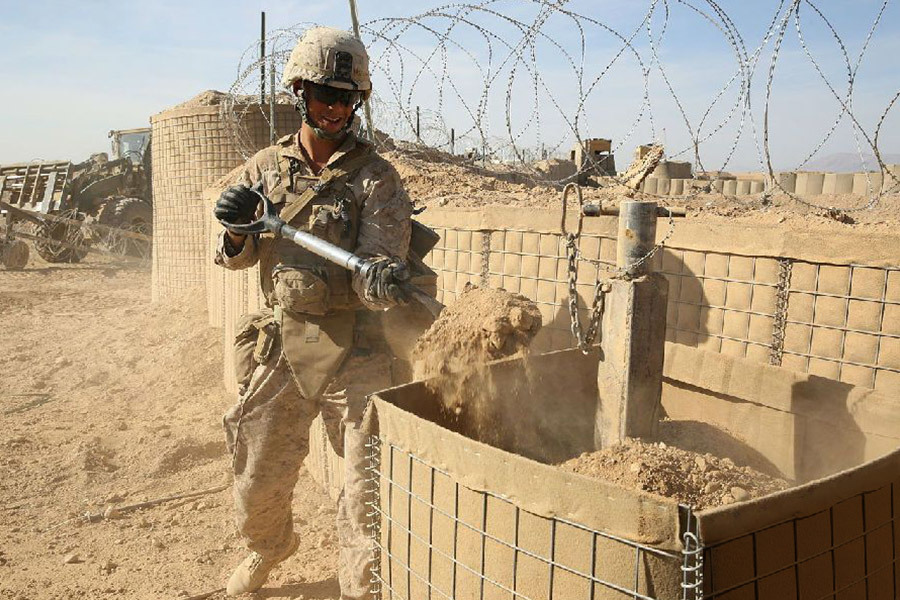
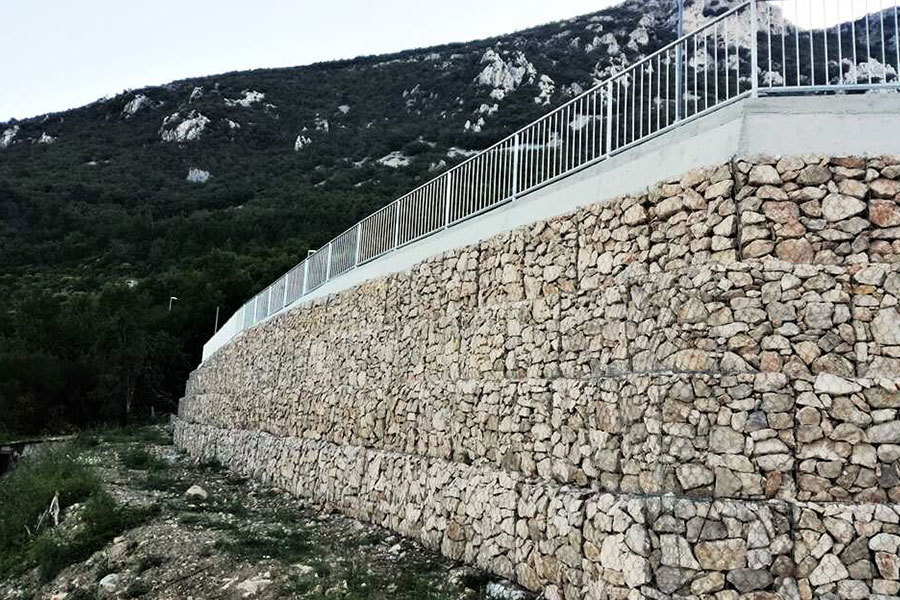
Woven stone cages, often referred to as gabion cages, are structures made from wire mesh filled with stones or other materials. They are primarily used in civil engineering but have found their way into the realm of safety instrumentation due to their durability and protective qualities.
The Composition of Woven Stone Cages
These cages typically consist of high-tensile steel wire, which is woven into a grid-like structure. The internal filling, usually stones or rock, provides a substantial mass that can absorb impacts and dissipate energy from various forces. This unique composition enables woven stone cages to serve as effective barriers in numerous industrial applications.
Benefits of Implementing Woven Stone Cages
Integrating woven stone cages into safety instrumentation comes with a plethora of advantages:
1. **Impact Resistance**: The primary benefit of woven stone cages lies in their ability to absorb and disperse energy from impacts, protecting sensitive instrumentation and personnel from potential harm.
2. **Environmental Stability**: These cages are designed to withstand harsh environmental conditions, making them suitable for various outdoor applications. Their resistance to weathering and corrosion ensures long-lasting protection.
3. **Cost-Effectiveness**: Compared to traditional safety barriers, woven stone cages offer a more economical solution. The materials used are often locally sourced, reducing transportation costs and promoting sustainability.
4. **Versatility**: Woven stone cages can be tailored for various applications, from protecting critical instrumentation in oil and gas industries to safeguarding data centers in urban environments.
How to Integrate Woven Stone Cages into Safety Instrumentation
Integrating woven stone cages into your safety instrumentation requires careful planning and execution. Below are steps to ensure a successful integration process.
1. Assessing Safety Needs
Before integration, conducting a comprehensive assessment of safety needs is vital. Identify areas of high risk and determine where woven stone cages can offer the most protection. Consider factors such as potential impact sources, environmental conditions, and the specific instrumentation to be safeguarded.
2. Designing the Cage Structure
The design of the woven stone cage is crucial for its effectiveness. Collaborate with engineers to develop a structure that meets safety standards while accommodating site-specific requirements. Key considerations include:
- **Size and Dimensions**: Determine the appropriate size based on the area to be protected.
- **Material Specifications**: Select high-tensile steel and suitable filling materials to enhance durability.
- **Load-Bearing Capacity**: Ensure the design can withstand expected forces and impacts.
3. Installation Procedures
Proper installation is vital for the effectiveness of woven stone cages. Follow these steps:
- **Site Preparation**: Clear and level the installation area to ensure stability.
- **Foundation Setup**: Depending on the design, a concrete foundation may be necessary to anchor the cages securely.
- **Assembly**: Assemble the cages according to the design specifications, ensuring all components fit correctly.
- **Filling**: Fill the cages with the chosen material, ensuring even distribution for maximum stability.
4. Regular Maintenance and Inspection
Once installed, ongoing maintenance is crucial to ensure the longevity of woven stone cages. Schedule regular inspections to:
- Check for signs of wear or corrosion on the wire mesh.
- Assess the integrity of the filling material.
- Ensure that the cages remain securely anchored.
Compliance with Industry Standards
Integrating woven stone cages into safety instrumentation must comply with industry standards to ensure safety and reliability. Key standards to consider include:
1. Occupational Safety and Health Administration (OSHA) Regulations
OSHA outlines safety standards for various industries, emphasizing the need for protective measures. Ensure that the integration of woven stone cages aligns with OSHA guidelines to maintain regulatory compliance.
2. International Organization for Standardization (ISO) Standards
ISO standards provide frameworks for quality and safety across industries. Familiarize yourself with relevant ISO guidelines to ensure that your safety instrumentation meets international quality benchmarks.
3. Local Building Codes
Adhering to local building codes is essential when integrating woven stone cages. Consult with local authorities to ensure that your installation meets all necessary regulations.
Real-World Applications of Woven Stone Cages in Safety Instrumentation
The versatility of woven stone cages allows for their application across various industries. Here are some real-world examples of their effectiveness in safety instrumentation.
1. Oil and Gas Industry
In the oil and gas sector, woven stone cages provide robust protection for instrumentation exposed to harsh conditions. They can guard against impacts from vehicles and equipment while also offering protection from environmental elements.
2. Renewable Energy Installations
Woven stone cages are increasingly used in solar and wind energy installations to protect sensitive equipment from wind impacts and debris. Their ability to blend with the natural landscape makes them an attractive and functional choice.
3. Data Centers
In urban environments, data centers are vital infrastructure that require protection against potential security threats. Integrating woven stone cages around these facilities offers an additional layer of security while maintaining aesthetic considerations.
FAQs About Integrating Woven Stone Cages into Safety Instrumentation
1. What materials are used in woven stone cages?
Woven stone cages are typically made from high-tensile steel wire mesh and filled with stones or other durable materials.
2. How much maintenance do woven stone cages require?
Regular inspections are necessary to check for wear and ensure the cages remain secure. Maintenance needs may vary based on environmental conditions.
3. Are woven stone cages cost-effective?
Yes, woven stone cages are often more cost-effective than traditional safety barriers due to the use of locally sourced materials and their durability.
4. Can woven stone cages be customized for specific applications?
Absolutely! Woven stone cages can be tailored to meet specific site requirements and safety needs, making them versatile for various industries.
5. How do woven stone cages enhance safety instrumentation?
By absorbing impacts and protecting sensitive equipment, woven stone cages significantly reduce the risk of damage and enhance overall safety in industrial applications.
Conclusion
Integrating woven stone cages into safety instrumentation represents a forward-thinking approach to industrial safety. With their impact resistance, environmental stability, and cost-effectiveness, woven stone cages serve as a reliable protective measure for various applications. By following proper implementation strategies and adhering to industry standards, organizations can significantly enhance their safety protocols, ensuring the protection of personnel and critical equipment. As industries continue to evolve, embracing innovative solutions like woven stone cages will be crucial in maintaining safety and efficiency in an increasingly automated world.
Get A Quote
Note: Please leave your email address, our professionals will contact you as soon as possible!
Spotlight





Official Website
Hello, What can we do for you?
*Note: Please be sure to fill in the information accurately and keep the communication unblocked. We will contact you as soon as possible


