
Specializing In The Production Of Gabions, Fences, Sound Barriers, Protective Barriers And Other Products
Author:
Release Time:
Feb 18,2026
Welded Stone Cages: A Key Element in Modern Automation Safety Welded stone cages stand as a testament to the intersection of industrial durability and automation safety. These robust structures have become indispensable in various sectors, particularly where automation intersects with heightened safety protocols. In this article, we will explore the intricacies of welded stone cages, their applica
Welded Stone Cages: A Key Element in Modern Automation Safety
Welded stone cages stand as a testament to the intersection of industrial durability and automation safety. These robust structures have become indispensable in various sectors, particularly where automation intersects with heightened safety protocols. In this article, we will explore the intricacies of welded stone cages, their applications, benefits, and how they significantly enhance safety in modern automation environments.
Understanding Welded Stone Cages
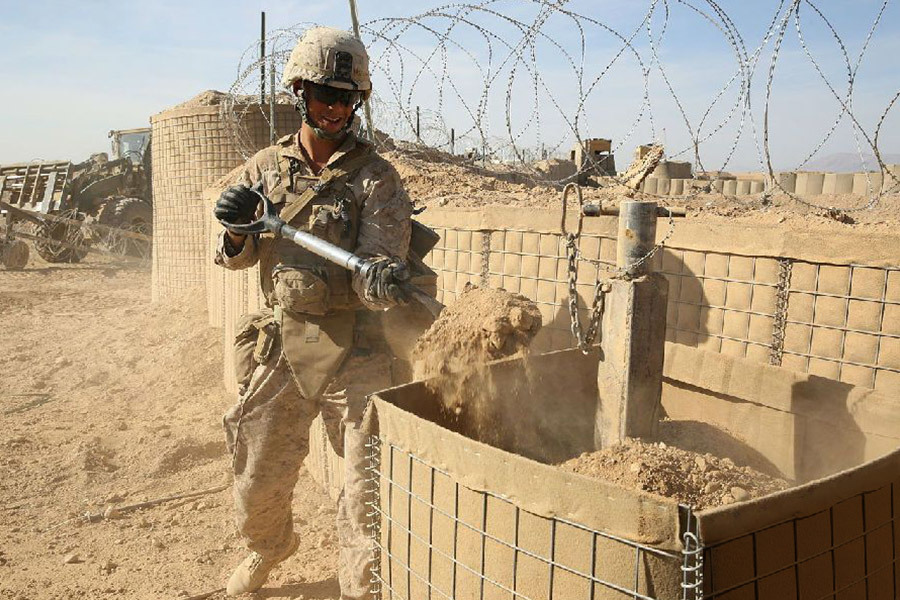
Welded stone cages, often referred to as gabion cages, are wire mesh containers filled with stones or other materials, designed to provide structural integrity and support in various applications. Their primary function revolves around creating barriers or stabilizing slopes, making them essential in construction, landscaping, and even erosion control.
The Composition of Welded Stone Cages
Welded stone cages typically comprise high-tensile steel wire that is welded at each intersection, forming a grid-like structure. This design ensures durability and strength. The cages are then filled with stones, which can vary in size and type, offering different aesthetic and functional properties.
Common Materials Used
The materials utilized in welded stone cages are critical to their performance. Common materials include:
- **Galvanized Steel**: Offers corrosion resistance and durability.
- **PVC Coated Wire**: Provides additional protection against environmental factors.
- **Natural Stones**: Used for filling, stones can range from granite to limestone, depending on the structural requirements.
Applications of Welded Stone Cages in Automation
Welded stone cages find extensive applications across different sectors, especially in automated environments. Here are some noteworthy applications:
1. Erosion Control
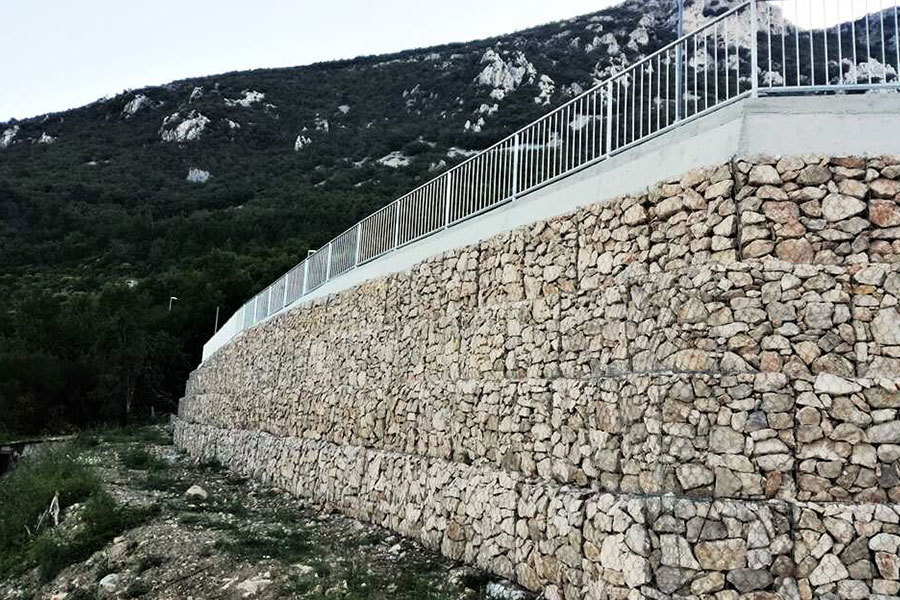
In areas prone to soil erosion, welded stone cages can be employed to stabilize soil and prevent landslides. By using these cages filled with stones, companies can create effective barriers that protect automated systems and infrastructure from potential damage caused by environmental factors.
2. Structural Support in Industrial Automation
In industrial settings, welded stone cages can be used to support heavy machinery and systems. Their strength allows them to bear significant loads, making them suitable for use in automated factories and warehouses where equipment stability is paramount.
3. Flood Control Systems
During flooding events, welded stone cages can act as barriers to redirect water flow and minimize damage to automated processes. Their strategic placement can prevent water from entering critical areas, ensuring that automated systems remain operational even in adverse conditions.
4. Sound Barriers
In urban environments, noise pollution can be a significant issue. Welded stone cages filled with stones can be utilized as sound barriers, helping to reduce noise levels in and around automated facilities.
Benefits of Using Welded Stone Cages in Automation
The advantages of incorporating welded stone cages into automated systems are numerous:
1. Enhanced Safety
One of the primary benefits is the enhanced safety they offer. By creating robust barriers and supports, welded stone cages protect both personnel and equipment from potential hazards.
2. Environmental Compatibility
Welded stone cages are environmentally friendly. The use of natural stones and recyclable materials aligns with modern sustainability goals, making them a preferred choice for eco-conscious businesses.
3. Cost-Effectiveness
While the initial investment may be significant, the long-term benefits of welded stone cages outweigh the costs. Their durability reduces the need for frequent repairs or replacements, resulting in overall savings for businesses.
4. Aesthetic Appeal
Welded stone cages can also be designed to be visually appealing. The choice of stones and the arrangement can enhance the landscape of an industrial site, contributing to a more pleasant working environment.
Installation Process of Welded Stone Cages
Understanding the installation process is crucial for maximizing the effectiveness of welded stone cages. Here's a step-by-step breakdown of how to properly install these structures:
1. Site Preparation
Before installation, it is vital to prepare the site. This includes clearing any debris, leveling the ground, and ensuring proper drainage.
2. Cage Assembly
Once the site is prepared, the welded stone cages can be assembled. This involves connecting the wire mesh using the appropriate tools and techniques to ensure structural integrity.
3. Filling the Cages
After assembly, the cages are filled with the selected stones. Care should be taken to ensure that the stones are packed tightly, maximizing the cage's effectiveness.
4. Securing the Cages
Finally, the filled cages must be anchored securely to the ground to prevent displacement during extreme weather or other environmental conditions.
Maintenance of Welded Stone Cages
To ensure longevity and effectiveness, regular maintenance of welded stone cages is essential. Here are some key maintenance tips:
1. Periodic Inspections
Routine inspections should be conducted to check for any signs of wear, damage, or displacement. Early identification of issues can prevent larger problems down the line.
2. Replacing Damaged Sections
If any section of the cage becomes damaged, it should be repaired or replaced promptly to maintain structural integrity.
3. Cleaning the Cages
Debris and vegetation should be cleared from the cages to prevent blockages and ensure they function as intended.
Future Trends in Welded Stone Cage Utilization
As technology evolves, so too does the application of welded stone cages in automation. Here are some trends to watch:
1. Integration with Smart Technologies
The incorporation of smart sensors into welded stone cages can provide real-time data on structural integrity and environmental conditions, allowing for proactive maintenance and enhanced safety protocols.
2. Customization and Design Innovations
As industries seek more personalized solutions, the demand for customized welded stone cage designs is likely to increase, enabling businesses to tailor structures to specific needs and aesthetics.
3. Sustainability Practices
With a growing focus on sustainability, the use of recycled materials and eco-friendly practices in the production of welded stone cages will likely become more prevalent.
Frequently Asked Questions (FAQs)
1. What are welded stone cages made of?
Welded stone cages are primarily made of high-tensile steel wire, which is welded at intersections, and filled with natural stones or other materials.
2. How do welded stone cages enhance safety in automation?
They provide structural support, create barriers against environmental hazards, and help prevent damage to machinery and personnel.
3. Where are welded stone cages commonly used?
These cages are frequently used in construction, erosion control, flood management, and as sound barriers in industrial environments.
4. How long do welded stone cages last?
With proper maintenance, welded stone cages can last for decades, providing durability and stability in various applications.
5. Can welded stone cages be customized?
Yes, welded stone cages can be designed and customized to meet specific structural and aesthetic requirements.
Conclusion
In conclusion, welded stone cages play a pivotal role in the safety and efficiency of modern automation systems. Their robust design, coupled with multiple applications across industries, ensures they remain integral to contemporary industrial practices. By understanding their benefits, installation processes, and maintenance needs, organizations can harness the full potential of welded stone cages to enhance operational safety and sustainability. As technology continues to advance, the future of welded stone cages seems promising, paving the way for smarter, safer, and more environmentally friendly industrial solutions.
Get A Quote
Note: Please leave your email address, our professionals will contact you as soon as possible!
Spotlight





Official Website
Hello, What can we do for you?
*Note: Please be sure to fill in the information accurately and keep the communication unblocked. We will contact you as soon as possible


