
Specializing In The Production Of Gabions, Fences, Sound Barriers, Protective Barriers And Other Products
Author:
Release Time:
Feb 23,2026
Choosing the Right Metal Fences for Your Automated Setup Table of Contents 1. Introduction 2. The Importance of Metal Fences in Automated Systems 3. Types of Metal Fences: Which Is Right for You? 3.1 Chain-Link Fences 3.2 Wrought Iron Fences 3.3 Aluminum Fences 3.4 Steel Fences 4. Essential Features to Consider
Choosing the Right Metal Fences for Your Automated Setup
Table of Contents
- 1. Introduction
- 2. The Importance of Metal Fences in Automated Systems
- 3. Types of Metal Fences: Which Is Right for You?
- 4. Essential Features to Consider
- 5. The Installation Process: Steps to Follow
- 6. Cost Considerations When Selecting Metal Fences
- 7. Case Studies: Successful Automated Setups with Metal Fences
- 8. FAQs
- 9. Conclusion
1. Introduction
In today’s world, **automation** is revolutionizing industries, and with it comes the need for **robust security measures**. Metal fences play a crucial role in safeguarding automated setups, ensuring that your operations remain secure. In this article, we will explore how to select the most suitable metal fences for your automated environment, taking into account a variety of factors including types, features, and installation processes.
2. The Importance of Metal Fences in Automated Systems
Metal fences are not just barriers; they are essential components that enhance the functionality of your automated systems. They provide **security**, deter unauthorized access, and define the operational boundaries of your setup. With the increased risk associated with automated technologies, the importance of a sturdy fence cannot be overstated.
**Key Benefits:**
- **Enhanced Security**: Reduces the likelihood of theft and vandalism.
- **Operational Efficiency**: Prevents unauthorized personnel from interfering with automated processes.
- **Regulatory Compliance**: Helps meet industry-specific safety regulations.
3. Types of Metal Fences: Which Is Right for You?
Choosing the right type of metal fence is critical to achieving your specific security and operational goals. Below, we highlight the most common types of metal fences suitable for automated setups.
3.1 Chain-Link Fences
Chain-link fences are widely used for their affordability and ease of installation. They are made of galvanized steel wire, offering durability and reliability. Chain-link fences can be customized with privacy slats and come in various heights, providing flexibility for automated environments.
3.2 Wrought Iron Fences
Wrought iron fences exude elegance and strength. They are heavy-duty and can withstand significant impact, making them ideal for high-security automated setups. Although more expensive, their aesthetic appeal and durability make them a popular choice for facilities that also prioritize design.
3.3 Aluminum Fences
Aluminum fences are lightweight yet strong, offering a rust-free alternative ideal for environments that require low maintenance. They are available in various styles and colors, allowing for customization without compromising on security.
3.4 Steel Fences
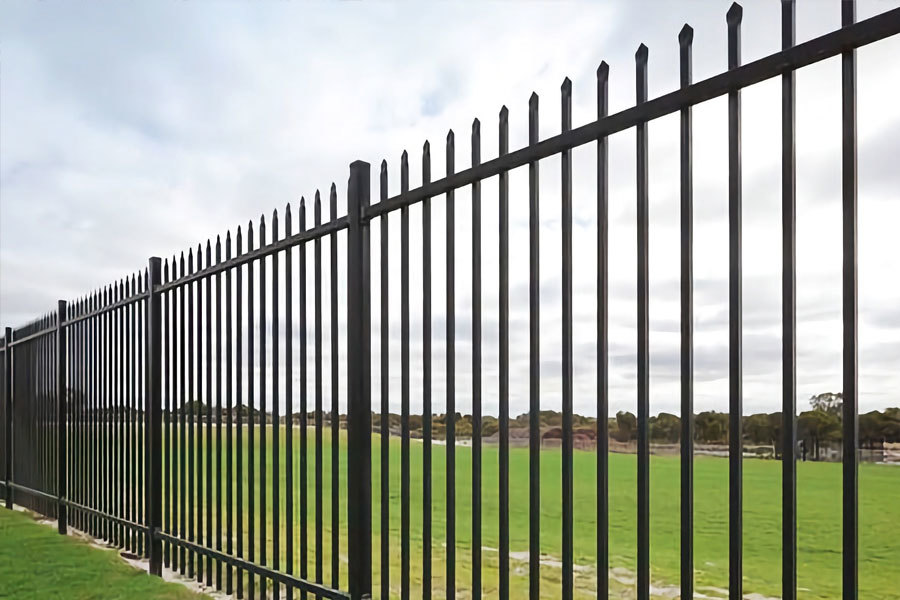
Steel fences are synonymous with durability and strength. They can be designed to meet the highest security standards, making them suitable for environments that demand maximum protection. Steel fences are often used in industrial setups where automated systems face high risks.
4. Essential Features to Consider
When choosing metal fences for your automated setup, consider the following essential features that can enhance their effectiveness.
4.1 Durability
The lifespan of your metal fence is contingent upon its material and maintenance. Opt for materials that can withstand environmental factors such as rain, wind, and extreme temperatures. Stainless steel and galvanized coatings can significantly improve durability.
4.2 Security
Consider features like anti-climb designs, barbed wire, or electrified elements that can enhance security. The higher and more robust the fence, the harder it becomes for intruders to breach your automated setup.
4.3 Maintenance
Some materials require more upkeep than others. Choose a metal fence that suits your maintenance capabilities and budget. Aluminum fences, for example, require less maintenance compared to wrought iron fences, which may need periodic painting to prevent rust.
5. The Installation Process: Steps to Follow
Installing a metal fence may seem daunting, but breaking it down into systematic steps helps streamline the process:
1. **Planning**: Define the boundaries of your automated setup. Check local regulations and obtain necessary permits.
2. **Measurements**: Accurately measure the area where the fence will be installed to determine the amount of material needed.
3. **Choosing Materials**: Select the type of metal fence that meets your requirements for strength, aesthetics, and budget.
4. **Preparation**: Clear the installation site of any debris, rocks, or existing structures that may hinder the installation process.
5. **Installation**: Follow the manufacturer’s instructions or hire professionals to ensure correct installation.
6. **Final Inspection**: Inspect the fence for any gaps or weaknesses and make necessary adjustments.
6. Cost Considerations When Selecting Metal Fences
The cost of metal fencing can vary significantly based on several factors, including:
- **Material Type**: Wrought iron typically costs more than chain-link or aluminum.
- **Height and Length**: Taller and longer fences require more material, increasing overall costs.
- **Installation**: Professional installation will add to expenses, while DIY can save money but requires time and expertise.
- **Additional Features**: Security enhancements like barbed wire or electric components can also increase costs.
Investing wisely in metal fencing can save costs in the long run by minimizing security risks and reducing maintenance expenses.
7. Case Studies: Successful Automated Setups with Metal Fences
Examining real-world examples can provide insights into how metal fences can be effectively integrated into automated setups:
- **Case Study 1: Manufacturing Plant**
A manufacturing facility implemented a steel fence around its automated production line. The robust design deterred theft and vandalism, ultimately saving the company thousands in potential losses.
- **Case Study 2: Agricultural Automation**
An automated greenhouse opted for aluminum fencing due to its lightweight nature and rust resistance. The fence not only secured the perimeter but also provided an aesthetic appeal, attracting more customers to their organic produce.
- **Case Study 3: Warehouse Security**
A distribution center chose a combination of wrought iron and chain-link fencing. The layered approach offered high security while allowing visibility for monitoring automated processes, ensuring both security and operational efficiency.
8. FAQs
What is the best material for metal fencing in an automated setup?
The best material depends on your specific needs. For high security, steel or wrought iron is ideal, while aluminum is excellent for low maintenance.
How long does a metal fence typically last?
With proper maintenance, metal fences can last anywhere from 20 to 50 years, depending on the material and environmental conditions.
Can I install a metal fence myself?
Yes, but it requires careful planning and execution. If you're unsure, consider hiring a professional for best results.
How do I maintain my metal fence?
Regular inspections for rust, cleaning debris, and applying protective coatings are key to maintaining a metal fence's longevity.
Are metal fences customizable?
Absolutely! Most metal fences can be customized in terms of height, color, and additional security features.
9. Conclusion
Choosing the right metal fence for your automated setup is a multi-faceted decision that requires careful consideration of various factors, including the type of material, essential features, installation processes, and overall costs. By investing in a quality metal fence, you not only protect your automated systems but also enhance operational efficiency. With the insights provided in this article, we hope you feel empowered to make an informed decision that best suits your unique needs. Emphasizing durability, security, and low maintenance will ensure that your automated setup remains secure and efficient for years to come.
Get A Quote
Note: Please leave your email address, our professionals will contact you as soon as possible!
Spotlight





Official Website
Hello, What can we do for you?
*Note: Please be sure to fill in the information accurately and keep the communication unblocked. We will contact you as soon as possible


