

Specializing In The Production Of Gabions, Fences, Sound Barriers, Protective Barriers And Other Products
Author:
Release Time:
Feb 25,2026
Woven Stone Cage vs. Traditional Safety Barriers: A Comprehensive Comparative Analysis Table of Contents 1. Introduction to Safety Barriers and Their Importance 2. Understanding Woven Stone Cages 3. Overview of Traditional Safety Barriers 4. Criteria for Comparison 5. Advantages of Woven Stone Cages 6. Disadvantages of Woven Stone Cages 7. Advantages of Traditional Saf
Woven Stone Cage vs. Traditional Safety Barriers: A Comprehensive Comparative Analysis
Table of Contents
- 1. Introduction to Safety Barriers and Their Importance
- 2. Understanding Woven Stone Cages
- 3. Overview of Traditional Safety Barriers
- 4. Criteria for Comparison
- 5. Advantages of Woven Stone Cages
- 6. Disadvantages of Woven Stone Cages
- 7. Advantages of Traditional Safety Barriers
- 8. Disadvantages of Traditional Safety Barriers
- 9. Case Studies and Real-World Applications
- 10. Frequently Asked Questions
- 11. Conclusion
1. Introduction to Safety Barriers and Their Importance
Safety barriers play a crucial role in ensuring safe environments across various industries. Whether used in construction, mining, or civil engineering, barriers protect personnel and equipment from hazards. In this analysis, we will delve into two popular types of safety barriers: **woven stone cages** and **traditional safety barriers**. Understanding their strengths and weaknesses is essential for making informed decisions when it comes to workplace safety.
2. Understanding Woven Stone Cages
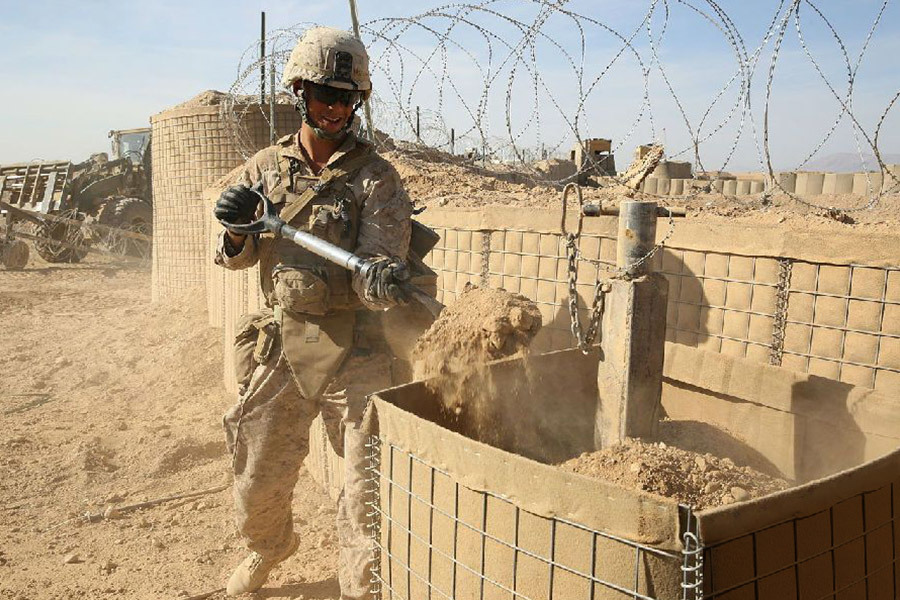
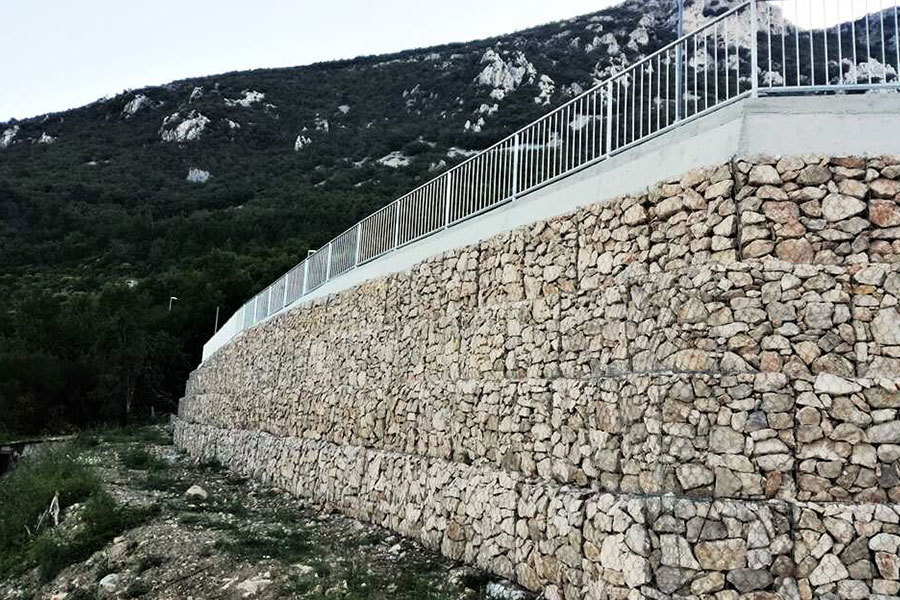
Woven stone cages, often referred to as **gabions**, consist of wire mesh baskets filled with stones. Originally used for erosion control and landscaping, they have found extensive applications in civil engineering and construction. Their design allows for permeability, making them an effective choice for stabilizing slopes and controlling water runoff.
2.1. Design and Structure of Woven Stone Cages
Woven stone cages feature a grid-like structure made from galvanized steel wire or PVC-coated wire. The baskets are filled with durable stones, which provide weight and stability. The flexibility of the design allows them to conform to various terrains, making them suitable for diverse applications.
2.2. Applications of Woven Stone Cages
In recent years, woven stone cages have gained popularity as safety barriers, particularly in locations prone to landslides and erosion. They are also employed in flood control, serving as both protective barriers and aesthetic landscaping features.
3. Overview of Traditional Safety Barriers
Traditional safety barriers encompass a variety of materials and designs, including concrete walls, metal railings, and plastic barriers. These structures are widely used to protect against vehicular traffic, define boundaries, and create safe work zones.
3.1. Types of Traditional Safety Barriers
Traditional safety barriers can be classified into several categories, such as:
- **Concrete Barriers**: Often used on highways to separate lanes and prevent vehicles from crossing into oncoming traffic.
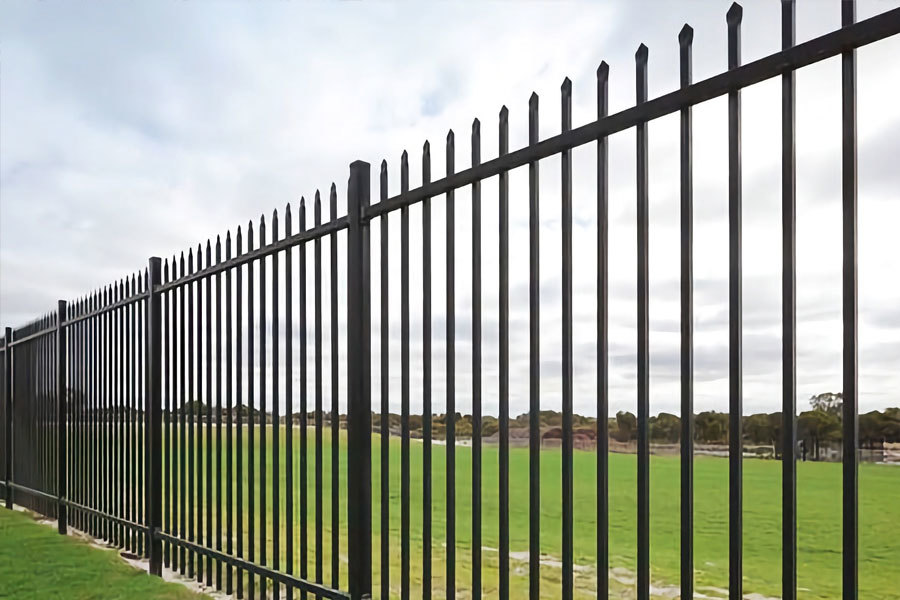
- **Metal Railings**: Commonly employed in pedestrian areas to prevent falls from heights.
- **Plastic Barriers**: Lightweight and portable, ideal for temporary applications like construction sites.
3.2. Applications of Traditional Safety Barriers
These barriers are utilized in a multitude of environments, including construction sites, roadways, and public spaces. Their primary function is to ensure safety and prevent accidents.
4. Criteria for Comparison
When comparing woven stone cages and traditional safety barriers, several criteria will guide our analysis:
- **Effectiveness in Hazard Prevention**
- **Cost-Effectiveness**
- **Durability and Maintenance**
- **Aesthetic Appeal**
- **Environmental Impact**
5. Advantages of Woven Stone Cages
Woven stone cages offer several advantages that make them an appealing choice for many projects.
5.1. Natural Aesthetics
One of the most significant benefits of woven stone cages is their natural appearance. They blend seamlessly into the landscape, making them ideal for use in parks and scenic areas.
5.2. Environmentally Friendly
Woven stone cages promote natural drainage, which helps reduce erosion and supports local ecosystems. Their use can be a sustainable solution for managing water runoff.
5.3. Flexibility and Adaptability
The design of woven stone cages allows them to be constructed in various shapes and sizes, enabling them to adapt to different terrains and project requirements.
5.4. Cost-Effectiveness
In many cases, woven stone cages can be more cost-effective than traditional safety barriers, particularly when factoring in long-term maintenance and replacement costs.
6. Disadvantages of Woven Stone Cages
Despite their numerous advantages, woven stone cages also have some disadvantages.
6.1. Installation Time
Installing woven stone cages can be time-consuming due to the need for precise filling and positioning. This may not be ideal for projects requiring rapid deployment.
6.2. Limited Height
Woven stone cages have height limitations compared to solid barriers, which may restrict their application in certain scenarios.
6.3. Vulnerability to Vandalism
The stones used in woven stone cages can be prone to theft or vandalism if placed in accessible areas, potentially compromising their effectiveness.
7. Advantages of Traditional Safety Barriers
Traditional safety barriers possess several advantages that make them widely used across various sectors.
7.1. Immediate Effectiveness
Traditional barriers such as concrete walls provide an immediate physical deterrent against hazards and are effective in high-traffic areas.
7.2. Robustness and Longevity
Constructed from durable materials, traditional barriers offer a high level of strength and can withstand harsh weather conditions over extended periods.
7.3. Versatility in Use
Traditional barriers can be employed in numerous applications, from road safety to construction site demarcation.
8. Disadvantages of Traditional Safety Barriers
Though traditional safety barriers have their strengths, they also come with drawbacks.
8.1. Aesthetic Concerns
Many traditional barriers, especially concrete, lack aesthetic appeal and can detract from the surrounding environment.
8.2. Environmental Impact
The production of concrete and metal barriers can have a significant environmental footprint, from resource extraction to manufacturing emissions.
8.3. Maintenance Challenges
Traditional barriers may require regular maintenance to prevent deterioration, especially in harsh conditions.
9. Case Studies and Real-World Applications
Examining real-world examples can provide insight into the effectiveness of woven stone cages versus traditional safety barriers.
9.1. Woven Stone Cages in Flood Control
In regions with significant flood risks, woven stone cages have been utilized effectively to manage water runoff, preventing erosion and protecting infrastructure.
9.2. Traditional Barriers in Urban Settings
Urban environments often rely on traditional barriers to ensure pedestrian safety near busy roadways, showcasing their immediate effectiveness.
10. Frequently Asked Questions
10.1. Are woven stone cages more cost-effective than traditional barriers?
Yes, in many cases, woven stone cages can be more cost-effective, especially when considering long-term maintenance and environmental impact.
10.2. Can woven stone cages withstand extreme weather conditions?
Yes, woven stone cages are designed to handle various weather conditions, though their effectiveness may depend on the specific materials used.
10.3. How long do woven stone cages last?
With proper installation and maintenance, woven stone cages can last for several decades.
10.4. Do traditional barriers require much maintenance?
Traditional barriers may require more frequent maintenance, especially if they are exposed to harsh weather or high traffic.
10.5. Are woven stone cages suitable for urban environments?
Yes, woven stone cages can be effectively used in urban settings, particularly in parks and scenic areas where aesthetics are important.
11. Conclusion
In conclusion, both **woven stone cages** and **traditional safety barriers** have unique strengths and weaknesses that cater to different safety needs. Woven stone cages offer a sustainable, aesthetically pleasing solution that integrates well with the environment, while traditional barriers provide robust protection and immediate effectiveness. The choice between these two options ultimately depends on specific project requirements, environmental considerations, and the desired balance between functionality and aesthetics. Understanding the comparative advantages and disadvantages of each type is essential for making informed decisions in safety barrier solutions.
Get A Quote
Note: Please leave your email address, our professionals will contact you as soon as possible!
Spotlight





Official Website
Hello, What can we do for you?
*Note: Please be sure to fill in the information accurately and keep the communication unblocked. We will contact you as soon as possible


