

Specializing In The Production Of Gabions, Fences, Sound Barriers, Protective Barriers And Other Products
Author:
Release Time:
Feb 27,2026
Transforming Security Standards with Heavy Duty Defense Barriers Table of Contents Introduction to Heavy Duty Defense Barriers The Importance of Security Barriers in Modern Safety Protocols Types of Heavy Duty Defense Barriers Concrete Barriers Bollards Fencing Solutions Applications of Heavy Duty Defense Barriers Military a
Transforming Security Standards with Heavy Duty Defense Barriers
Table of Contents
- Introduction to Heavy Duty Defense Barriers
- The Importance of Security Barriers in Modern Safety Protocols
- Types of Heavy Duty Defense Barriers
- Applications of Heavy Duty Defense Barriers
- Benefits of Heavy Duty Defense Barriers
- Choosing the Right Heavy Duty Defense Barrier
- Maintenance and Sustainability Considerations
- The Future of Heavy Duty Defense Barriers
- FAQs about Heavy Duty Defense Barriers
- Conclusion
Introduction to Heavy Duty Defense Barriers
In a world where security risks are increasingly complex, **heavy-duty defense barriers** emerge as a vital component in safeguarding property and lives. These robust barriers are designed to withstand significant impacts and deter unauthorized access, thereby implementing an essential layer of protection for various facilities. As we navigate through the intricacies of modern security protocols, understanding the transformative role of these barriers is paramount.
The Importance of Security Barriers in Modern Safety Protocols
The necessity for advanced **security measures** cannot be overstated. Heavy-duty defense barriers play a crucial role in protecting sensitive areas from potential threats, including vehicular attacks, unauthorized entry, and vandalism. By integrating such barriers into existing security frameworks, organizations can enhance their **overall safety posture** and foster a secure environment for employees, clients, and assets.
Types of Heavy Duty Defense Barriers
Understanding the different types of heavy-duty defense barriers available is essential for selecting the most appropriate solution for specific security needs. Below are some of the most commonly used types:
Concrete Barriers
Concrete barriers are perhaps the most recognizable form of heavy-duty defense structures. Designed for maximum durability, these barriers provide substantial resistance against vehicular impacts. Often used in road construction and public events, concrete barriers can be deployed quickly and easily, making them a popular choice for temporary and permanent installations.
Bollards
Bollards are vertical posts designed to control traffic and prevent unauthorized vehicle access. These barriers can be made from various materials, including steel, concrete, and plastic, and come in various designs, from decorative to highly functional. They are commonly used in urban environments, ensuring pedestrian safety while maintaining aesthetic appeal.
Fencing Solutions
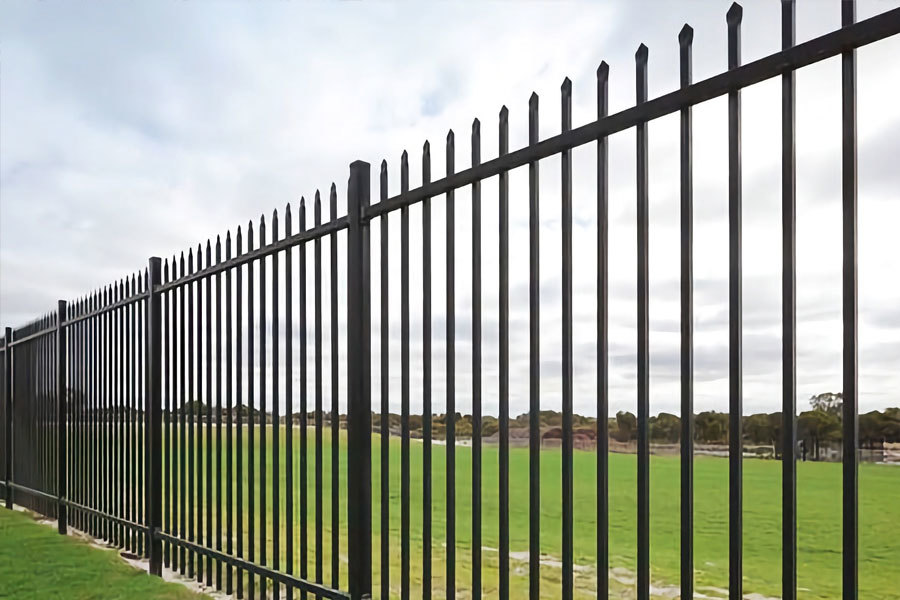
Heavy-duty fencing solutions provide a versatile option for securing vast perimeters. Constructed from reinforced materials, these fences can deter trespassers while allowing visibility into secured areas. They are commonly used in industrial sites, military installations, and utility facilities where access control is critical.
Applications of Heavy Duty Defense Barriers
The versatility of heavy-duty defense barriers allows them to serve various applications across multiple sectors. Below, we explore some of the primary areas where these barriers are effectively utilized.
Military and Government Facilities
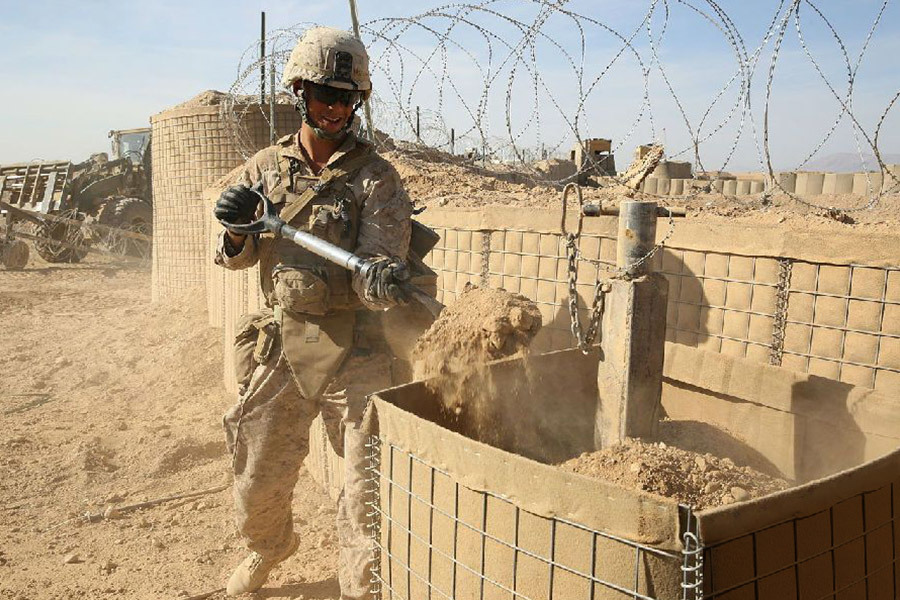
Heavy-duty defense barriers are a staple in military and government facilities. Their primary purpose is to protect sensitive areas from unauthorized access and potential attacks. These barriers are strategically positioned to safeguard entrances, perimeters, and critical infrastructure, ensuring that national security remains uncompromised.
Commercial Properties
In the commercial sector, businesses utilize heavy-duty defense barriers to protect against theft, vandalism, and vehicle intrusion. Shopping malls, office buildings, and warehouses often implement security barriers as part of their comprehensive security strategies, safeguarding both personnel and inventory.
Transportation Infrastructure
Transportation hubs, including airports, bus stations, and railways, require stringent security measures to protect travelers and assets. Heavy-duty defense barriers form an integral part of these facilities' security architecture, preventing unauthorized access and ensuring the safe passage of passengers.
Benefits of Heavy Duty Defense Barriers
The installation of heavy-duty defense barriers offers multiple benefits that extend beyond mere physical security. These advantages include:
1. **Deterrence of Unauthorized Access**: The mere presence of robust barriers can act as a psychological deterrent against potential intruders.
2. **Enhanced Safety**: By preventing unauthorized vehicle access, barriers significantly contribute to pedestrian safety in high-traffic areas.
3. **Versatility**: Heavy-duty barriers can be customized to meet specific security needs, ensuring that organizations can tailor their defenses to their unique requirements.
4. **Cost-Effectiveness**: Investing in quality defense barriers can lead to a reduction in insurance premiums and potential losses caused by theft or damage.
5. **Aesthetic Options**: Many modern defense barriers are designed to blend seamlessly into their surroundings, allowing for enhanced security without compromising visual appeal.
Choosing the Right Heavy Duty Defense Barrier
Selecting the appropriate heavy-duty defense barrier requires careful consideration of several factors:
- **Threat Assessment**: Conduct a thorough threat assessment to identify potential risks and determine the level of protection needed.
- **Location**: Evaluate the physical location where the barrier will be installed, considering environmental factors and aesthetic requirements.
- **Regulatory Compliance**: Ensure that the chosen barrier complies with local laws and regulations, particularly in sensitive areas like government buildings or airports.
- **Budget**: Establish a budget for the installation of barriers, factoring in not just the initial cost but also long-term maintenance and durability.
Maintenance and Sustainability Considerations
While heavy-duty defense barriers are designed for resilience, regular maintenance is crucial to ensure their longevity and effectiveness. Routine inspections should be conducted to identify wear and tear, ensuring that any issues are promptly addressed. Furthermore, selecting eco-friendly materials and sustainable practices during installation can contribute positively to the environment and align with corporate social responsibility goals.
The Future of Heavy Duty Defense Barriers
As security threats evolve, so too must the solutions designed to combat them. The future of heavy-duty defense barriers will likely include advancements in technology, such as:
- **Smart Barriers**: Integration of sensors and smart technology to provide real-time monitoring and alerts regarding breaches or impacts.
- **Modular Designs**: Development of modular barrier solutions that can be easily adapted or reconfigured based on changing security needs.
- **Sustainable Materials**: A focus on environmentally friendly materials that maintain strength while reducing ecological impact.
FAQs about Heavy Duty Defense Barriers
1. What are heavy-duty defense barriers made of?
Heavy-duty defense barriers can be constructed from various materials, including reinforced concrete, steel, and composite materials, each chosen for its durability and strength.
2. How effective are concrete barriers against vehicle impacts?
Concrete barriers are highly effective at absorbing and deflecting vehicle impacts, significantly reducing the chances of unauthorized access to secured areas.
3. Can heavy-duty barriers be customized?
Yes, many manufacturers offer customization options to meet specific security needs, including size, shape, and material preferences.
4. What maintenance is required for defense barriers?
Regular inspections to check for damage, wear, or environmental effects are necessary, along with necessary repairs to maintain the barrier's integrity.
5. Are there aesthetic options for heavy-duty barriers?
Absolutely! Many modern barriers are designed with aesthetics in mind, providing options that blend seamlessly into the environment while offering robust security.
Conclusion
Heavy-duty defense barriers are revolutionizing security standards across multiple sectors. With their ability to deter unauthorized access and enhance safety, these robust structures are becoming indispensable in modern security strategies. By understanding the various types, applications, and benefits of these barriers, organizations can make informed decisions that align with their security needs. As we look to the future, the integration of technology and sustainable practices will further enhance the effectiveness of heavy-duty defense barriers, ensuring they remain a vital component of security infrastructure.
Get A Quote
Note: Please leave your email address, our professionals will contact you as soon as possible!
Spotlight






Official Website
Hello, What can we do for you?
*Note: Please be sure to fill in the information accurately and keep the communication unblocked. We will contact you as soon as possible


