
Specializing In The Production Of Gabions, Fences, Sound Barriers, Protective Barriers And Other Products
Author:
Release Time:
Mar 03,2026
Maximizing Security in Instrumentation with Metal Fences Introduction: The Crucial Role of Security in Instrumentation In today's rapidly evolving technological landscape, security remains a paramount concern for industries utilizing instrumentation and automation systems. With increased reliance on automated processes, protecting sensitive equipment and data from unauthorized access is essent
Maximizing Security in Instrumentation with Metal Fences
Introduction: The Crucial Role of Security in Instrumentation
In today's rapidly evolving technological landscape, security remains a paramount concern for industries utilizing instrumentation and automation systems. With increased reliance on automated processes, protecting sensitive equipment and data from unauthorized access is essential. Metal fences serve as a formidable line of defense, ensuring that only authorized personnel have access to critical areas. By exploring various aspects of metal fencing, we can better understand how to maximize security in instrumentation.
Understanding the Importance of Metal Fences in Industrial Security
Metal fences play a vital role in maintaining the integrity of instrumentation systems. They provide numerous benefits that contribute to overall security, including:
1. Physical Barrier Against Unauthorized Access
The primary purpose of metal fences is to act as a physical barrier. They deter intruders from accessing sensitive areas, reducing the risk of theft, vandalism, or sabotage. Additionally, high-security metal fences can withstand significant force, making them difficult to breach.
2. Enhanced Visibility and Surveillance
Metal fences can improve visibility around the premises, allowing security personnel to monitor activities effectively. Many modern fencing solutions are designed to incorporate surveillance technology, such as cameras and motion sensors, enhancing the overall security infrastructure.
3. Deterrence of Trespassing and Criminal Activity
The mere presence of a robust metal fence can deter potential intruders. A well-designed security fence signals to would-be trespassers that the area is protected and that illegal activity is likely to be detected and prosecuted.
Types of Metal Fences for Instrumentation Security
Choosing the right type of metal fence is crucial for maximizing security. Various options cater to different needs and environments:
1. Chain Link Fencing
Chain link fences are an economical and versatile option for securing expansive areas. While they may not offer the highest level of security, they can be enhanced with barbed wire or slats for added protection.
2. Welded Wire Fencing
Welded wire fences consist of horizontal and vertical wires that are welded together to form a rigid structure. This type of fencing is more secure than chain link and is ideal for sites requiring enhanced protection.
3. Panel Fencing
Panel fencing is a popular choice for industrial facilities, offering a clean appearance and high security. Panels are available in various heights and can be customized with features like anti-climb toppings.
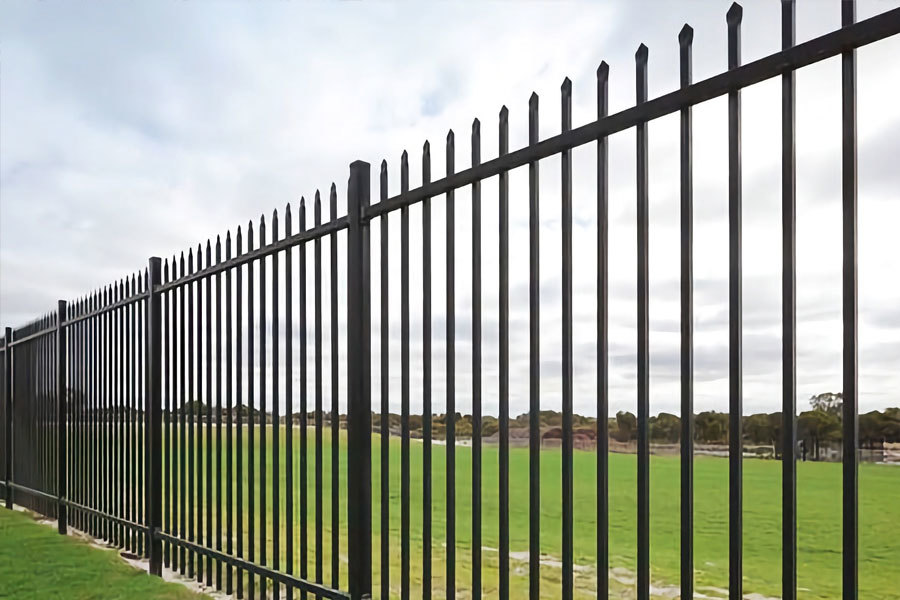
4. Palisade Fencing
Palisade fences are known for their strength and durability. Made from vertical steel pales, these fences are effective against both intrusion and vandalism while providing a clear view of the protected area.
5. Acoustic Fencing
In environments where noise reduction is necessary, acoustic fencing can serve dual purposes. It provides security while also minimizing sound pollution from machinery, enhancing the work environment.
Best Practices for Implementing Metal Fences in Instrumentation Security
When integrating metal fences into your security strategy, consider the following best practices:
1. Conduct a Security Assessment
Before installation, perform a comprehensive security assessment. Identify vulnerable areas and determine the type of fencing that will best meet your needs.
2. Choose the Right Height and Design
Select a fence height that is appropriate for your security requirements. Additionally, consider designs that include anti-climb features, such as barbed wire or spikes.
3. Incorporate Access Control Systems
Pair metal fences with access control systems, such as electronic gates, keycard entry, or biometric scanners. These systems ensure that only authorized personnel can enter restricted areas.
4. Regularly Inspect and Maintain Fencing
Establish a routine maintenance schedule to inspect the integrity of your fencing. Address any wear and tear promptly to prevent security breaches.
5. Train Staff on Security Protocols
Educate employees about security protocols and the importance of protecting instrumentation areas. Encourage them to report any suspicious activity immediately.
Case Studies: Successful Implementation of Metal Fences in Instrumentation Security
To understand the real-world impact of metal fences, let’s explore a few case studies highlighting successful implementations.
1. Case Study: Chemical Manufacturing Plant
A chemical manufacturing facility faced challenges with unauthorized access, leading to safety hazards and material theft. The implementation of a high-security welded wire fence, coupled with a surveillance system, resulted in a significant drop in incidents. The facility now enjoys peace of mind knowing that the perimeter is secure.
2. Case Study: Power Generation Facility
A power generation facility opted for palisade fencing to secure its sensitive areas. The robust design prevented intrusions and provided visibility for security personnel. Additionally, access control systems were integrated at key entry points, further enhancing security measures.
3. Case Study: Water Treatment Plant
A water treatment plant implemented an acoustic fencing solution to minimize noise while protecting its perimeter. This dual-purpose approach ensured that security was maintained without compromising the working environment for employees.
Technological Advancements in Metal Fencing
The evolution of technology has enhanced the effectiveness of metal fencing solutions. Here are some advancements:
1. Smart Fencing Solutions
Smart fencing incorporates sensors and IoT technology to monitor perimeters continuously. These intelligent systems can alert security personnel to potential breaches in real time.
2. Integration with Surveillance Systems
Modern metal fences can be integrated with advanced surveillance systems, including CCTV and motion detectors, creating a cohesive security network that can be managed from a central location.
3. Automated Access Control
Automated gates equipped with advanced access control systems allow for efficient entry and exit while enhancing security. These systems can be programmed to recognize authorized personnel through biometric scanning or RFID technology.
Cost Considerations for Metal Fencing Solutions
While investing in metal fencing is crucial for security, it is essential to consider the associated costs. Factors influencing pricing include:
1. Material Costs
Different materials have varying costs. For example, palisade fencing tends to be more expensive than chain link due to its strength and durability.
2. Installation Expenses
Installation costs vary based on the complexity of the project and the required groundwork. Hiring experienced professionals can ensure proper installation, which is vital for security.
3. Maintenance and Upkeep
Consider ongoing maintenance costs when budgeting for fencing solutions. Regular inspections and repairs are necessary to maintain the integrity of the fence.
FAQs About Metal Fences in Instrumentation Security
1. What are the primary benefits of using metal fences for security?
Metal fences provide a physical barrier against unauthorized access, enhance visibility for surveillance, and deter criminal activity.
2. How do I choose the right type of metal fence for my needs?
Consider factors such as the level of security required, environmental conditions, and aesthetic preferences when selecting a metal fence.
3. Can metal fences be combined with other security measures?
Yes, metal fences can be integrated with access control systems, surveillance cameras, and alarm systems for enhanced security.
4. How often should I inspect and maintain my metal fence?
Regular inspections are recommended at least once a month, with a more thorough check conducted at least biannually.
5. Are there environmental considerations when installing metal fences?
Yes, consider the potential impact on local wildlife and plant life. Opt for designs that minimize disruption to the natural habitat.
Conclusion: Ensuring Maximum Security Through Metal Fences
Maximizing security in instrumentation and automation settings is paramount for protecting sensitive equipment and data. Metal fences serve as a robust line of defense against unauthorized access while incorporating modern technology can further enhance their effectiveness. By understanding the various types of fences, best practices for implementation, and the latest advancements, industries can create a secure environment that safeguards their operations. Investing in metal fencing solutions not only protects assets but also ensures a safer workplace for all employees. As we move forward, embracing these security measures will be essential in navigating the complexities of modern industrial environments.
Get A Quote
Note: Please leave your email address, our professionals will contact you as soon as possible!
Spotlight





Official Website
Hello, What can we do for you?
*Note: Please be sure to fill in the information accurately and keep the communication unblocked. We will contact you as soon as possible


