
Specializing In The Production Of Gabions, Fences, Sound Barriers, Protective Barriers And Other Products
Author:
Release Time:
Mar 07,2026
Heavy Duty Defense Barriers: A Comprehensive Guide to Optimal Protection In today's rapidly evolving world, the need for robust security solutions has never been more pressing. Heavy duty defense barriers serve as a critical line of defense against various threats, whether they stem from natural disasters, unauthorized access, or malicious attacks. This comprehensive guide will delve into the prof
Heavy Duty Defense Barriers: A Comprehensive Guide to Optimal Protection
In today's rapidly evolving world, the need for robust security solutions has never been more pressing. Heavy duty defense barriers serve as a critical line of defense against various threats, whether they stem from natural disasters, unauthorized access, or malicious attacks. This comprehensive guide will delve into the profound importance of these barriers, exploring their types, benefits, applications, and essential features. Our goal is to equip you with all the knowledge you need to make informed decisions regarding your security needs.
Table of Contents
- 1. Understanding Heavy Duty Defense Barriers
- 2. Types of Heavy Duty Defense Barriers
- 3. Benefits of Heavy Duty Defense Barriers
- 4. Applications of Heavy Duty Defense Barriers
- 5. Key Features to Consider When Choosing Barriers
- 6. Installation and Maintenance of Defense Barriers
- 7. Cost Considerations for Heavy Duty Defense Barriers
- 8. The Future of Heavy Duty Defense Barriers
- 9. Frequently Asked Questions
- 10. Conclusion
1. Understanding Heavy Duty Defense Barriers
Heavy duty defense barriers are robust structures designed to protect premises from various threats. These barriers can include physical fences, walls, or other obstructions that deter unauthorized access and enhance security. Whether used in military applications, commercial sectors, or residential properties, their primary function is to provide a formidable line of defense.
What Makes Them "Heavy Duty"?
The term "heavy duty" signifies that these barriers are constructed using high-quality materials and advanced engineering techniques, ensuring they can withstand significant force or impact. This durability is critical in environments where security is paramount.
2. Types of Heavy Duty Defense Barriers
There are several types of heavy duty defense barriers available, each tailored to meet specific security needs:
2.1 Concrete Barriers
Concrete barriers are among the most common heavy-duty options. They offer exceptional strength and are often used in high-security environments like military bases and government facilities.
2.2 Steel Barriers
Steel barriers provide a robust solution for protecting commercial properties. They are often designed to resist cutting and tampering, making them ideal for retail and industrial applications.
2.3 Bollards
Bollards are short, sturdy posts that can prevent vehicle access while allowing pedestrian movement. They are effective in urban areas, providing security without sacrificing aesthetics.
2.4 Chain Link Fences with Heavy Duty Mesh
While traditional chain link fences offer limited security, heavy-duty variants with additional mesh provide enhanced protection, making them suitable for various applications.
2.5 Automated Defense Systems
These cutting-edge systems incorporate technology such as sensors and cameras to provide a comprehensive security solution that not only deters intruders but also monitors the surroundings actively.
3. Benefits of Heavy Duty Defense Barriers
Investing in heavy duty defense barriers provides numerous advantages, including:
3.1 Enhanced Security
These barriers serve as a visible deterrent to potential intruders, significantly reducing the likelihood of unauthorized access.
3.2 Protection from Natural Disasters
Heavy duty barriers can protect properties from floods, landslides, and other natural disasters, minimizing damage and safeguarding occupants.
3.3 Increased Property Value
Commercial properties with robust security measures in place often see an increase in value, as safety is a significant concern for potential buyers or tenants.
3.4 Compliance with Regulations
Many industries require stringent security measures to comply with safety regulations. Heavy duty barriers can help organizations meet these legal requirements.
3.5 Peace of Mind
Knowing that your property is secure allows you to focus on other important matters, whether they be business endeavors or personal concerns.
4. Applications of Heavy Duty Defense Barriers
Heavy duty defense barriers find applications in diverse sectors:
4.1 Military Installations
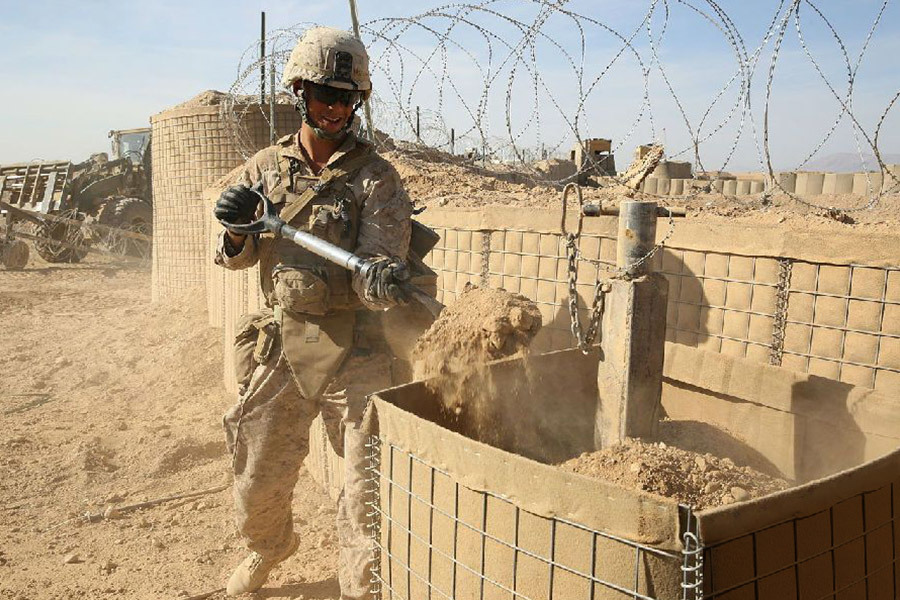
These barriers protect sensitive military sites, ensuring that unauthorized personnel cannot access crucial areas.
4.2 Industrial Facilities
Manufacturing plants and warehouses often utilize heavy duty barriers to safeguard valuable assets and maintain operational integrity.
4.4 Government Buildings
Government sites, such as embassies and courthouses, require top-notch security, which heavy duty barriers provide effectively.
4.5 Residential Areas
Homeowners increasingly recognize the need for fortified security measures to protect against break-ins and vandalism.
5. Key Features to Consider When Choosing Barriers
When selecting heavy duty defense barriers, it’s essential to consider several features:
5.1 Material Quality
Choose barriers constructed from high-grade materials, such as reinforced concrete or hardened steel, to ensure longevity and strength.
5.2 Height and Design
The height and overall design of the barrier play a vital role in its effectiveness. Taller barriers generally provide better protection.
5.3 Installation Method
Consider the installation process. Some barriers require professional installation, while others can be easily set up by the property owner.
5.4 Customization Options
Look for barriers that offer customization to meet specific security needs, including color, design, and additional features like integrated lighting or cameras.
5.5 Cost-Effectiveness
Evaluate the overall cost, including installation and maintenance, to ensure that you are making a financially sound decision for your security needs.
6. Installation and Maintenance of Defense Barriers
Proper installation and maintenance are crucial for the effectiveness of heavy duty defense barriers:
6.1 Professional Installation
For most heavy-duty barriers, hiring professionals for installation is recommended. They can ensure that the barriers are securely anchored and positioned correctly.
6.2 Regular Inspections
Conduct regular inspections to identify any wear and tear or damage that may compromise the barrier's integrity. Early detection can save you time and money.
6.3 Cleaning and Upkeep
Keeping barriers clean and free from debris not only maintains their appearance but also ensures they function as intended.
7. Cost Considerations for Heavy Duty Defense Barriers
Understanding the costs associated with heavy duty defense barriers is essential for budget planning:
7.1 Initial Costs
The costs of purchasing and installing heavy duty barriers can vary widely based on materials, height, and design. It’s essential to obtain multiple quotes to find the best fit for your budget.
7.2 Long-Term Costs
Consider the long-term costs, including maintenance and potential repairs. Investing in high-quality barriers may result in lower costs over time due to their durability.
7.3 Insurance Discounts
Many insurance companies offer discounts for properties equipped with heavy-duty security measures. Check with your provider to see if you can save on premiums.
8. The Future of Heavy Duty Defense Barriers
The landscape of heavy duty defense barriers is evolving with advancements in technology:
8.1 Integration of Smart Technology
Future barriers may incorporate smart technology, including sensors, alarms, and remote monitoring, enhancing their effectiveness and responsiveness.
8.2 Sustainable Materials
As environmental concerns grow, the use of sustainable and eco-friendly materials in barrier construction may become more prevalent.
8.3 Customization and Modularity
Future barriers may offer increased customization options and modular designs, allowing users to adapt the barriers to their specific needs easily.
9. Frequently Asked Questions
9.1 What are heavy duty defense barriers made of?
Heavy duty defense barriers are typically constructed from durable materials such as reinforced concrete, steel, and advanced composites designed for maximum strength and longevity.
9.2 How tall should a defense barrier be for effective security?
The ideal height for a defense barrier varies based on the intended application, but generally, barriers should be at least 8 feet tall to deter unauthorized access effectively.
9.3 Can I install heavy duty barriers myself?
While some barriers are designed for DIY installation, it is advisable to hire professionals for heavy duty barriers to ensure proper setup and maximum security.
9.4 What maintenance do heavy duty defense barriers require?
Regular inspections, cleaning, and prompt repairs are necessary to maintain the effectiveness and appearance of heavy duty defense barriers.
9.5 Are heavy duty barriers cost-effective?
While the initial investment may be higher, heavy duty barriers often save money in the long run due to their durability and potential insurance discounts.
10. Conclusion
Heavy duty defense barriers are an essential aspect of modern security solutions. Their diverse applications and robust design make them a valuable investment for protecting properties against various threats. By understanding the types, benefits, and features of these barriers, property owners can make informed decisions that enhance their safety and peace of mind. Whether for military, commercial, or residential purposes, the right heavy duty defense barrier can provide optimal protection in an unpredictable world.
Get A Quote
Note: Please leave your email address, our professionals will contact you as soon as possible!
Spotlight






Official Website
Hello, What can we do for you?
*Note: Please be sure to fill in the information accurately and keep the communication unblocked. We will contact you as soon as possible


