
Specializing In The Production Of Gabions, Fences, Sound Barriers, Protective Barriers And Other Products
Author:
Release Time:
Mar 13,2026
Maintaining Safety Standards: The Importance of Woven Stone Cage Table of Contents Understanding Woven Stone Cages Key Functions of Woven Stone Cages in Automation Safety Standards in Industrial Settings Material Properties of Woven Stone Cages Installation and Maintenance Best Practices Cost-Effectiveness and Longevity of Woven Stone Cages Real-World Applications of W
Maintaining Safety Standards: The Importance of Woven Stone Cage
Table of Contents
- Understanding Woven Stone Cages
- Key Functions of Woven Stone Cages in Automation
- Safety Standards in Industrial Settings
- Material Properties of Woven Stone Cages
- Installation and Maintenance Best Practices
- Cost-Effectiveness and Longevity of Woven Stone Cages
- Real-World Applications of Woven Stone Cages
- FAQs About Woven Stone Cages
- Conclusion
Understanding Woven Stone Cages
Woven stone cages, often referred to as gabions, are structures made from wire mesh and filled with stones. These cages serve multiple purposes, particularly in stabilizing soil, preventing erosion, and providing structural integrity in various applications. The design of woven stone cages allows for flexibility and strength, making them ideal for use in diverse environments ranging from construction sites to landscaping.
The importance of woven stone cages lies in their ability to adapt to the shifting pressures of earth and water, thereby maintaining safety standards crucial for operational efficiency. As industries seek to enhance safety levels, the role of woven stone cages becomes increasingly vital in providing a robust solution to potential hazards.
Key Functions of Woven Stone Cages in Automation
In the realm of automation, woven stone cages play a pivotal role in ensuring the safety and reliability of automated systems. These structures can be utilized to contain materials, establish barriers, and reinforce safety zones within industrial environments. Key functions include:
1. Containment of Hazardous Materials
Woven stone cages can effectively contain potentially harmful materials, minimizing the risk of spills or leaks that could compromise safety. By securely holding these materials, woven stone cages contribute to a safer work environment.
2. Erosion Control
In areas susceptible to soil erosion, woven stone cages provide a defense mechanism against the natural elements. They help maintain the integrity of the landscape, protecting surrounding infrastructure and ensuring operational continuity.
3. Barrier Creation
Woven stone cages can be employed to create barriers around hazardous areas, guiding personnel away from unsafe zones. This strategic placement enhances overall safety protocols, ensuring that all safety measures are adhered to.
Safety Standards in Industrial Settings
Adhering to safety standards is critical in any industrial setting. Regulations set forth by organizations such as OSHA (Occupational Safety and Health Administration) emphasize the necessity of implementing robust safety measures. Woven stone cages contribute to meeting these standards in several ways:
1. Compliance with Regulatory Guidelines
Implementing woven stone cages can help facilities comply with safety regulations by providing necessary structures to prevent accidents. Ensuring that these cages are properly installed and maintained is essential in adhering to safety protocols.
2. Enhancing Worker Safety
By reducing the likelihood of accidents and injuries, woven stone cages directly contribute to enhancing worker safety. A safe working environment fosters productivity and morale among employees.
3. Risk Mitigation
The integration of woven stone cages allows for better risk management by identifying and addressing potential hazards. This proactive approach is crucial in maintaining a safe and compliant workspace.
Material Properties of Woven Stone Cages
The effectiveness of woven stone cages largely depends on the materials used in their construction. The properties of the materials must align with the intended application. Key material considerations include:
1. Durability
Woven stone cages are made from high-quality wire mesh that ensures resistance against rust and corrosion. This durability is essential for maintaining structural integrity over time.
2. Adaptability
The flexibility of woven stone cages allows for easy adaptation to various environments and conditions. This adaptability is crucial for their effectiveness in different applications.
3. Aesthetic Appeal
In addition to functionality, woven stone cages can enhance the aesthetic appeal of a site. When filled with natural stones, they blend seamlessly with the landscape, adding to the overall visual quality of the environment.
Installation and Maintenance Best Practices
Proper installation and maintenance of woven stone cages are paramount to ensure their effectiveness and longevity. Here are some best practices to consider:
1. Site Assessment
Before installation, conduct a thorough site assessment to identify specific needs and potential challenges. Understanding the environment is essential for proper cage placement and design.
2. Quality Materials
Use high-quality materials for both the wire mesh and the stones to ensure durability and performance. Investing in quality pays off in the long run with reduced maintenance costs.
3. Regular Inspections
Establish a routine inspection schedule to identify any damage or wear on the cages. Prompt repairs will prevent larger issues from developing and ensure continued safety compliance.
Cost-Effectiveness and Longevity of Woven Stone Cages
Woven stone cages represent a cost-effective solution for various industrial applications. Their longevity contributes to their overall value, making them an attractive investment for businesses. Consider the following benefits:
1. Low Maintenance Costs
Due to their durable materials, woven stone cages require minimal maintenance. This reduces long-term costs associated with upkeep and repairs.
2. Extended Lifespan
When properly installed and maintained, woven stone cages can last for decades. Their resilience against environmental factors ensures that they continue to perform effectively over time.
3. Versatility
Woven stone cages can be used in numerous applications, from civil engineering projects to landscaping. Their versatility allows businesses to utilize a single solution for multiple needs, further enhancing cost-effectiveness.
Real-World Applications of Woven Stone Cages
Woven stone cages have a wide range of applications across various industries. Here are some notable examples:
1. Civil Engineering
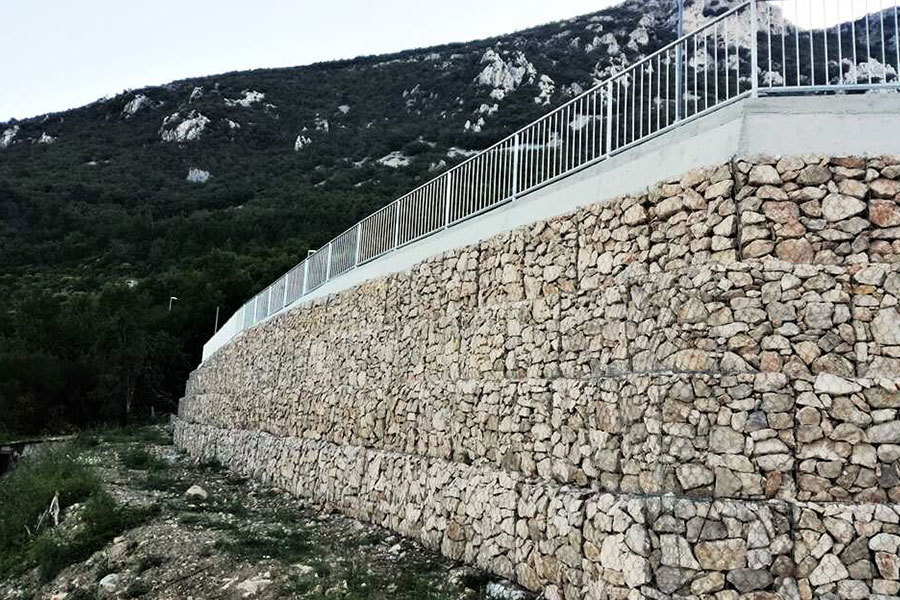
In civil engineering, woven stone cages are used for slope stabilization and erosion control. They effectively prevent landslides and protect infrastructure from water damage.
2. Landscaping
Woven stone cages can enhance landscaping projects, providing both functional and aesthetic benefits. They can be utilized in garden design, retaining walls, and decorative features.
3. Coastal Protection
Woven stone cages are often employed in coastal areas to protect shorelines from erosion. Their ability to absorb wave energy makes them a preferred choice for coastal engineering projects.
FAQs About Woven Stone Cages
1. What materials are used to make woven stone cages?
Woven stone cages are primarily constructed from wire mesh and filled with natural stones. The choice of materials can vary based on the specific application.
2. How long do woven stone cages last?
When properly maintained, woven stone cages can last for several decades. Their durability against environmental stressors contributes to their longevity.
3. Are woven stone cages environmentally friendly?
Yes, woven stone cages are considered environmentally friendly as they use natural materials. They also promote soil stability and erosion control, contributing positively to the environment.
4. Can woven stone cages be customized?
Yes, woven stone cages can be customized in size, shape, and stone type to suit specific applications. This flexibility allows for tailored solutions based on project requirements.
5. What are the installation requirements for woven stone cages?
Installation requirements vary based on the site and application. A thorough site assessment should be conducted to determine the best practices for installation.
Conclusion
Woven stone cages are an essential component in maintaining safety standards across various industrial applications. Their ability to provide structural integrity, enhance safety, and promote environmental stability makes them an invaluable asset. As industries continue to prioritize safety and compliance, the importance of woven stone cages will only grow. By understanding their functions, material properties, and best practices for installation and maintenance, businesses can leverage woven stone cages to create safer, more efficient work environments. Investing in this versatile solution not only ensures adherence to safety standards but also contributes to the long-term success of industrial operations.
Get A Quote
Note: Please leave your email address, our professionals will contact you as soon as possible!
Spotlight





Official Website
Hello, What can we do for you?
*Note: Please be sure to fill in the information accurately and keep the communication unblocked. We will contact you as soon as possible


