
Specializing In The Production Of Gabions, Fences, Sound Barriers, Protective Barriers And Other Products
Author:
Release Time:
Mar 14,2026
Welded Stone Cages: The Unsung Heroes of Safety Infrastructure Table of Contents 1. Introduction to Welded Stone Cages 2. What Are Welded Stone Cages? 3. The Importance of Safety Infrastructure 3.1 Enhancing Safety in Construction 3.2 Protection Against Natural Disasters 4. Benefits of Using Welded Stone Cages 4.1 Durability and Longevity 4.2 Cost-Effectiveness 5. Applications
Welded Stone Cages: The Unsung Heroes of Safety Infrastructure
Table of Contents
1. Introduction to Welded Stone Cages
2. What Are Welded Stone Cages?
3. The Importance of Safety Infrastructure
3.1 Enhancing Safety in Construction
3.2 Protection Against Natural Disasters
4. Benefits of Using Welded Stone Cages
4.1 Durability and Longevity
4.2 Cost-Effectiveness
5. Applications of Welded Stone Cages
5.1 Civil Engineering Projects
5.2 Environmental Protection
5.3 Military and Defense Uses
6. Choosing the Right Welded Stone Cage
6.1 Factors to Consider
6.2 Common Mistakes to Avoid
7. Maintenance and Care for Welded Stone Cages
8. Frequently Asked Questions (FAQs)
9. Conclusion
1. Introduction to Welded Stone Cages
Welded stone cages, often referred to as gabions, play a significant role in modern safety infrastructure. While they may not always be visible, their impact is enormous. These sturdy enclosures are primarily made from wire mesh and filled with stones or other materials, creating a robust structure designed to withstand various environmental conditions. In a world where safety is paramount, understanding the benefits and applications of welded stone cages becomes essential for engineers, architects, and safety professionals alike.
2. What Are Welded Stone Cages?
Welded stone cages are strong, flexible structures composed of wire mesh that encases rocks or stones. These cages can be used in diverse applications, from retaining walls and erosion control to aesthetic landscaping. The configuration allows for various designs, making them adaptable to different environments and purposes. Due to their design, welded stone cages can absorb shock from floods, landslides, and other environmental impacts, contributing significantly to safety in infrastructure.
3. The Importance of Safety Infrastructure
Safety infrastructure is crucial for protecting lives, property, and the environment. Enhanced safety measures can prevent catastrophic events and ensure stability in civil engineering projects. By incorporating welded stone cages into infrastructure solutions, we can improve the overall resilience of structures against natural disasters and unforeseen circumstances.
3.1 Enhancing Safety in Construction
In construction, integrated safety features are vital for preserving worker safety and ensuring project success. Welded stone cages can be utilized as temporary structures to support excavation sites, providing instant protection against possible collapses.
3.2 Protection Against Natural Disasters
Natural disasters such as floods, landslides, and earthquakes pose significant threats to communities. Welded stone cages serve as effective barriers that can divert water flow, stabilize slopes, and protect critical infrastructure from damage.
4. Benefits of Using Welded Stone Cages
The advantages of welded stone cages extend far beyond their basic structure. Their unique properties make them one of the most effective solutions in safety infrastructure.
4.1 Durability and Longevity
Welded stone cages are engineered to withstand harsh environments, including extreme weather conditions. The combination of wire mesh and heavy stones creates a resilient barrier that maintains structural integrity over time.
4.2 Cost-Effectiveness
Compared to traditional concrete solutions, welded stone cages often present a more economical alternative. They require less material and labor while providing comparable, if not superior, strength and durability.
5. Applications of Welded Stone Cages
The versatility of welded stone cages allows for a wide range of applications across various fields.
5.1 Civil Engineering Projects
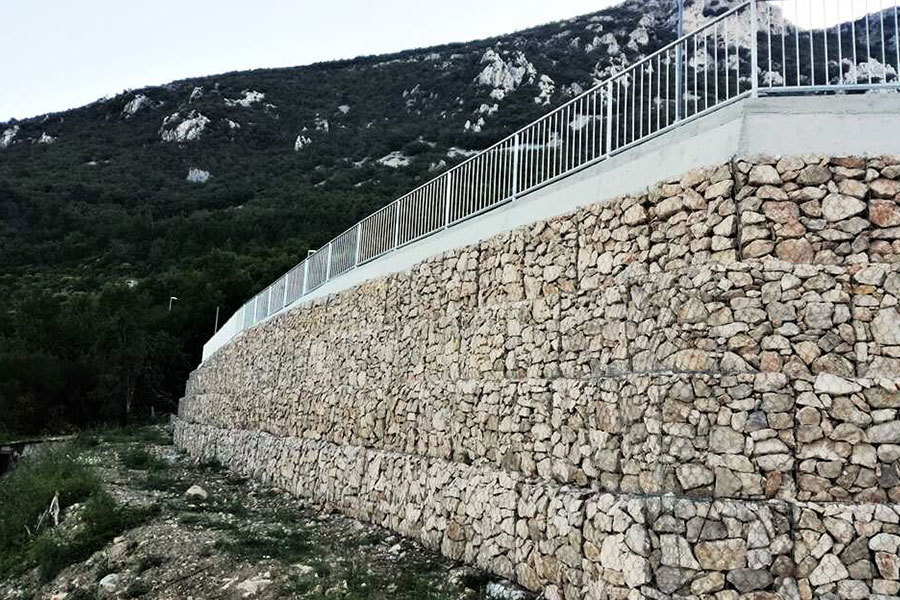
In civil engineering, welded stone cages are employed for creating retaining walls, stabilizing slopes, and preventing soil erosion. Their ability to conform to different shapes enables engineers to design custom solutions tailored to specific site requirements.
5.2 Environmental Protection
Welded stone cages play a critical role in environmental management. They are used for stream bank stabilization, riverbank protection, and creating habitats for wildlife, thereby promoting ecological balance.
5.3 Military and Defense Uses
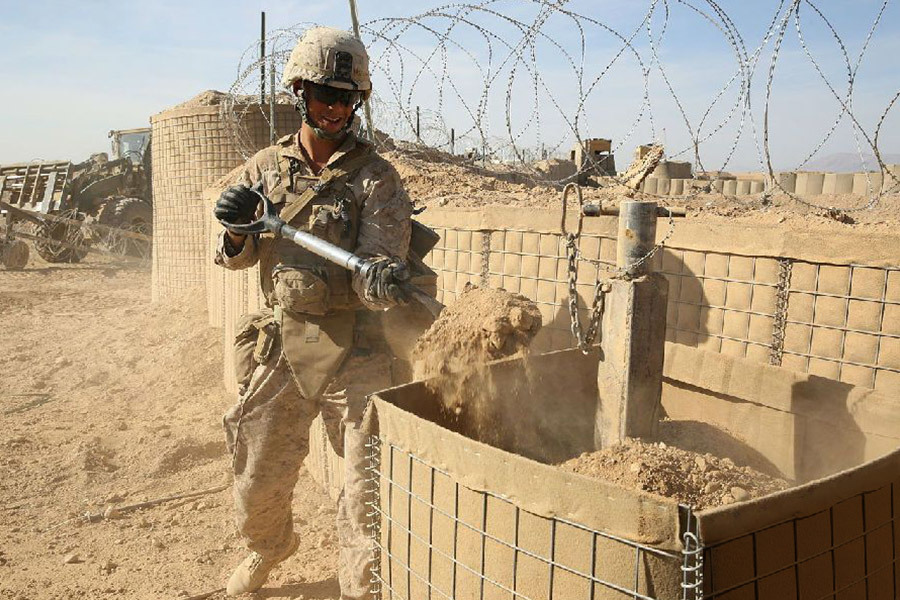
In military applications, welded stone cages can be used as fortifications, barriers, and protective structures for personnel and equipment. Their robustness provides a reliable defense against artillery and other threats.
6. Choosing the Right Welded Stone Cage
Selecting the proper welded stone cage for your project involves careful consideration of several factors.
6.1 Factors to Consider
Key factors include the intended application, environmental conditions, and the type of fill material. Understanding these variables ensures optimal performance and longevity.
6.2 Common Mistakes to Avoid
Common pitfalls include underestimating the load requirements, neglecting site assessments, and using inadequate materials. Avoiding these mistakes will enhance the effectiveness of your welded stone cages.
7. Maintenance and Care for Welded Stone Cages
While welded stone cages are designed for durability, regular maintenance is essential to preserve their functionality. Inspecting for any signs of wear, ensuring proper drainage, and addressing vegetation growth are necessary steps to extend their lifespan.
8. Frequently Asked Questions (FAQs)
What materials are used to fill welded stone cages?
Welded stone cages are typically filled with various types of stones, including granite, limestone, and river rock. The choice of material depends on availability and the specific application.
How do welded stone cages compare to traditional retaining walls?
Welded stone cages offer greater flexibility and adaptability compared to traditional retaining walls. They are often more cost-effective and provide better drainage, reducing the risk of water-related damage.
Can welded stone cages support heavy loads?
Yes, welded stone cages are designed to support substantial loads, making them suitable for a variety of applications, including retaining walls and protective barriers.
Are welded stone cages environmentally friendly?
Welded stone cages are considered environmentally friendly as they utilize natural materials and promote biodiversity by creating habitats for various species.
How long can welded stone cages last?
With proper maintenance, welded stone cages can last for decades, making them a long-term solution for various civil engineering and environmental applications.
9. Conclusion
Welded stone cages are indeed the unsung heroes of safety infrastructure. Their durability, versatility, and cost-effectiveness make them invaluable in enhancing safety across various sectors. By understanding their benefits, applications, and maintenance needs, we can better appreciate their role in creating safe and resilient infrastructure. As industries continue to evolve, the importance of welded stone cages in protecting lives and environments will only grow, establishing them as a cornerstone of modern safety solutions.
Get A Quote
Note: Please leave your email address, our professionals will contact you as soon as possible!
Spotlight





Official Website
Hello, What can we do for you?
*Note: Please be sure to fill in the information accurately and keep the communication unblocked. We will contact you as soon as possible


