

Specializing In The Production Of Gabions, Fences, Sound Barriers, Protective Barriers And Other Products
Author:
Release Time:
Mar 23,2026
The Future of Safety: Innovations in Heavy Duty Defense Barriers for Enhanced Protection In today's fast-paced world, ensuring safety is paramount across various sectors, especially in industries that deal with hazardous materials or where heightened security is necessary. As we advance into a new era of technology, heavy duty defense barriers are becoming increasingly sophisticated. These barrier
The Future of Safety: Innovations in Heavy Duty Defense Barriers for Enhanced Protection
In today's fast-paced world, ensuring safety is paramount across various sectors, especially in industries that deal with hazardous materials or where heightened security is necessary. As we advance into a new era of technology, heavy duty defense barriers are becoming increasingly sophisticated. These barriers are not just physical structures; they represent a commitment to safety, security, and resilience. This article explores the latest advancements in heavy duty defense barriers and their implications for the future of safety.
Table of Contents
- Understanding Heavy Duty Defense Barriers
- The Importance of Safety Barriers in Today’s Environment
- Innovative Materials Used in Defense Barriers
- Technological Advancements in Barrier Design
- Applications of Heavy Duty Defense Barriers
- Future Trends in Barrier Technology
- Case Studies: Successful Implementations of Defense Barriers
- Frequently Asked Questions
- Conclusion
Understanding Heavy Duty Defense Barriers
Heavy duty defense barriers are designed to withstand substantial impact and prevent unauthorized access. These barriers can be seen in various forms, including concrete walls, metal fences, and electronic gates. Their primary purpose is to provide a physical deterrent against potential threats such as vehicles, explosives, and intruders.
As safety concerns evolve, so do the designs and functionalities of these barriers. Modern heavy duty defense barriers incorporate advanced technologies, making them more effective in protecting critical infrastructure, sensitive areas, and high-value assets.
The Importance of Safety Barriers in Today’s Environment
Safety barriers play a crucial role in safeguarding lives and property. With increasing threats from terrorism, vandalism, and accidents, the need for robust defense mechanisms has never been more critical. Heavy duty defense barriers are essential for:
1. Protecting Critical Infrastructure
Facilities such as power plants, military bases, and data centers require enhanced protection against external threats. Heavy duty barriers provide a first line of defense, ensuring these vital assets remain safe from attacks.
2. Ensuring Public Safety
In urban environments, heavy duty defense barriers help protect pedestrians and vehicles from potential accidents involving heavy machinery or vehicles. They create safe zones and guide traffic, minimizing risks.
3. Enhancing Security Measures
With crimes on the rise, businesses and organizations are investing in security measures. Heavy duty barriers serve as a visible deterrent, discouraging potential wrongdoers from attempting to breach secured areas.
Innovative Materials Used in Defense Barriers
The materials used in constructing heavy duty defense barriers are evolving rapidly. The focus is on achieving a balance between strength, durability, and weight. Some of the innovative materials include:
1. Reinforced Concrete
Reinforced concrete is commonly used due to its strength and ability to absorb impact. Its versatility allows for various designs, making it suitable for different applications.
2. High-Density Polyethylene (HDPE)
HDPE is a lightweight yet strong material that is resistant to environmental stressors. This makes it ideal for barriers that must withstand harsh weather conditions while remaining easy to install.
3. Steel Alloy Composites
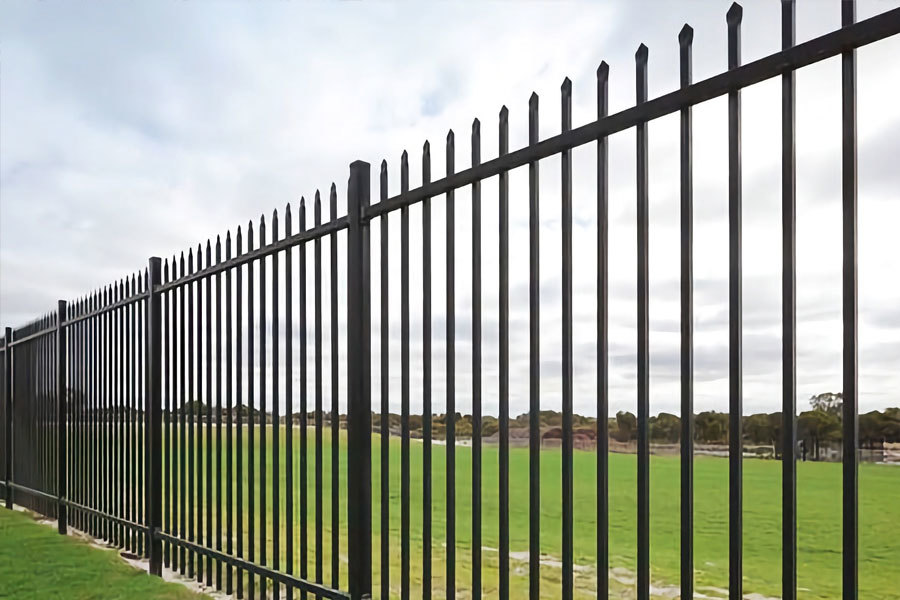
Steel alloys provide exceptional strength and resistance to corrosion. These materials are often used in security fencing and gates to enhance durability and reliability.
Technological Advancements in Barrier Design
Modern heavy duty defense barriers are integrating advanced technologies that enhance their functionality. These innovations include:
1. Smart Barrier Technologies
Smart barriers equipped with sensors and alarms can detect unauthorized movements or breaches. They provide real-time alerts to security personnel, enabling quicker responses to potential threats.
2. Modular Barrier Systems
Modular systems allow for flexible configurations, enabling the rapid deployment of barriers in various environments. This adaptability is crucial for temporary security needs during events or emergency situations.
3. Solar-Powered Surveillance
Incorporating solar-powered cameras and lights into barrier systems enhances visibility and monitoring capabilities, particularly in remote areas where power sources are limited.
Applications of Heavy Duty Defense Barriers
Heavy duty defense barriers are utilized in a wide range of applications, including:
1. Military Installations
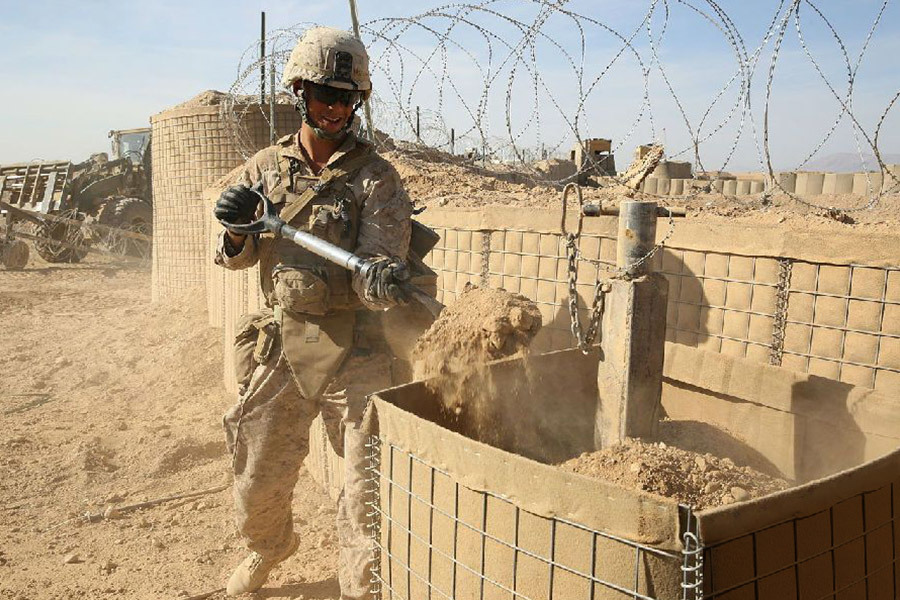
Defense barriers are critical in military locations for protecting sensitive equipment and personnel from potential attacks.
2. Transportation Hubs
Airports, seaports, and rail stations require secure barriers to manage access and protect passengers and cargo.
3. Event Security
Heavy duty barriers are often deployed at large events, concerts, and festivals to create safe zones and control crowds effectively.
Future Trends in Barrier Technology
As we look ahead, several trends are expected to shape the future of heavy duty defense barriers:
1. Integration of Artificial Intelligence
The use of AI in monitoring and managing barrier systems will significantly enhance security capabilities. AI can analyze patterns and predict potential threats, allowing for proactive measures.
2. Sustainability in Barrier Design
As environmental concerns grow, sustainable materials and designs will become increasingly important in barrier construction. This trend will focus on minimizing the environmental footprint while maintaining effectiveness.
3. Enhanced Customization Options
Future barriers will offer more customization options to meet specific security needs, allowing organizations to tailor solutions that best fit their requirements.
Case Studies: Successful Implementations of Defense Barriers
Several organizations have successfully implemented heavy duty defense barriers, showcasing their effectiveness:
1. The Secure Military Base
A military base upgraded its perimeter security by installing reinforced concrete barriers with integrated smart technology. The enhancements resulted in a significant decrease in unauthorized access attempts.
2. Airport Security Upgrade
A major international airport implemented modular barrier systems to improve security during peak travel times. The barriers enabled efficient crowd control and enhanced safety for passengers.
3. Protecting Industrial Sites
An industrial site faced frequent thefts and vandalism. The installation of steel alloy barriers significantly reduced incidents, providing a safer environment for employees.
Frequently Asked Questions
1. What are heavy duty defense barriers made of?
Heavy duty defense barriers can be constructed from a variety of materials, including reinforced concrete, high-density polyethylene, and steel alloy composites, depending on the security requirements.
2. How do smart barriers enhance security?
Smart barriers are equipped with sensors and alarms that detect unauthorized access and provide real-time alerts, allowing for faster response times to potential threats.
3. Can heavy duty barriers be customized for specific needs?
Yes, many heavy duty defense barriers can be customized to fit the unique security needs of various organizations, including adjustable heights and configurations.
4. What is the lifespan of heavy duty defense barriers?
The lifespan of heavy duty defense barriers varies based on materials and environmental conditions, but many are designed to last for several decades with minimal maintenance.
5. Are there sustainable options for defense barriers?
Yes, there are increasingly sustainable materials and designs available for heavy duty defense barriers that focus on minimizing environmental impact while providing effective security.
Conclusion
The future of safety in various sectors relies heavily on the advancements made in heavy duty defense barriers. With innovative materials, smart technologies, and customizable solutions, these barriers are essential for protecting critical infrastructure and ensuring public safety. As we continue to navigate an ever-changing landscape of threats, the ongoing evolution of defense barrier technology will play a pivotal role in safeguarding lives and assets. Embracing these advancements will not only enhance security measures but also contribute to a safer and more resilient future.
Get A Quote
Note: Please leave your email address, our professionals will contact you as soon as possible!
Spotlight






Official Website
Hello, What can we do for you?
*Note: Please be sure to fill in the information accurately and keep the communication unblocked. We will contact you as soon as possible


