
Specializing In The Production Of Gabions, Fences, Sound Barriers, Protective Barriers And Other Products
Author:
Release Time:
Mar 30,2026
Welded Stone Cages vs. Traditional Barriers: Which is Better? Table of Contents Introduction to Welded Stone Cages and Traditional Barriers Understanding the Difference Between Welded Stone Cages and Traditional Barriers Benefits of Welded Stone Cages Advantages of Traditional Barriers Applications for Welded Stone Cages in Various Industries Applications for Traditional Barriers in D
Welded Stone Cages vs. Traditional Barriers: Which is Better?
Table of Contents
- Introduction to Welded Stone Cages and Traditional Barriers
- Understanding the Difference Between Welded Stone Cages and Traditional Barriers
- Benefits of Welded Stone Cages
- Advantages of Traditional Barriers
- Applications for Welded Stone Cages in Various Industries
- Applications for Traditional Barriers in Different Environments
- Cost-Effectiveness Comparison: Welded Stone Cages vs. Traditional Barriers
- Maintenance Considerations for Both Options
Introduction to Welded Stone Cages and Traditional Barriers
In the realm of safety solutions, the choice between **welded stone cages** and **traditional barriers** plays a crucial role in ensuring secure environments. Each option has unique characteristics that cater to specific needs. This article aims to provide a detailed comparison between welded stone cages and traditional barriers, allowing you to make an informed decision based on your safety requirements.
Understanding the Difference Between Welded Stone Cages and Traditional Barriers
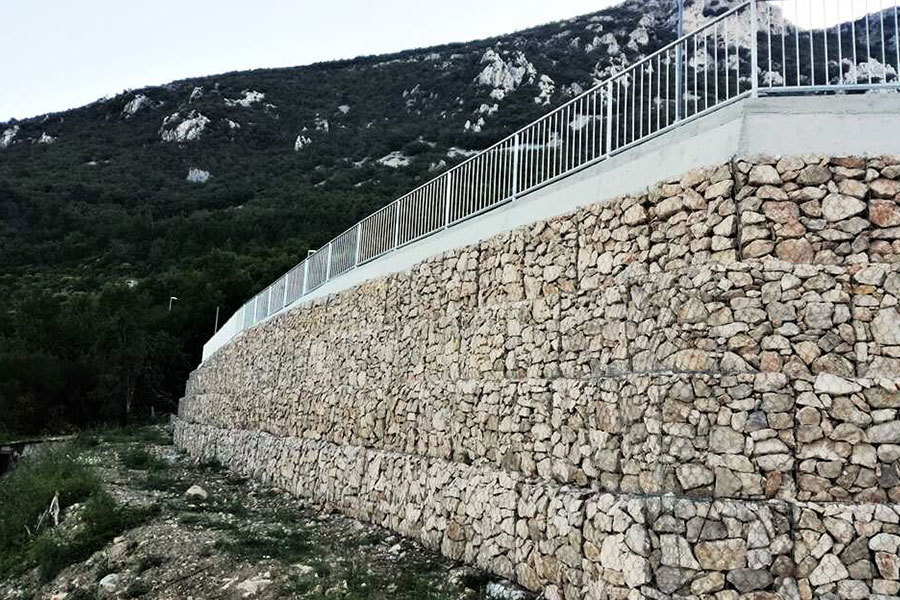
Welded stone cages, often referred to as gabions, are structures made of wire mesh filled with stones or other materials. They are commonly used for erosion control, retaining walls, and as barriers against debris. On the other hand, traditional barriers typically consist of concrete, metal, or plastic materials designed to provide physical separation or protection.
While both welded stone cages and traditional barriers serve the purpose of enhancing safety, their construction, durability, and applications differ significantly. Understanding these differences is the first step in determining which solution is best suited for your specific needs.
Benefits of Welded Stone Cages
Welded stone cages offer several advantages that make them an appealing option for various applications:
1. **Environmental Sustainability**
Welded stone cages are often filled with locally sourced materials, promoting eco-friendly practices. The use of natural stones reduces the carbon footprint associated with manufacturing barriers, making them a sustainable choice for environmentally conscious projects.
2. **Flexibility and Adaptability**
These cages can be designed in various shapes and sizes, allowing them to adapt to different terrains and design specifications. This flexibility makes them ideal for projects that require innovative solutions to fit unique site conditions.
3. **Aesthetic Appeal**
Welded stone cages can be visually appealing, blending seamlessly into landscapes. When filled with colorful stones, they can enhance the aesthetic quality of public spaces, parks, and residential areas.
4. **Durability and Longevity**
Constructed with high-quality wire mesh and filled with robust materials, welded stone cages are built to withstand harsh weather conditions and environmental stressors. Their durability ensures a longer lifespan compared to some traditional barriers.
Advantages of Traditional Barriers
While welded stone cages have numerous benefits, traditional barriers also provide essential advantages:
1. **Immediate Protection**
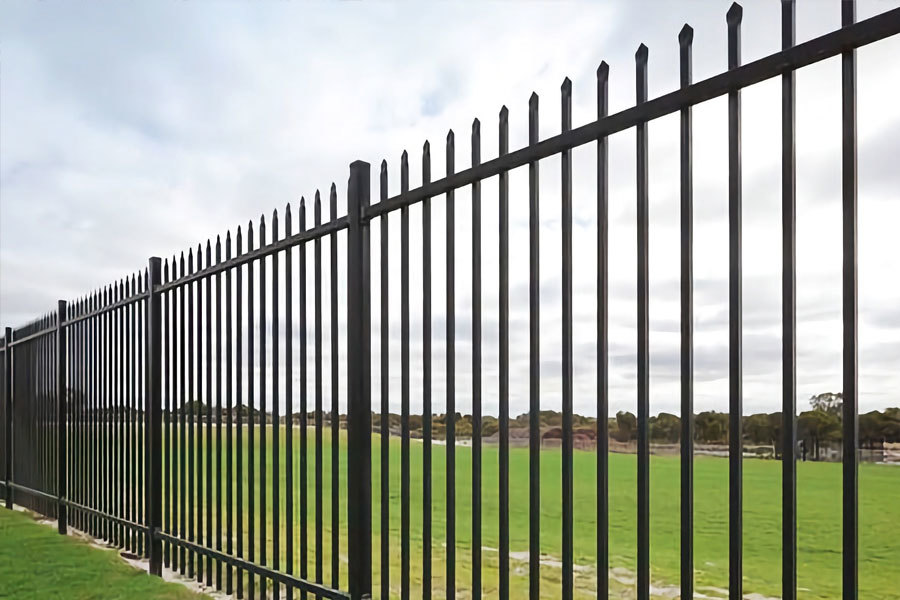
Traditional barriers, such as concrete walls or metal fencing, provide immediate protection. Their solid structure is particularly effective in high-risk environments where quick and reliable security is paramount.
2. **Standardization**
Traditional barriers often come in standard sizes and designs, making them easier to install and replace. This standardization can streamline project planning and execution.
3. **Higher Load-Bearing Capacity**
Concrete and metal barriers can bear heavier loads compared to welded stone cages. For construction sites or areas with significant vehicular traffic, traditional barriers may be more suitable for providing physical protection.
4. **Less Maintenance**
Generally speaking, traditional barriers require less ongoing maintenance than welded stone cages, which may need periodic inspections and repairs to ensure structural integrity over time.
Applications for Welded Stone Cages in Various Industries
Welded stone cages are versatile and find applications in various industries, including:
1. **Civil Engineering**
In civil engineering, welded stone cages are often used for retaining walls, erosion control, and slope stabilization. Their flexibility allows engineers to design solutions that fit specific geographical challenges.
2. **Landscaping**
In landscaping, these cages can serve decorative purposes, forming borders for flower beds or creating visually appealing garden features.
3. **Transportation**
Welded stone cages can be utilized alongside highways and roads as noise barriers and crash barriers, effectively minimizing noise pollution and enhancing safety.
Applications for Traditional Barriers in Different Environments
Traditional barriers also have established roles across various sectors:
1. **Construction Sites**
On construction sites, traditional barriers are commonly used to create secure perimeters, preventing unauthorized access and ensuring the safety of workers and the public.
2. **Traffic Management**
Concrete dividers or metal guardrails are frequently employed in traffic management systems to direct vehicles and protect pedestrians from potential accidents.
3. **Industrial Facilities**
In industrial settings, barriers are used to separate hazardous areas from operational zones, ensuring compliance with safety regulations and protecting employees.
Cost-Effectiveness Comparison: Welded Stone Cages vs. Traditional Barriers
When choosing between welded stone cages and traditional barriers, cost-effectiveness is a significant consideration.
1. **Initial Costs**
The initial cost of welded stone cages can vary based on material selection and installation complexity. However, they may often be more economical in rural areas where natural stones are readily available.
2. **Long-Term Costs**
In terms of long-term costs, welded stone cages may require occasional maintenance and inspections. Traditional barriers, while often requiring lower maintenance, may incur costs related to repairs or replacements in high-wear environments.
Maintenance Considerations for Both Options
Understanding the maintenance needs is essential for making a well-informed decision:
1. **Welded Stone Cages**
Regular inspections are necessary to ensure the structural integrity of welded stone cages. Over time, erosion or settling may require adding more stones or reinforcing the structure.
2. **Traditional Barriers**
Traditional barriers typically need less frequent maintenance, but they may require repairs if subjected to significant impact or environmental wear. Periodic painting or sealing of metal barriers can help prolong their lifespan.
Conclusion: Making the Right Choice
In the debate of **welded stone cages vs. traditional barriers**, the right choice depends on various factors, including the specific application, environmental conditions, budget, and aesthetic preferences. Welded stone cages provide an environmentally sustainable, flexible, and visually appealing option, while traditional barriers offer immediate protection and higher load-bearing capacity. By weighing these factors carefully, we can choose the best solution to meet our safety and design needs.
FAQs about Welded Stone Cages and Traditional Barriers
1. What materials are used in welded stone cages?
Welded stone cages are typically constructed from steel wire mesh and filled with various types of stones, gravel, or recycled materials.
2. Are welded stone cages environmentally friendly?
Yes, welded stone cages are considered environmentally friendly because they utilize natural materials and can help with erosion control.
3. How long do traditional barriers last?
The lifespan of traditional barriers varies based on materials and environmental conditions, but they can last several decades with proper maintenance.
4. Can welded stone cages be used for sound barriers?
Yes, welded stone cages can be designed to function as noise barriers, helping to reduce sound pollution in residential and commercial areas.
5. What factors affect the cost of installation for either option?
Factors affecting installation costs include material prices, labor costs, site conditions, and the complexity of the design.
Get A Quote
Note: Please leave your email address, our professionals will contact you as soon as possible!
Spotlight






Official Website
Hello, What can we do for you?
*Note: Please be sure to fill in the information accurately and keep the communication unblocked. We will contact you as soon as possible


