
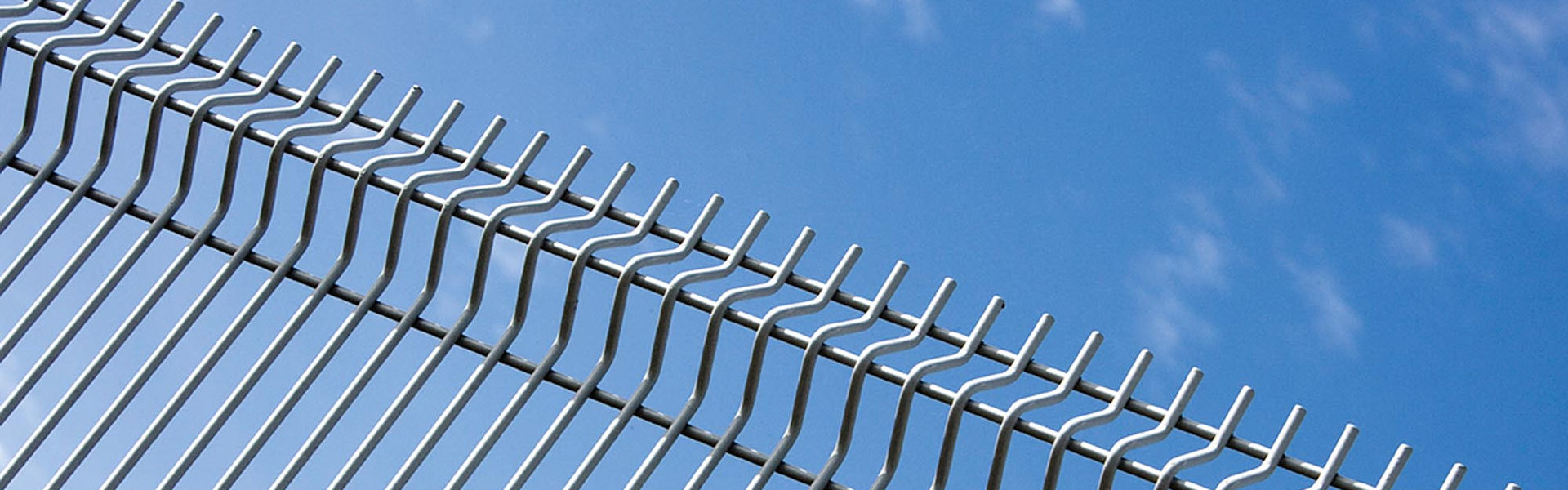
Specializing In The Production Of Gabions, Fences, Sound Barriers, Protective Barriers And Other Products
Author:
Release Time:
Apr 04,2026
Metal Fences: Ensuring Safety in High-Tech Environments Metal fences play a pivotal role in maintaining safety and security in high-tech environments, such as laboratories, manufacturing plants, and data centers. These structures are essential in preventing unauthorized access, protecting sensitive equipment, and maintaining a controlled environment. In this article, we delve into the intricacies
Metal Fences: Ensuring Safety in High-Tech Environments
Metal fences play a pivotal role in maintaining safety and security in high-tech environments, such as laboratories, manufacturing plants, and data centers. These structures are essential in preventing unauthorized access, protecting sensitive equipment, and maintaining a controlled environment. In this article, we delve into the intricacies of metal fences, exploring their benefits, types, installation considerations, and compliance with safety regulations.
Table of Contents
- Introduction to Metal Fences in High-Tech Environments
- The Importance of Metal Fences for Safety and Security
- Types of Metal Fences: Finding the Right Fit
- Choosing the Right Materials for Metal Fences
- Installation Practices for Optimal Safety
- Compliance with Safety Regulations
- Innovations in Metal Fencing Technology
- Frequently Asked Questions
- Conclusion: The Essential Role of Metal Fences
Introduction to Metal Fences in High-Tech Environments
In high-tech environments, where precision and safety are paramount, **metal fences** serve as the first line of defense against potential threats. These environments often house expensive equipment and sensitive data, making security a top priority. Metal fences not only provide physical barriers but also contribute to a sense of safety among employees and visitors. Understanding the various aspects of metal fencing is crucial for selecting the most effective solution tailored to specific needs.
The Importance of Metal Fences for Safety and Security
Metal fences are indispensable in high-tech settings for several reasons:
1. Physical Barrier Against Intrusions
Metal fences deter unauthorized access, protecting sensitive areas from intruders. Their robust construction withstands attempts at breach and serves as a visual deterrent.
2. Protection from Environmental Hazards
In many high-tech environments, such as manufacturing facilities, specific areas may contain hazardous materials or processes. Metal fences help contain these risks, ensuring safety for personnel and the surrounding community.
3. Enhanced Surveillance Capabilities
Incorporating metal fences with surveillance systems can significantly enhance security protocols. The presence of a fence enables easier monitoring of activities within secured areas.
Types of Metal Fences: Finding the Right Fit
Selecting the right type of metal fence is crucial to meet the specific requirements of a high-tech environment. Here are some common types of metal fences:
1. Chain Link Fences
Chain link fences are a popular choice for securing large perimeters. They provide visibility while offering a degree of security. These fences can be customized with barbed wire or slats for added protection.
2. Welded Wire Fences
Welded wire fences consist of evenly spaced vertical and horizontal wires. They offer enhanced security and are less likely to be breached compared to chain link options.
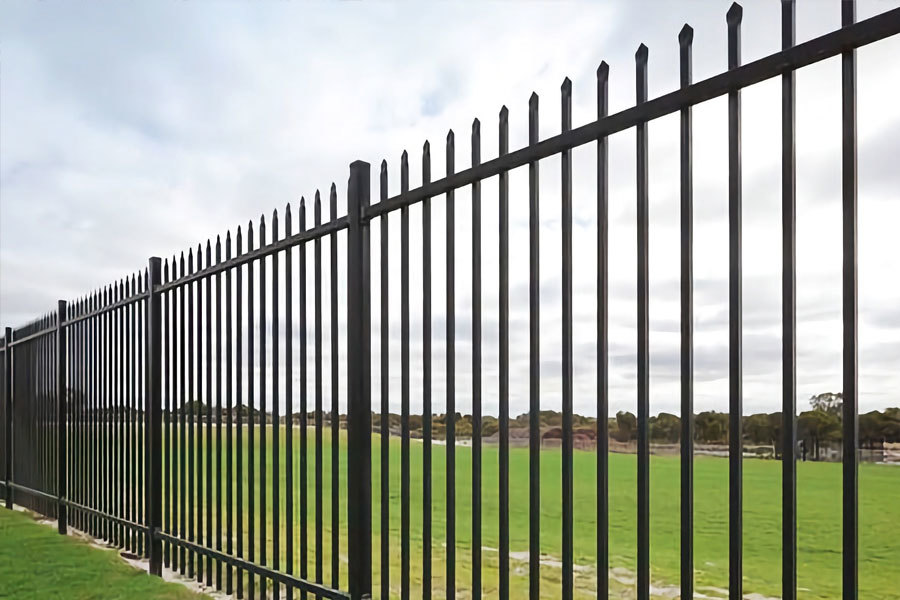
3. Steel Palisade Fences
Steel palisade fences feature vertical steel pales that create a formidable barrier. Their design prevents climbing and provides high-security levels, making them ideal for critical infrastructures.
4. Decorative Metal Fences
For environments where aesthetics matter, decorative metal fences offer both beauty and security. They can be customized to enhance the visual appeal of a facility while maintaining safety.
Choosing the Right Materials for Metal Fences
The material of a metal fence plays a significant role in its durability and effectiveness. Key considerations include:
1. Galvanized Steel
Galvanized steel is rust-resistant and ideal for outdoor settings. Its strength and longevity make it a preferred choice for industrial applications.
2. Aluminum
Aluminum fencing is lightweight and resistant to corrosion. It offers a balance between aesthetics and functionality, suitable for environments where visual appeal is essential.
3. Stainless Steel
For the highest level of security, stainless steel fences provide an excellent solution. Their strength and resistance to corrosion make them ideal for high-tech facilities that demand robust protection.
Installation Practices for Optimal Safety
Proper installation of metal fences is crucial to ensure their effectiveness. Key practices to consider include:
1. Site Assessment
Conduct a thorough site assessment to determine the most effective placement for the fence. Consider factors such as terrain, potential hazards, and access points.
2. Foundation Preparation
A strong foundation is vital for the longevity of a metal fence. Ensure that posts are installed in concrete footings to provide stability against weather and environmental factors.
3. Regular Maintenance
Regular inspections and maintenance extend the life of metal fences. Addressing issues such as rust, damage, or loose fittings promptly can prevent larger problems.
Compliance with Safety Regulations
In high-tech environments, compliance with safety regulations is non-negotiable. Metal fences must adhere to local and federal safety standards, which may include:
1. OSHA Standards
The Occupational Safety and Health Administration (OSHA) sets standards for workplace safety. Ensuring that metal fences comply with these regulations helps maintain a safe working environment.
2. Building Codes
Local building codes outline specifications for fencing materials and installation practices. Familiarity with these codes is essential to avoid penalties and ensure safety.
Innovations in Metal Fencing Technology
Recent advancements in metal fencing technology have transformed how security is approached in high-tech environments. Notable innovations include:
1. Smart Fencing Solutions
Smart fencing integrates sensors and surveillance technology to monitor movements around the perimeter. These systems can send alerts to security personnel in real-time.
2. Anti-climb Designs
Anti-climb metal fences feature spikes or angled tops that prevent individuals from scaling the fence. This design enhances security and deters potential intruders.
Frequently Asked Questions
1. What are the benefits of using metal fences in high-tech environments?
Metal fences provide physical barriers against unauthorized access, protect against environmental hazards, and enhance surveillance capabilities.
2. How do I choose the right type of metal fence?
Consider factors such as the level of security needed, aesthetic preferences, and the environment in which the fence will be installed.
3. Are there specific materials recommended for metal fences?
Galvanized steel, aluminum, and stainless steel are popular materials due to their durability, corrosion resistance, and strength.
4. What installation practices should be followed for metal fences?
Conduct a site assessment, ensure proper foundation preparation, and schedule regular maintenance for optimal safety.
5. How do metal fences comply with safety regulations?
Metal fences must adhere to OSHA standards and local building codes, ensuring they meet safety and security requirements.
Conclusion: The Essential Role of Metal Fences
In conclusion, **metal fences** serve as a critical component in ensuring safety and security within high-tech environments. Their ability to provide robust protection against unauthorized access, environmental hazards, and potential liabilities makes them an invaluable asset. By understanding the types, materials, installation practices, and compliance requirements, organizations can make informed decisions that enhance their overall safety protocols. Investing in quality metal fencing not only safeguards assets but also fosters a secure atmosphere for employees and visitors alike.
Get A Quote
Note: Please leave your email address, our professionals will contact you as soon as possible!
Spotlight





Official Website
Hello, What can we do for you?
*Note: Please be sure to fill in the information accurately and keep the communication unblocked. We will contact you as soon as possible


