
Specializing In The Production Of Gabions, Fences, Sound Barriers, Protective Barriers And Other Products
Author:
Release Time:
Apr 12,2026
Automated Safety: The Role of Metal Fences in Your Facility Table of Contents 1. Introduction to Automated Safety and Metal Fences 2. The Importance of Safety in Facilities 3. Types of Metal Fences for Automated Safety 3.1 Chain Link Fences 3.2 Welded Wire Fences 3.3 Palisade Fences 3.4 Anti-Climb Fences 4. Integrat
Automated Safety: The Role of Metal Fences in Your Facility
Table of Contents
- 1. Introduction to Automated Safety and Metal Fences
- 2. The Importance of Safety in Facilities
- 3. Types of Metal Fences for Automated Safety
- 4. Integrating Metal Fences with Automation Systems
- 5. Benefits of Using Metal Fences for Automated Safety
- 6. Best Practices for Installing and Maintaining Metal Fences
- 7. Case Studies: Success Stories of Metal Fencing Integration
- 8. Frequently Asked Questions about Metal Fences and Safety
- 9. Conclusion
1. Introduction to Automated Safety and Metal Fences
In today's industrial landscape, ensuring safety is paramount. Automated safety measures are becoming increasingly prevalent in facilities handling hazardous materials or operating heavy machinery. One of the key components of a robust safety strategy is the incorporation of **metal fences**. These structures not only provide a physical barrier but also integrate seamlessly with automated systems, ensuring that personnel are safeguarded from potential dangers.
2. The Importance of Safety in Facilities
Safety in industrial facilities is non-negotiable. Accidents can lead to severe injuries, fatalities, and substantial financial losses. Therefore, implementing comprehensive safety measures is critical. Automated safety precautions, such as **metal fences**, play a vital role in preventing unauthorized access, protecting employees, and securing valuable assets.
With the rise of automation, it's crucial to understand not just the need for safety, but how technology can enhance it. By leveraging metal fencing systems, facilities can ensure a controlled environment while maintaining operational efficiency.
3. Types of Metal Fences for Automated Safety
Various types of metal fences can be employed to enhance safety in automated facilities. Understanding these options helps facility managers make informed decisions that align with their safety goals.
3.1 Chain Link Fences
Chain link fences are a cost-effective solution for many industrial applications. They provide visibility while offering a sufficient barrier against unauthorized access. These fences can be enhanced with **barbed wire** or **concertina wire** for added security.
3.2 Welded Wire Fences
Welded wire fences offer a more rigid structure than chain link, making them suitable for higher-security environments. They are durable and resistant to bending, enhancing their effectiveness in safeguarding against intrusions.
3.3 Palisade Fences
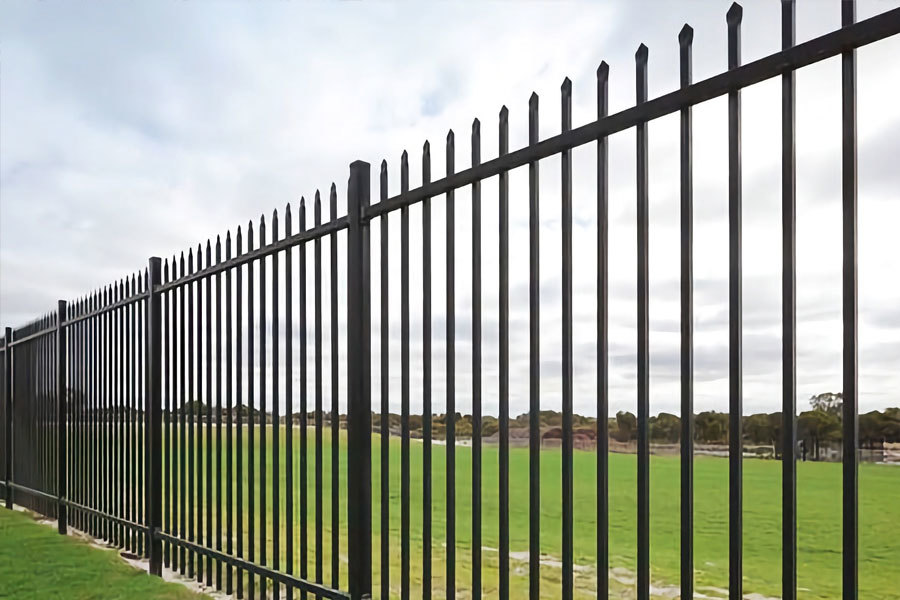
Palisade fences combine security and aesthetic appeal. They consist of vertical steel pales, providing a formidable barrier against intruders. This type of fencing is often used in high-security areas and can be customized to suit the specific needs of a facility.
3.4 Anti-Climb Fences
As the name suggests, anti-climb fences are designed to deter climbing. Their unique design incorporates features that make it difficult for intruders to scale them, thus significantly enhancing security. These fences are ideal for protecting sensitive areas in automated facilities.
4. Integrating Metal Fences with Automation Systems
Integrating metal fences with automation systems can significantly improve safety protocols. Automated access control systems can be combined with metal fencing to ensure that only authorized personnel can enter specific areas.
**Access control technologies**, such as RFID or biometric scanners, can be installed at entry points to eliminate human error. Additionally, integrating **motion sensors** and **security cameras** with fencing systems enhances monitoring capabilities, allowing facilities to respond quickly to potential breaches.
5. Benefits of Using Metal Fences for Automated Safety
The advantages of using metal fences in automated safety systems are numerous:
- **Durability and Strength**: Metal fences withstand harsh environmental conditions and resist wear and tear, ensuring long-term reliability.
- **Visibility**: Many metal fencing options provide clear sightlines, allowing for better monitoring of the facility's perimeter.
- **Customizability**: Metal fences can be tailored to meet specific security requirements, including height and additional features like barbed wire or electric fencing.
- **Integration with Technology**: Metal fences can be easily integrated with electronic security measures, enhancing safety protocols.
- **Cost-Effectiveness**: Investing in metal fencing provides long-lasting security, reducing the need for frequent replacements.
6. Best Practices for Installing and Maintaining Metal Fences
To ensure the effectiveness of metal fences in enhancing automated safety, it's vital to follow best practices for installation and maintenance.
**Installation Best Practices**:
- Engage with professional installers familiar with local regulations and safety standards.
- Ensure proper foundation work to enhance stability.
- Incorporate gates that align with the overall security strategy.
**Maintenance Best Practices**:
- Conduct regular inspections to identify signs of wear or damage.
- Clean fences to prevent corrosion and maintain aesthetics.
- Repair any damages promptly to uphold security standards.
7. Case Studies: Success Stories of Metal Fencing Integration
Examining successful implementations of metal fencing provides insights into its effectiveness in enhancing automated safety.
**Case Study 1: Manufacturing Plant**
A manufacturing facility faced challenges with unauthorized access to hazardous areas. By implementing welded wire fences combined with automated access control, the facility dramatically reduced instances of intrusions while ensuring the safety of its workforce.
**Case Study 2: Chemical Processing Facility**
In a chemical processing plant, the integration of anti-climb fences and surveillance systems created a fortified perimeter. This multi-layered security approach led to improved safety compliance and reduced risks of incidents.
8. Frequently Asked Questions about Metal Fences and Safety
**Q1: How do metal fences enhance automated safety?**
Metal fences serve as a physical barrier that, when integrated with automation technologies, creates secure zones that prevent unauthorized access and protect employees.
**Q2: What type of metal fence is best for my facility?**
The choice of metal fence depends on your specific security needs, budget, and environmental factors. Chain link is cost-effective, while palisade offers higher security.
**Q3: How often should metal fences be inspected?**
Regular inspections are recommended at least twice a year to identify any signs of wear, corrosion, or damage.
**Q4: Can metal fences be integrated with surveillance systems?**
Yes, metal fences can be integrated with surveillance cameras and motion detectors to enhance overall security.
**Q5: What maintenance is necessary for metal fences?**
Maintenance includes regular cleaning, inspections for damages, and prompt repairs to ensure longevity and effectiveness.
9. Conclusion
Incorporating metal fences into automated safety strategies is a vital step toward protecting both personnel and assets in industrial facilities. With various types of metal fencing available, facility managers can choose solutions that best fit their specific security needs while integrating these systems with cutting-edge automation technologies. Emphasizing safety through robust fencing not only enhances security but also fosters a culture of safety within the workplace, ultimately contributing to the facility's operational success.
Get A Quote
Note: Please leave your email address, our professionals will contact you as soon as possible!
Spotlight





Official Website
Hello, What can we do for you?
*Note: Please be sure to fill in the information accurately and keep the communication unblocked. We will contact you as soon as possible


