
Specializing In The Production Of Gabions, Fences, Sound Barriers, Protective Barriers And Other Products
Author:
Release Time:
Apr 14,2026
Designing with Safety in Mind: The Advantage of Woven Stone Cage Table of Contents Introduction: Why Safety Matters in Instrumentation What is a Woven Stone Cage? Benefits of Woven Stone Cages Durability and Strength Environmental Integration Safety Features Application Areas for Woven Stone Cages Indu
Designing with Safety in Mind: The Advantage of Woven Stone Cage
Table of Contents
- Introduction: Why Safety Matters in Instrumentation
- What is a Woven Stone Cage?
- Benefits of Woven Stone Cages
- Application Areas for Woven Stone Cages
- Design Considerations for Woven Stone Cages
- Installation and Maintenance of Woven Stone Cages
- Case Studies: Successful Implementations
- Future Trends in Woven Stone Cage Design
- Conclusion: Embracing Safety with Woven Stone Cages
- Frequently Asked Questions
Introduction: Why Safety Matters in Instrumentation
In today’s fast-paced industrial environment, safety is not merely a regulatory compliance issue; it is a core value that directly impacts the efficiency and success of operations. The integration of safety into design processes has never been more critical, particularly for automated instruments and equipment. As industries rely increasingly on complex machinery, the potential risks associated with malfunction or accidents escalate. This is where **woven stone cages** come into play. These innovative structures not only provide essential protection for instruments but also enhance their longevity and reliability.
What is a Woven Stone Cage?
A **woven stone cage**, often referred to as a gabion, is a structure composed of a wire mesh framework filled with stones or other materials. This design effectively combines aesthetic appeal with robust functionality. Woven stone cages can be employed to create barriers, support structures, or landscaping features. The configuration of the mesh allows for flexibility while maintaining the integrity of the filled materials, making them an ideal choice for various applications in the fields of instrumentation and automation.
Benefits of Woven Stone Cages
Woven stone cages offer numerous advantages that contribute to their growing popularity in industrial applications.
Durability and Strength
One of the primary benefits of woven stone cages is their exceptional durability. The combination of high-quality wire mesh and heavy stones provides resistance against environmental factors such as wind, rain, and temperature fluctuations. These structures can withstand significant force, making them ideal for protecting sensitive instruments and equipment in harsh conditions.
Environmental Integration
Woven stone cages seamlessly blend into natural landscapes, allowing for effective environmental integration. They can be designed to promote vegetation growth, facilitating erosion control and enhancing biodiversity. This feature is particularly beneficial in landscaping applications, where aesthetic considerations are paramount.
Safety Features
Safety is at the forefront of woven stone cage design. The robust construction minimizes the risk of structural failure, protecting both personnel and equipment. Additionally, the cages can be customized to meet specific safety standards, ensuring compliance with industry regulations. This adaptability makes woven stone cages an attractive option for various industries focused on safety.
Application Areas for Woven Stone Cages
Woven stone cages have a wide range of applications across different sectors, showcasing their versatility and effectiveness.
Industrial Use
In industrial settings, woven stone cages are often used to protect valuable machinery from external threats, such as falling debris or extreme weather conditions. Their ability to absorb impact makes them a reliable choice for safeguarding automated instruments and equipment.
Civil Engineering
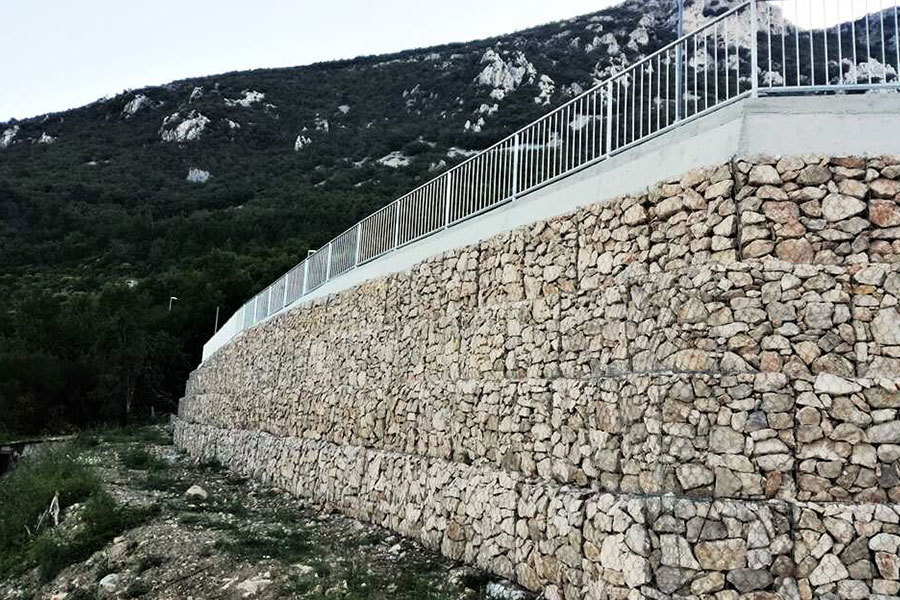
Civil engineering projects frequently utilize woven stone cages for retaining walls and erosion control. They provide structural support while allowing water to flow through, reducing the risk of flooding and soil erosion. Their flexible design accommodates ground movement, making them an essential element in modern civil engineering.
Landscaping
In landscaping applications, woven stone cages enhance aesthetic appeal while serving practical purposes. They can be used to create decorative walls, garden features, and even outdoor seating. Their natural appearance allows for creative designs that harmonize with surrounding elements.
Design Considerations for Woven Stone Cages
When designing woven stone cages, several factors must be taken into account to ensure optimal performance and safety.
- **Material Selection**: Choosing the right wire mesh and stones is crucial. The mesh must be corrosion-resistant, while the stones should be durable and appropriately sized for effective filling.
- **Dimensions and Configuration**: The size and shape of the cages should align with the intended application. Considerations such as load-bearing capacity and environmental conditions play a significant role in this decision.
- **Compliance with Standards**: Adhering to local safety regulations and industry standards is essential. Design specifications should be reviewed regularly to ensure ongoing compliance.
Installation and Maintenance of Woven Stone Cages
Proper installation and maintenance are vital for the longevity and effectiveness of woven stone cages.
- **Installation Guidelines**: Correct installation involves preparing the foundation, assembling the cages, and securely filling them with stones. It’s essential to follow manufacturer guidelines to achieve optimal stability.
- **Regular Inspections**: Routine inspections should be conducted to identify any signs of wear or structural damage. Early detection of potential issues can prevent costly repairs and enhance safety.
- **Cleaning and Upkeep**: Keeping the cages free of debris and vegetation is essential to maintain their structural integrity and aesthetic appeal. Regular maintenance ensures longevity and functionality.
Case Studies: Successful Implementations
Examining real-world examples can provide valuable insights into the successful application of woven stone cages.
- **Industrial Facility Protection**: A manufacturing facility implemented woven stone cages around sensitive machinery to protect against extreme weather conditions. The cages absorbed shock from high winds and prevented debris from damaging equipment, resulting in reduced downtime and maintenance costs.
- **Civil Engineering Project**: In a recent civil engineering project, woven stone cages were used to create a retaining wall that effectively controlled erosion along a riverbank. The structure not only fulfilled its functional purpose but also blended aesthetically with the surrounding natural landscape.
- **Landscaping Initiative**: A municipal landscaping initiative employed woven stone cages to create an attractive park feature. The cages supported native plant growth, promoting biodiversity while providing a visually appealing environment for community members.
Future Trends in Woven Stone Cage Design
As industries evolve, so too will the design and application of woven stone cages.
- **Sustainability**: A growing emphasis on sustainability will drive the development of eco-friendly materials for woven stone cages. Innovations in biodegradable mesh and recycled materials will enhance their environmental benefits.
- **Smart Technology Integration**: The integration of smart technology, such as sensors and monitoring systems, could revolutionize the way woven stone cages are utilized. Real-time data collection will enhance maintenance and performance tracking, ensuring optimal safety and efficiency.
- **Customizable Designs**: Increased demand for customized solutions will lead to more flexible design options, allowing for tailored applications in various industries.
Conclusion: Embracing Safety with Woven Stone Cages
Woven stone cages are transforming the landscape of safety in industrial instrumentation and automation. Their unique combination of durability, safety features, and aesthetic appeal positions them as an essential element in modern design. As industries continue to prioritize safety, the adoption of woven stone cages will only increase, ensuring protection for valuable instruments and promoting a safer working environment. By embracing these innovative structures, we pave the way for a future where safety and functionality coexist harmoniously.
Frequently Asked Questions
1. What materials are used in woven stone cages?
Woven stone cages are typically made from steel or galvanized wire mesh and filled with natural stones such as granite, limestone, or recycled materials.
2. How long do woven stone cages last?
With proper installation and maintenance, woven stone cages can last for several decades, depending on environmental conditions and the quality of materials used.
3. Are woven stone cages environmentally friendly?
Yes, woven stone cages can promote environmental sustainability by allowing vegetation growth and minimizing erosion. They can also be constructed from recycled materials.
4. Can woven stone cages be customized for specific applications?
Absolutely. Woven stone cages can be designed in various sizes and shapes to meet specific industry needs and project requirements.
5. How do I maintain woven stone cages?
Maintenance involves regular inspections, cleaning of debris, and monitoring for any signs of wear. Early detection of issues will help maintain their integrity and functionality.
Get A Quote
Note: Please leave your email address, our professionals will contact you as soon as possible!
Spotlight





Official Website
Hello, What can we do for you?
*Note: Please be sure to fill in the information accurately and keep the communication unblocked. We will contact you as soon as possible


