

Specializing In The Production Of Gabions, Fences, Sound Barriers, Protective Barriers And Other Products
Author:
Release Time:
Apr 16,2026
How Heavy Duty Defense Barriers Are Transforming Safety Protocols in Today's World Table of Contents Introduction to Heavy Duty Defense Barriers The Importance of Enhanced Safety Measures Types of Heavy Duty Defense Barriers Applications in Various Industries Technological Advancements in Barrier Design Challenges in Implementing Heavy Duty Barriers Future Trends in Defense Barrier Technology Con
How Heavy Duty Defense Barriers Are Transforming Safety Protocols in Today's World
Table of Contents
- Introduction to Heavy Duty Defense Barriers
- The Importance of Enhanced Safety Measures
- Types of Heavy Duty Defense Barriers
- Applications in Various Industries
- Technological Advancements in Barrier Design
- Challenges in Implementing Heavy Duty Barriers
- Future Trends in Defense Barrier Technology
- Conclusion
- Frequently Asked Questions
Introduction to Heavy Duty Defense Barriers
In an era marked by increasing threats to public safety, **heavy-duty defense barriers** have emerged as a crucial component in safeguarding communities and infrastructure. These robust structures are designed to withstand significant impacts, providing a first line of defense against various hazards, including terrorist attacks, vehicular assaults, and natural disasters. The strategic implementation of these barriers not only enhances security but also promotes a sense of safety among the populace.
The Importance of Enhanced Safety Measures
As urban environments grow more complex, the need for comprehensive safety solutions has never been more critical. Heavy-duty defense barriers play a vital role in:
- **Protecting High-Risk Areas**: Key locations such as government buildings, airports, and public gatherings are often prime targets for malicious activities. Barriers create a physical deterrent that can prevent unauthorized access and mitigate potential threats.
- **Enhancing Emergency Response**: In the event of an incident, these barriers can help control the flow of traffic and facilitate quicker emergency response by directing vehicles and pedestrians away from danger zones.
- **Promoting Public Confidence**: The presence of visible security measures can reassure the public, fostering a sense of safety and stability in everyday life.
Types of Heavy Duty Defense Barriers
Heavy-duty defense barriers come in various forms, each tailored to address specific security needs and environments. Understanding these types is essential for effective implementation:
1. Active Barriers
Active barriers are dynamic structures that can be deployed or retracted as needed. Examples include:
- **Retractable Bollards**: Ideal for controlling access to sensitive areas, these bollards can rise or lower based on security requirements.
- **Crash-rated Gates**: Designed to withstand substantial impacts, these gates are often used in critical infrastructures, such as military bases and corporate headquarters.
2. Passive Barriers
Passive barriers are permanent fixtures that provide ongoing protection without operational management. Examples include:
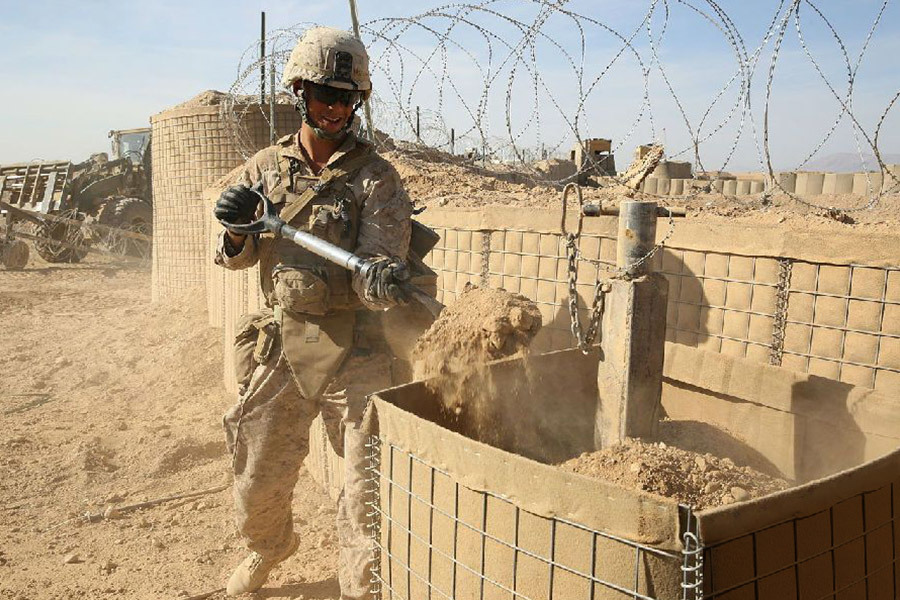
- **Concrete Blast Walls**: Commonly found in military installations, these walls are designed to absorb and deflect explosive forces.
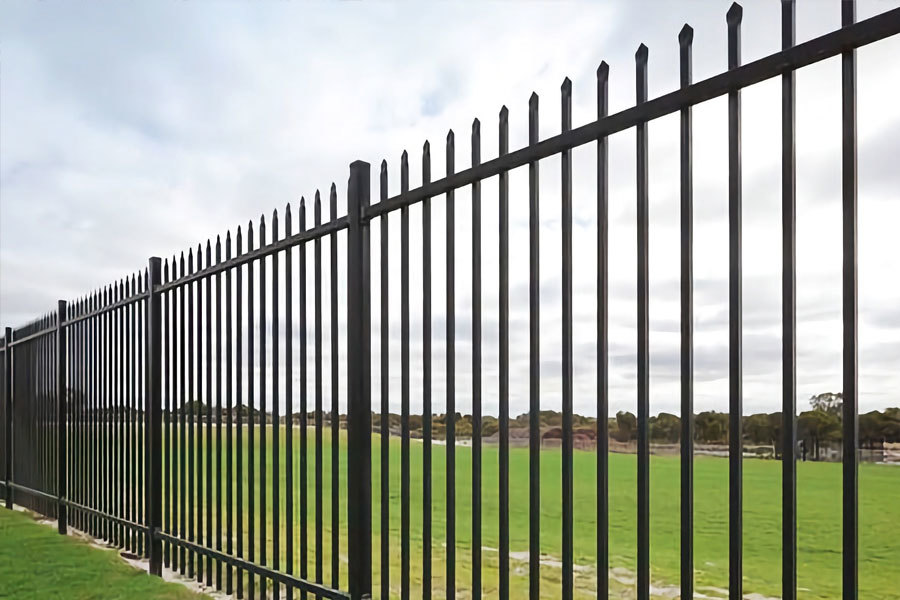
- **Fencing Systems**: High-security fences, often topped with barbed wire or designed to be climb-resistant, act as a deterrent while marking boundaries.
3. Environmental Barriers
These barriers serve dual purposes, combining safety with ecological benefits. Examples include:
- **Noise Barriers**: Often used along highways, these structures not only protect against sound pollution but can also serve as a physical barrier against potential vehicle threats.
- **Landscape Features**: Features such as berms and vegetation can provide a natural barrier, enhancing security while promoting biodiversity.
Applications in Various Industries
Heavy-duty defense barriers are utilized across multiple sectors, highlighting their versatility and importance:
1. Government and Military
In government installations and military bases, barriers serve as critical components in perimeter security. They protect against unauthorized access and potential attacks, ensuring operations can continue securely.
2. Transportation and Infrastructure
Airports, train stations, and bus terminals are often vulnerable to security threats. Heavy-duty barriers help manage access points, protect passengers, and secure sensitive areas.
3. Events and Public Gatherings
During large public events, heavy-duty barriers help control crowd flow and protect attendees from potential threats. Their strategic placement can create safe zones and ensure emergency services can operate effectively.
4. Commercial Properties
Businesses, especially those in high-risk areas, utilize barriers to protect their assets and employees. Retail stores, banks, and corporate offices often deploy barriers as part of their overall security strategy.
Technological Advancements in Barrier Design
The field of defense barriers has seen significant technological advancements that enhance their effectiveness and adaptability:
1. Smart Barriers
Integrating sensors and IoT technology, smart barriers can provide real-time data regarding security breaches, environmental conditions, and structural integrity. This allows for proactive management and rapid response to threats.
2. Modular Designs
Modern barriers are often designed to be modular, allowing for easy customization and scalability. This flexibility enables organizations to adapt their security measures based on evolving threats.
3. Sustainable Materials
More manufacturers are turning to eco-friendly materials that not only provide robust defense but also align with sustainability goals. These materials can withstand impacts while minimizing environmental damage.
Challenges in Implementing Heavy Duty Barriers
Despite their benefits, deploying heavy-duty defense barriers comes with challenges that must be carefully managed:
1. Cost Considerations
The initial investment for high-quality barriers can be significant. Organizations must weigh the costs against the potential risks and benefits, often requiring a comprehensive risk assessment.
2. Aesthetic Concerns
In urban settings, the visual impact of barriers can be a concern. Authorities need to balance security needs with public aesthetics to ensure community acceptance.
3. Maintenance Requirements
Regular maintenance is essential to ensure barriers remain effective. This includes inspections, repairs, and upgrades to adapt to new threats or changes in technology.
Future Trends in Defense Barrier Technology
As security threats continue to evolve, so too will the technology surrounding heavy-duty defense barriers:
1. Increased Automation
The trend toward automation will likely lead to barriers that can operate independently, enhancing response times during emergencies.
2. Integration with Smart Cities
As cities become smarter, the integration of barriers with urban management systems will allow for more coordinated security efforts, improving overall public safety.
3. Enhanced Data Analytics
The use of data analytics will provide insights into barrier performance and effectiveness, allowing organizations to refine their security strategies based on actionable intelligence.
Conclusion
Heavy-duty defense barriers are reshaping the safety landscape, offering innovative solutions that enhance security across various sectors. Their robust design, combined with advancements in technology, makes them indispensable tools for protecting communities and infrastructure. As we move into an increasingly uncertain future, the continued evolution of these barriers will play a crucial role in maintaining safety and resilience.
Frequently Asked Questions
1. What are heavy-duty defense barriers made of?
Heavy-duty defense barriers are typically constructed from materials like reinforced concrete, steel, and advanced composites to ensure maximum durability and impact resistance.
2. How effective are crash-rated barriers?
Crash-rated barriers are designed to withstand specific impact forces. Their effectiveness is evaluated through rigorous testing, ensuring they meet safety standards for various applications.
3. Can heavy-duty barriers be customized for specific needs?
Yes, many manufacturers offer customizable options for heavy-duty barriers, allowing organizations to tailor designs based on their unique security requirements and environmental considerations.
4. Are there portable options for defense barriers?
Yes, there are portable heavy-duty barriers that can be deployed as needed for temporary events or emergencies, providing flexibility in security management.
5. What role do heavy-duty barriers play in disaster response?
In disaster scenarios, heavy-duty barriers can help control access to affected areas, protect emergency responders, and create safe zones for those displaced by the event.
Get A Quote
Note: Please leave your email address, our professionals will contact you as soon as possible!
Spotlight






Official Website
Hello, What can we do for you?
*Note: Please be sure to fill in the information accurately and keep the communication unblocked. We will contact you as soon as possible


