
Specializing In The Production Of Gabions, Fences, Sound Barriers, Protective Barriers And Other Products
Author:
Release Time:
Apr 23,2026
Understanding the Construction of Welded Stone Cages for Safety Table of Contents Introduction to Welded Stone Cages What Are Welded Stone Cages? Materials Used in Welded Stone Cages Design Principles for Safety in Welded Stone Cages The Construction Process of Welded Stone Cages Installation Techniques for Optimal Safety Maintenance of Welded Stone Cages for Longevity
Understanding the Construction of Welded Stone Cages for Safety
Table of Contents
- Introduction to Welded Stone Cages
- What Are Welded Stone Cages?
- Materials Used in Welded Stone Cages
- Design Principles for Safety in Welded Stone Cages
- The Construction Process of Welded Stone Cages
- Installation Techniques for Optimal Safety
- Maintenance of Welded Stone Cages for Longevity
- Applications of Welded Stone Cages in Various Industries
- Conclusion
- Frequently Asked Questions
Introduction to Welded Stone Cages
Welded stone cages, also known as gabions, are structures made from welded wire mesh filled with stones. They are increasingly popular in construction and civil engineering due to their versatile applications and ability to enhance safety. In this article, we will explore the construction of welded stone cages, their benefits, materials, design principles, and applications in various industries.
What Are Welded Stone Cages?
Welded stone cages are rigid structures formed by attaching wire mesh to create a cage-like framework. These cages are then filled with stones or other materials to provide stability and strength. The combination of wire mesh and stone creates an effective barrier that can withstand various environmental challenges.
Welded stone cages are commonly used in erosion control, slope stabilization, and as protective barriers. They offer a sustainable solution for managing soil erosion and improving landscape aesthetics while ensuring safety in construction zones.
Materials Used in Welded Stone Cages
Understanding the materials used in welded stone cages is essential for construction professionals. The primary materials include:
1. Welded Wire Mesh
Welded wire mesh is the backbone of welded stone cages. It is made from high-tensile steel wires, ensuring durability and strength. The mesh is typically galvanized or coated with protective materials to prevent corrosion and extend its lifespan.
2. Filling Stones
The selection of filling stones plays a critical role in the stability and function of the cage. Ideal filling materials include granite, limestone, or river stones. The size and shape of these stones must be carefully considered to ensure they fit snugly within the cage, maximizing structural integrity.
3. Additional Materials
Depending on the application, additional materials such as geotextiles or drainage pipes may be incorporated into the design. These materials enhance drainage and prevent soil erosion, further improving safety.
Design Principles for Safety in Welded Stone Cages
When constructing welded stone cages, adhering to design principles is crucial for ensuring safety and longevity. Key considerations include:
1. Load-Bearing Capacity
The design must account for the load-bearing capacity required for the specific application. Factors such as soil type, weight of filling materials, and environmental pressures must be assessed to avoid structural failures.
2. Stability and Slope Design
Proper slope design is essential to prevent sliding or collapsing. The angle of repose should be considered in conjunction with the height and width of the cage to maintain stability.
3. Erosion Control
Incorporating erosion control measures within the design helps protect the surrounding environment and maintain the integrity of the welded stone cage. Utilizing vegetation, geotextiles, or drainage systems can enhance overall effectiveness.
The Construction Process of Welded Stone Cages
The construction of welded stone cages involves several steps to ensure quality and safety:
1. Site Preparation
Before construction begins, the site must be evaluated and prepared. This includes clearing debris, leveling the ground, and assessing drainage patterns.
2. Fabrication of Cages
Welded wire mesh is cut and shaped into the desired dimensions to create the cages. Care should be taken to ensure that the welding process is completed correctly to avoid weaknesses in the mesh.
3. Filling the Cages
Once the cages are fabricated, they are filled with selected stones. It is crucial to compact the stones properly to avoid settling, which can compromise the structure's integrity.
4. Securing and Positioning
The filled cages must be securely positioned in place, ensuring they align with the design specifications. This may involve anchoring the cages to the ground or adjacent structures.
Installation Techniques for Optimal Safety
Effective installation techniques are vital for maximizing the safety and functionality of welded stone cages. Key techniques include:
1. Anchoring
Cages should be anchored securely to prevent displacement during extreme weather or seismic events. This may involve using rods, chains, or other anchoring systems.
2. Proper Placement
Careful placement of the cages ensures they are positioned correctly concerning the intended use. This may involve strategic positioning along slopes, retaining walls, or riverbanks.
3. Quality Control
Ongoing quality control checks during installation are essential to ensure compliance with safety standards. This includes inspecting the integrity of the wire mesh and the compaction of filling materials.
Maintenance of Welded Stone Cages for Longevity
To ensure the longevity and effectiveness of welded stone cages, regular maintenance is required. Key maintenance practices include:
1. Inspections
Regular inspections should be conducted to identify any signs of wear, corrosion, or structural damage. Early detection can prevent more severe issues down the line.
2. Cleaning
Removing debris and vegetation from the cages is crucial for maintaining drainage and preventing erosion. Regular cleaning helps to ensure the overall effectiveness of the structure.
3. Repairs
Any damaged sections of the wire mesh or dislodged stones should be repaired promptly to maintain structural integrity. This may involve re-welding mesh or replacing stones as needed.
Applications of Welded Stone Cages in Various Industries
Welded stone cages have a wide range of applications across various industries. Some notable uses include:
1. Civil Engineering
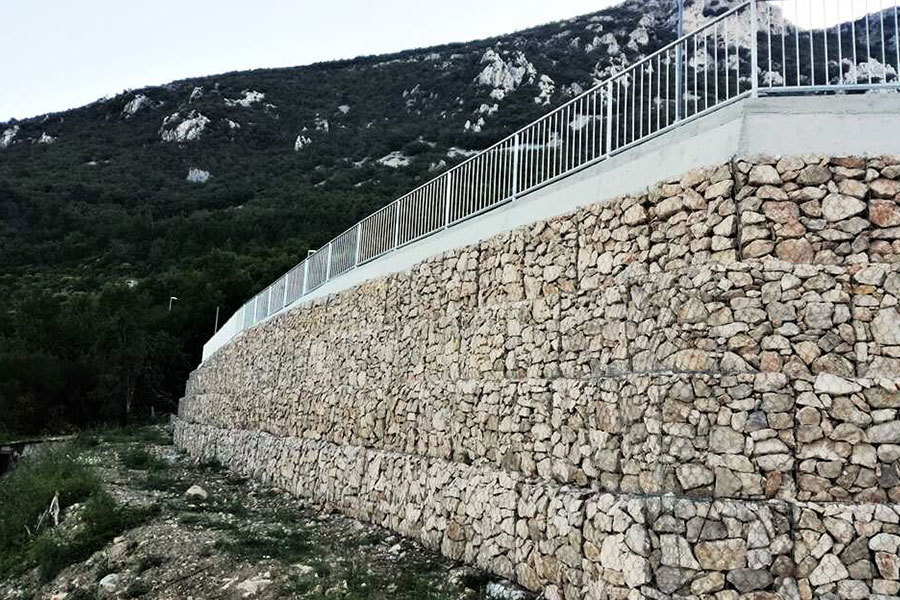
In civil engineering projects, welded stone cages are often used for retaining walls, erosion control, and slope stabilization. Their ability to withstand environmental pressures makes them a reliable choice.
2. Landscaping
In landscaping, these cages are utilized to create aesthetically pleasing features while providing functional benefits such as erosion control and soil retention.
3. Environmental Protection
Welded stone cages are also employed in environmental protection efforts, such as creating barriers in flood-prone areas or stabilizing riverbanks to prevent erosion.
Conclusion
Welded stone cages represent a versatile and effective solution for ensuring safety and stability in various construction and civil engineering applications. By understanding the materials, design principles, construction processes, and maintenance practices, professionals can create structures that not only meet safety standards but also contribute to environmental protection and aesthetic appeal. Implementing these insights effectively will enhance project outcomes and promote long-term sustainability.
Frequently Asked Questions
1. What are the main benefits of using welded stone cages?
Welded stone cages provide enhanced stability, erosion control, and aesthetic appeal in various applications. They are durable and can withstand harsh environmental conditions.
2. How long do welded stone cages last?
With proper maintenance and care, welded stone cages can last for several decades. Regular inspections and timely repairs are essential for longevity.
3. Can welded stone cages be used in flood-prone areas?
Yes, welded stone cages are effective in flood-prone areas as they can help stabilize banks and prevent soil erosion.
4. What materials are best for filling welded stone cages?
Granite, limestone, and river stones are commonly used for filling welded stone cages due to their durability and stability.
5. How do I maintain my welded stone cages?
Regular inspections, cleaning, and timely repairs are essential for maintaining welded stone cages. Keeping them clear of debris and assessing for signs of damage will ensure their effectiveness.
Get A Quote
Note: Please leave your email address, our professionals will contact you as soon as possible!
Spotlight





Official Website
Hello, What can we do for you?
*Note: Please be sure to fill in the information accurately and keep the communication unblocked. We will contact you as soon as possible


