
Specializing In The Production Of Gabions, Fences, Sound Barriers, Protective Barriers And Other Products
Author:
Release Time:
Apr 30,2026
Understanding the Construction of Woven Stone Cage for Optimal Safety In today’s rapidly evolving industrial landscape, safety is paramount. One of the most effective solutions for ensuring safety in various applications is the woven stone cage. This article explores the construction of woven stone cages, their benefits, materials used, and applications. By the end of this piece, we will have a co
Understanding the Construction of Woven Stone Cage for Optimal Safety
In today’s rapidly evolving industrial landscape, safety is paramount. One of the most effective solutions for ensuring safety in various applications is the woven stone cage. This article explores the construction of woven stone cages, their benefits, materials used, and applications. By the end of this piece, we will have a comprehensive understanding of how to construct these vital safety structures optimally.
Table of Contents
1. What is a Woven Stone Cage?
2. Historical Background and Evolution of Woven Stone Cages
3. Key Benefits of Woven Stone Cages
4. Materials Used in Woven Stone Cage Construction
4.1 Types of Stones
4.2 Types of Wire
5. Designing a Woven Stone Cage
5.1 Structural Considerations
5.2 Aesthetic Considerations
6. Step-by-Step Guide to Building a Woven Stone Cage
7. Applications of Woven Stone Cages
8. Best Practices for Maintaining Woven Stone Cages
9. Frequently Asked Questions (FAQs)
10. Conclusion
1. What is a Woven Stone Cage?
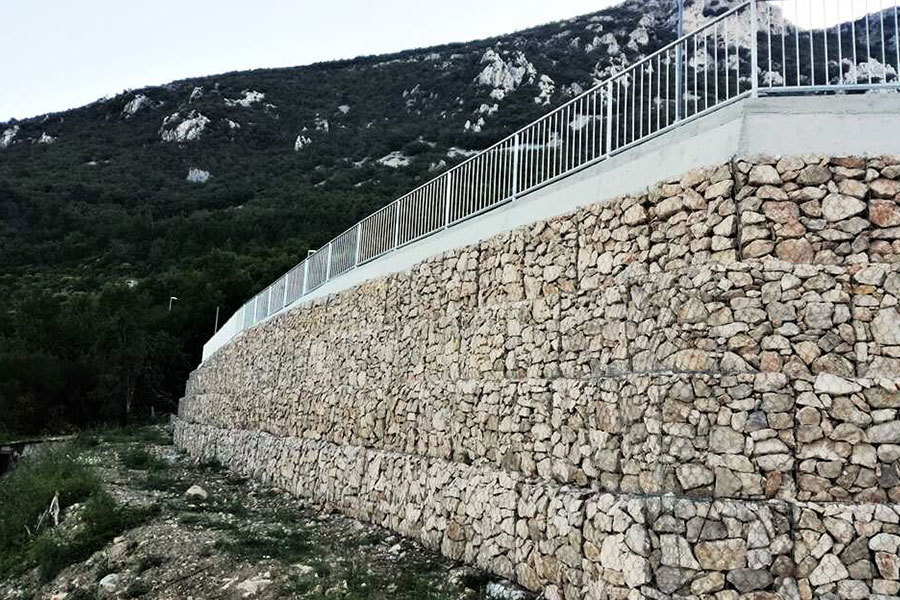
A woven stone cage, often referred to as a gabion, is a structure made from a series of interconnected baskets filled with stones. These cages are designed to retain soil, prevent erosion, and provide stability in various environments. Beyond their functional benefits, woven stone cages can also serve aesthetic purposes, blending harmoniously with natural landscapes.
2. Historical Background and Evolution of Woven Stone Cages
The use of woven stone cages dates back centuries, originally utilized by ancient civilizations for fortification and erosion control. The Romans, for example, employed this technique to build sturdy structures along riverbanks. Over time, the design and application of woven stone cages have evolved, leading to their widespread use in modern construction and landscaping.
3. Key Benefits of Woven Stone Cages
Woven stone cages offer numerous advantages, making them an optimal choice for various applications:
- **Erosion Control**: These structures effectively manage water flow and stabilize soil, preventing erosion in vulnerable areas.
- **Flood Management**: By creating barriers, woven stone cages can mitigate flooding risks in susceptible regions.
- **Cost-Effectiveness**: Compared to traditional retaining walls, woven stone cages are often more economical due to the use of locally sourced materials.
- **Aesthetic Appeal**: When designed thoughtfully, these cages can enhance the visual appeal of landscapes and urban areas.
4. Materials Used in Woven Stone Cage Construction
The construction of woven stone cages relies heavily on the selection of appropriate materials. Below, we detail the primary components involved in building these structures.
4.1 Types of Stones
Choosing the right type of stone is crucial for the durability and effectiveness of the woven stone cage. Common stone types include:
- **Granite**: Known for its hardness and durability, granite is ideal for high-stress applications.
- **Limestone**: Widely available and easy to work with, limestone is a popular choice for landscaping projects.
- **River Rocks**: These rounded stones provide a natural look and are effective in erosion control.
4.2 Types of Wire
The wire used to construct the cage must be resilient and corrosion-resistant. Common options include:
- **Galvanized Steel Wire**: This wire is coated with zinc to prevent rust, making it a popular choice for outdoor applications.
- **PVC-Coated Wire**: This type of wire combines durability with a colorful finish, enhancing the aesthetic of the woven stone cage.
5. Designing a Woven Stone Cage
The design phase is critical to the success of any woven stone cage. Factors to consider include structural stability and aesthetic appeal.
5.1 Structural Considerations
Ensuring that the woven stone cage can withstand environmental stressors is imperative. Key aspects to consider include:
- **Height and Width**: The dimensions of the cage must be appropriate for its intended purpose.
- **Reinforcement**: Additional support may be necessary for taller structures to prevent collapse.
5.2 Aesthetic Considerations
While functionality is crucial, the visual aspect cannot be overlooked. To enhance aesthetics:
- **Color Selection**: Choose stones that complement the surrounding landscape.
- **Shape Variation**: Incorporating different shapes and sizes of stones can create an interesting visual effect.
6. Step-by-Step Guide to Building a Woven Stone Cage
Constructing a woven stone cage requires careful planning and execution. Follow these steps to build one successfully:
1. **Site Preparation**: Clear the area where the cage will be constructed, ensuring a level base.
2. **Material Sourcing**: Gather the necessary stones and wire, ensuring they meet the required specifications.
3. **Frame Construction**: Assemble the wire frame, forming the desired shape and size of the cage.
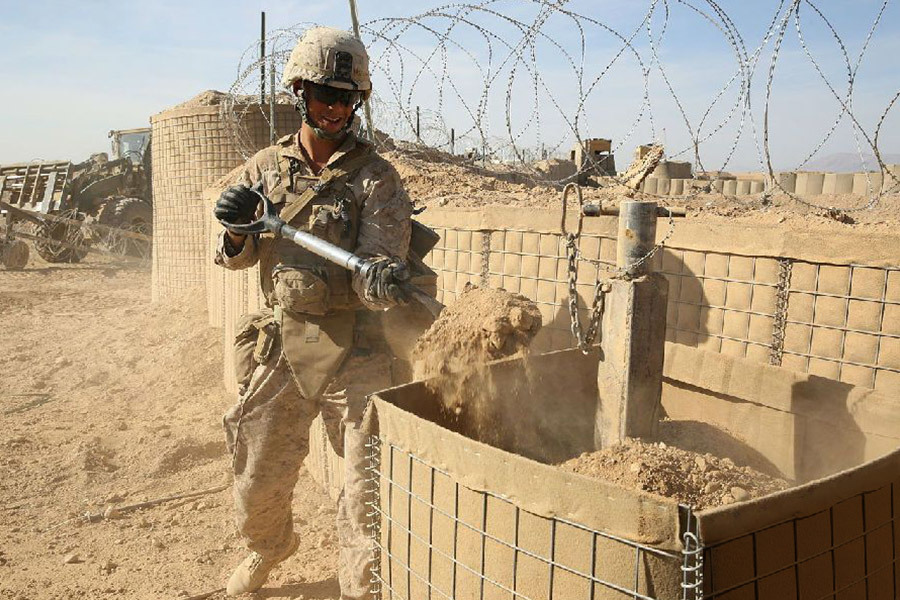
4. **Stone Filling**: Begin filling the cage with stones, ensuring they are packed tightly for stability.
5. **Securing the Cage**: Once filled, secure the top of the cage with additional wire to keep the stones in place.
6. **Final Adjustments**: Inspect the cage for stability and make any necessary adjustments.
7. Applications of Woven Stone Cages
Woven stone cages are versatile structures that find applications in various fields:
- **Civil Engineering**: Used for retaining walls and bank stabilization.
- **Environmental Protection**: Effective in controlling erosion along riverbanks and shorelines.
- **Landscaping**: Serve as decorative features in gardens and parks.
- **Construction**: Utilized as temporary structures during building projects to manage soil and water.
8. Best Practices for Maintaining Woven Stone Cages
To ensure the longevity and effectiveness of woven stone cages, regular maintenance is essential. Here are some best practices:
- **Regular Inspections**: Periodically check for signs of damage or erosion.
- **Weed Control**: Remove vegetation that may compromise the integrity of the structure.
- **Replenishing Stones**: Over time, some stones may shift or become displaced; replenishing them as necessary maintains stability.
9. Frequently Asked Questions (FAQs)
**Q1: How long do woven stone cages last?**
A1: With proper maintenance, woven stone cages can last for decades, providing durable support.
**Q2: Can I build a woven stone cage myself?**
A2: Yes, with the right tools and materials, building a woven stone cage can be a manageable DIY project.
**Q3: Are woven stone cages environmentally friendly?**
A3: Yes, they utilize natural materials and can help prevent erosion and promote biodiversity.
**Q4: What is the typical cost of building a woven stone cage?**
A4: Costs can vary widely depending on materials and size, but they are generally more cost-effective than traditional retaining walls.
**Q5: Can woven stone cages be used in areas with high water flow?**
A5: Yes, but additional design considerations may be necessary to ensure stability in high-flow areas.
10. Conclusion
Understanding the construction of woven stone cages is essential for anyone involved in construction, landscaping, or environmental management. These structures offer unparalleled benefits in terms of safety, durability, and aesthetic appeal. By following best practices in design and maintenance, we can create woven stone cages that not only meet functional requirements but also enhance the beauty of our surroundings. Embracing this construction method ensures optimal safety in various applications, contributing to sustainable development and environmental protection.
Get A Quote
Note: Please leave your email address, our professionals will contact you as soon as possible!
Spotlight





Official Website
Hello, What can we do for you?
*Note: Please be sure to fill in the information accurately and keep the communication unblocked. We will contact you as soon as possible


