
Specializing In The Production Of Gabions, Fences, Sound Barriers, Protective Barriers And Other Products
Author:
Release Time:
May 14,2026
Metal Fences and Compliance: Meeting Safety Standards in Automation Table of Contents 1. Introduction to Metal Fences in Automation 2. The Importance of Compliance in Automation 3. Key Regulatory Standards for Metal Fences 4. Types of Metal Fences Used in Automation 5. Design Considerations for Metal Fences 6. Installation Guidelines for Compliance 7. Maintenance Pract
Metal Fences and Compliance: Meeting Safety Standards in Automation
Table of Contents
- 1. Introduction to Metal Fences in Automation
- 2. The Importance of Compliance in Automation
- 3. Key Regulatory Standards for Metal Fences
- 4. Types of Metal Fences Used in Automation
- 5. Design Considerations for Metal Fences
- 6. Installation Guidelines for Compliance
- 7. Maintenance Practices for Safety Compliance
- 8. Case Studies: Successful Implementation of Metal Fences
- 9. Conclusion
- 10. Frequently Asked Questions
1. Introduction to Metal Fences in Automation
In today's rapidly advancing industrial landscape, **metal fences** serve as a critical component to ensure safety within automation environments. Automation technologies have revolutionized industries by enhancing productivity and efficiency; however, they have also introduced new safety challenges. Properly installed and compliant metal fencing solutions are essential for protecting both personnel and equipment from potential hazards.
2. The Importance of Compliance in Automation
Compliance with safety standards is not just a regulatory obligation; it is a vital aspect of operational excellence. Adhering to these standards mitigates risks associated with automation, such as unauthorized access to hazardous areas and the potential for accidents. A robust safety framework that includes metal fencing can significantly reduce liability and foster a culture of safety in the workplace.
2.1 Risk Mitigation through Compliance
Understanding the risks associated with automation is crucial. Automated systems often work with heavy machinery and hazardous materials, making safety compliance paramount. Metal fences help establish secure boundaries, ensuring only authorized personnel can access sensitive areas.
2.2 Enhancing Operational Efficiency
In addition to improving safety, compliance can enhance operational efficiency. By minimizing safety incidents, businesses can reduce downtime and maintain consistent output levels. This ultimately leads to improved profitability and reputation.
3. Key Regulatory Standards for Metal Fences
Navigating the landscape of safety regulations can be complex. Various organizations establish standards to ensure safety in automation environments. Key regulatory standards applicable to metal fences include:
3.1 OSHA Regulations
The Occupational Safety and Health Administration (OSHA) sets forth regulations that focus on worker safety. Compliance with OSHA standards is mandatory for any business operating in the United States. Metal fences must be designed to prevent unauthorized access to areas where hazardous activities take place.
3.2 ANSI Standards
The American National Standards Institute (ANSI) provides guidelines for safety practices in automated environments. ANSI standards can dictate the minimum height, material strength, and design specifications for metal fencing.
3.3 Local and International Codes
It is also essential to consider local and international building codes, which may impose additional requirements for the installation and maintenance of metal fences.
4. Types of Metal Fences Used in Automation
Metal fences come in various types and designs, each serving specific purposes in automation settings. Understanding the different types can aid in selecting the most suitable option for safety compliance.
4.1 Chain-Link Fences
Chain-link fences are versatile and widely used in industrial settings. They provide visibility while offering a barrier against unauthorized access. When properly installed, they can comply with many safety regulations.
4.2 Welded Wire Fences
Welded wire fences offer a higher level of security and durability than chain-link fences. They are typically used in areas requiring robust protection against intruders or environmental hazards.
4.3 Palisade Fences
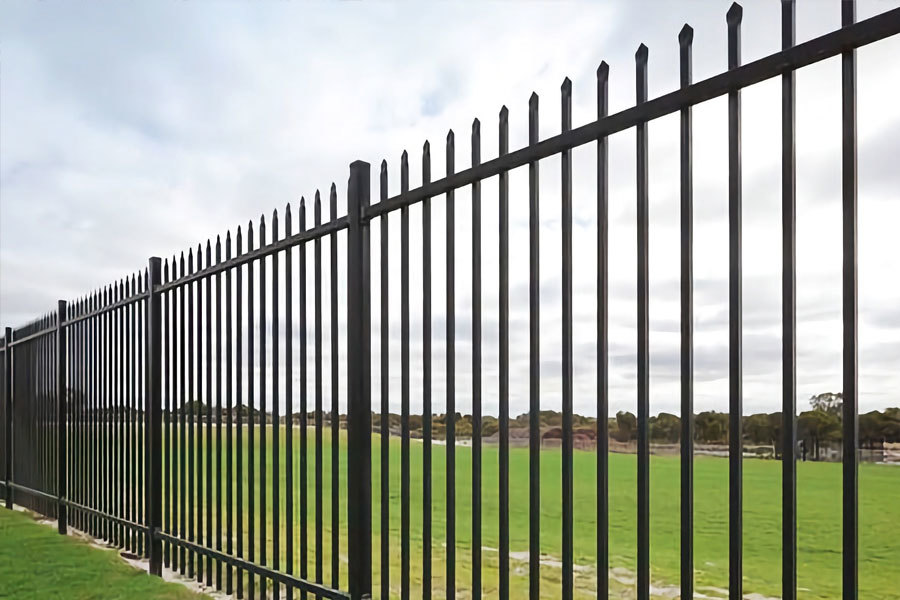
Palisade fences are characterized by their vertical steel pales, which provide excellent security while maintaining aesthetics. They are commonly used in high-security environments, such as power plants and chemical processing facilities.
4.4 Specialty Fences
Certain applications may require specialized fencing solutions, such as anti-climb fences or electrically charged fences, to deter unauthorized access effectively.
5. Design Considerations for Metal Fences
Designing metal fences for automation environments involves multiple considerations to ensure that they meet safety standards and operational requirements.
5.1 Height and Visibility
The height of the fence is a critical factor in its effectiveness. Generally, a height of 6 to 8 feet is recommended to deter unauthorized access. At the same time, visibility should not be compromised; clear sightlines can help monitor for potential breaches.
5.2 Durability and Material Selection
Choosing the right materials is important for ensuring the longevity and effectiveness of metal fences. Galvanized steel or powder-coated options can withstand harsh environmental conditions while maintaining structural integrity.
5.3 Access Control Features
Incorporating access control features, such as gates and locks, is essential for enhancing security. Automated gates can provide controlled access to designated personnel while maintaining safety standards.
6. Installation Guidelines for Compliance
Proper installation of metal fences is crucial to achieving compliance with safety standards.
6.1 Site Assessment
Before installation, conduct a thorough site assessment to identify potential hazards and determine the best location for the fence. Consider factors such as terrain, existing infrastructure, and proximity to potential hazards.
6.2 Professional Installation
Engaging professional installers with experience in safety compliance is essential. They will ensure that the fence meets all regulatory requirements and is installed correctly for maximum effectiveness.
6.3 Documentation and Inspection
After installation, maintain thorough documentation of all compliance measures taken, and schedule regular inspections to ensure ongoing adherence to safety standards.
7. Maintenance Practices for Safety Compliance
Regular maintenance is necessary to uphold the integrity and compliance of metal fences.
7.1 Routine Inspections
Establish a routine inspection schedule to identify any wear and tear, damage, or potential compliance issues. Early detection can prevent costly repairs and safety incidents.
7.2 Regular Repairs
Conduct any necessary repairs promptly to maintain the fence's structural integrity. This includes fixing damaged sections, tightening loose fittings, and replacing broken locks.
7.3 Documentation of Maintenance Activities
Keep a record of all maintenance activities, including inspections and repairs, to demonstrate compliance during audits or inspections by regulatory bodies.
8. Case Studies: Successful Implementation of Metal Fences
Examining real-world applications can provide valuable insights into the effective use of metal fences in automation environments.
8.1 Case Study 1: Manufacturing Facility
A large manufacturing facility faced challenges with unauthorized access and safety compliance. By implementing a combination of welded wire fences and automated gates, they were able to secure hazardous areas, resulting in a 30% reduction in safety incidents.
8.2 Case Study 2: Chemical Processing Plant
At a chemical processing plant, the installation of palisade fences provided a high level of security while ensuring compliance with OSHA regulations. This strategic move led to improved employee confidence in safety practices and lowered insurance premiums.
9. Conclusion
In conclusion, the implementation of **metal fences** in automation environments is not merely a matter of preference; it is a necessity for meeting safety compliance standards. By understanding the importance of compliance, adhering to regulatory requirements, selecting the appropriate type of metal fencing, and ensuring proper installation and maintenance, businesses can protect their personnel and assets effectively. Investing in high-quality metal fences fosters a safer work environment and enhances operational efficiency, ultimately leading to long-term success.
10. Frequently Asked Questions
10.1 What are the main benefits of using metal fences in automation?
Metal fences provide physical barriers against unauthorized access, enhance safety compliance, and foster a secure work environment.
10.2 How do I determine the right type of metal fence for my facility?
Consider your specific needs, including the level of security required, environmental conditions, and compliance with local regulations.
10.3 Are there specific regulations I need to follow for metal fences?
Yes, regulations from organizations like OSHA and ANSI outline safety standards that must be adhered to when installing metal fences in automation environments.
10.4 How often should I inspect my metal fences for compliance?
Routine inspections should be conducted at least quarterly, or more frequently in high-risk areas, to ensure ongoing compliance and safety.
10.5 Can I install metal fences myself, or should I hire a professional?
While DIY installation is possible, hiring professionals with experience in safety compliance is recommended to ensure proper installation and adherence to all regulations.
Get A Quote
Note: Please leave your email address, our professionals will contact you as soon as possible!
Spotlight





Official Website
Hello, What can we do for you?
*Note: Please be sure to fill in the information accurately and keep the communication unblocked. We will contact you as soon as possible


