
Specializing In The Production Of Gabions, Fences, Sound Barriers, Protective Barriers And Other Products
Author:
Release Time:
Dec 24,2025
Understanding the Benefits of Weave Gabion in Safety Barriers Table of Contents 1. Introduction to Weave Gabion Technology 2. What Are Gabions? 3. Key Benefits of Weave Gabions in Safety Barriers 3.1 Durability and Longevity 3.2 Environmental Sustainability 3.3 Cost-Effectiveness 3.4 Aesthetic Appeal 4. Applica
Understanding the Benefits of Weave Gabion in Safety Barriers
Table of Contents
- 1. Introduction to Weave Gabion Technology
- 2. What Are Gabions?
- 3. Key Benefits of Weave Gabions in Safety Barriers
- 3.1 Durability and Longevity
- 3.2 Environmental Sustainability
- 3.3 Cost-Effectiveness
- 3.4 Aesthetic Appeal
- 4. Applications of Weave Gabions in Safety Barriers
- 5. Design Considerations for Weave Gabion Barriers
- 6. Installation Process of Weave Gabion Barriers
- 7. Maintenance of Gabion Barriers
- 8. Frequently Asked Questions (FAQs)
- 9. Conclusion
1. Introduction to Weave Gabion Technology
Weave gabion technology represents a significant advancement in the field of safety barriers, merging functionality with environmental considerations. These structures, typically made from wire mesh filled with stones, soil, or other materials, are used widely in various applications, ranging from erosion control to flood protection. Understanding the benefits of weave gabions can enhance the safety standards of infrastructure projects significantly.
2. What Are Gabions?
Gabions are wire mesh cages filled with rocks, concrete, or other materials, forming a sturdy barrier. Traditionally used in civil engineering for retaining walls, riverbank stabilization, and landscaping, they have evolved into versatile safety solutions in various sectors. The term "weave gabion" refers specifically to the design of the wire mesh that allows for increased flexibility and structural integrity.
3. Key Benefits of Weave Gabions in Safety Barriers
3.1 Durability and Longevity
One of the primary benefits of using weave gabions in safety barriers is their exceptional durability. These structures can withstand harsh environmental conditions, including extreme weather events. The choice of robust materials ensures that weave gabions maintain their structural integrity over time, reducing the need for frequent repairs and replacements. They can effectively resist erosion, making them an ideal choice for locations prone to flooding or soil movement.
3.2 Environmental Sustainability
Weave gabions are inherently environmentally friendly. They can be filled with locally sourced materials, minimizing transportation emissions and costs. Additionally, the use of natural stones promotes biodiversity by allowing vegetation to thrive within and around the gabion structures. This eco-friendly aspect is becoming increasingly crucial in today’s construction practices, as more projects aim to achieve sustainability certifications.
3.3 Cost-Effectiveness
When considering the life cycle of a safety barrier, weave gabions stand out as a cost-effective solution. Their longevity and low maintenance requirements translate into significant savings over time. The initial investment may be comparable to other materials, but the extended lifespan and reduced need for upkeep make them a financially sound choice for developers and municipalities alike.
3.4 Aesthetic Appeal
Weave gabions offer a unique aesthetic that can enhance the visual appeal of public spaces and infrastructure. The natural stone fillings can be customized to match the surrounding environment, contributing to a harmonious blend with nature. Additionally, the possibility of incorporating vegetation into the design enhances their attractiveness and can even promote local wildlife habitats.
4. Applications of Weave Gabions in Safety Barriers
Weave gabions can be utilized in various applications, significantly enhancing safety across different sectors.
4.1 Erosion Control
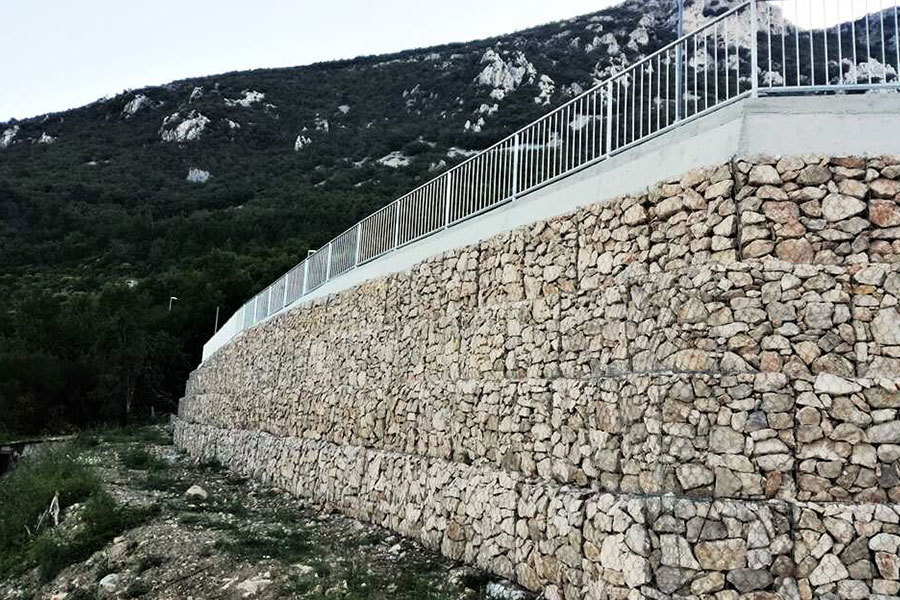
Weave gabions are extensively used in erosion control measures, particularly along riverbanks and coastlines. Their design allows for water permeability, enabling natural drainage while providing a sturdy barrier against soil displacement.
4.2 Flood Protection
In areas prone to flooding, weave gabions serve as effective flood barriers. Their robust construction can withstand the force of rushing water, protecting properties and infrastructure from water damage.
4.3 Road and Highway Safety
Weave gabions can be strategically placed alongside roads and highways to prevent soil erosion and protect against landslides. Their ability to absorb shock makes them ideal for this application, ensuring the safety of drivers and pedestrians alike.
4.4 Landscaping and Aesthetic Enhancements
Beyond safety, weave gabions are becoming popular in landscaping projects. They can create visually appealing structures, such as seating areas, garden walls, and terraces, while also serving functional purposes.
5. Design Considerations for Weave Gabion Barriers
When designing weave gabion barriers, several critical factors must be taken into consideration:
5.1 Material Selection
The choice of wire mesh and filling material significantly impacts the performance and longevity of the gabion. High-quality galvanized or PVC-coated steel wire is recommended to prevent corrosion and enhance durability.
5.2 Structural Design
The design must consider local soil conditions, water flow patterns, and environmental factors. Engaging with civil and structural engineers during the design phase ensures that the barriers are adequate for the intended application.
5.3 Size and Configuration
The size and configuration of weave gabions should align with the specific safety requirements. Proper sizing ensures that they effectively manage forces, whether from water, soil, or human activity.
6. Installation Process of Weave Gabion Barriers
Installing weave gabion barriers requires careful planning and execution.
6.1 Site Preparation
Before installation, the site must be cleared and leveled to provide a stable foundation for the gabions.
6.2 Assembly of Gabions
Weave gabions usually arrive in flat-pack form, which requires assembly on-site. Proper assembly is crucial for ensuring that the barriers are structurally sound.
6.3 Filling the Gabions
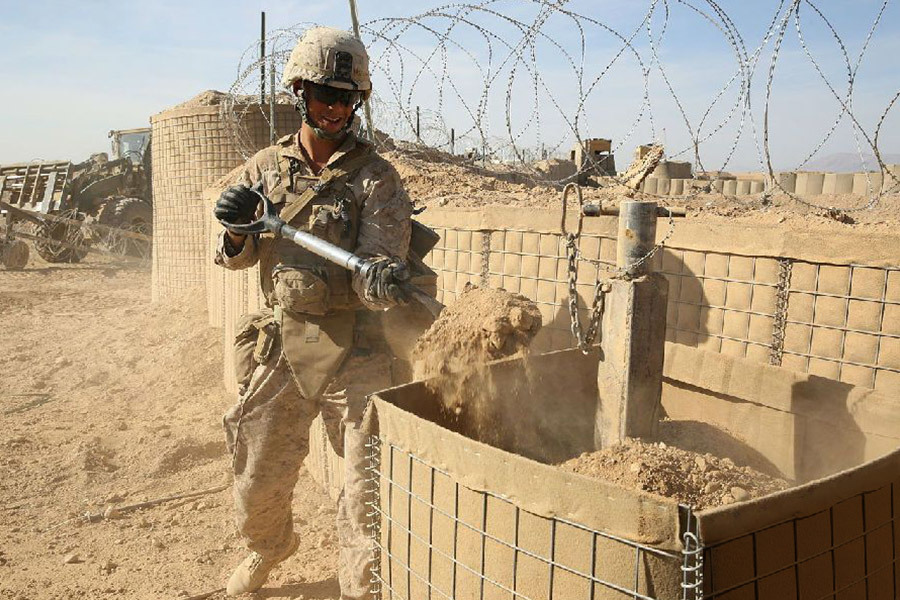
Once assembled, the gabions need to be filled with selected materials. It’s essential to ensure even distribution and proper compaction of the filling materials for optimal performance.
6.4 Securing Gabions in Place
After filling, the lids of the gabions should be securely fastened to prevent spillage of the filling materials. Additionally, anchoring the gabions into the ground may be necessary to enhance stability.
7. Maintenance of Gabion Barriers
While weave gabions are relatively low-maintenance, periodic checks are essential to ensure their continued effectiveness.
7.1 Regular Inspections
Regular inspections should be conducted to assess the structural integrity of the wire mesh and the condition of the filling materials.
7.2 Cleaning Debris
Removing accumulated debris from the surface of the gabions is essential for preventing blockages and ensuring that water can drain effectively.
7.3 Addressing Damage
Any damage to the wire mesh or shifting of the filling materials should be addressed immediately to maintain the barrier’s safety features.
8. Frequently Asked Questions (FAQs)
What materials can be used to fill weave gabions?
Weave gabions can be filled with a variety of materials, including natural stones, recycled concrete, and even soil or sand, depending on the intended application and aesthetic preferences.
How long do weave gabion barriers last?
With proper installation and maintenance, weave gabion barriers can last for several decades, making them a long-term investment for safety projects.
Are weave gabions environmentally friendly?
Yes, they are environmentally friendly as they can be filled with locally sourced materials and promote biodiversity by supporting vegetation growth.
Can I install weave gabions myself?
While it is possible for individuals to install weave gabions, professional installation is recommended to ensure that they are assembled and filled correctly for optimal performance.
Do weave gabions require a lot of maintenance?
Weave gabions are low-maintenance structures, requiring periodic inspections and minor cleaning to ensure their effectiveness, but they do not need frequent repairs.
9. Conclusion
The advantages of weave gabions in safety barriers are undeniable. Their durability, environmental sustainability, cost-effectiveness, and aesthetic appeal make them an ideal choice for modern infrastructure projects. By understanding and leveraging these benefits, we can enhance safety standards and create more resilient communities. Investing in weave gabion technology not only secures our infrastructure but also promotes a healthier environment, paving the way for a sustainable future.
Get A Quote
Note: Please leave your email address, our professionals will contact you as soon as possible!
Spotlight





Official Website
Hello, What can we do for you?
*Note: Please be sure to fill in the information accurately and keep the communication unblocked. We will contact you as soon as possible


