
Specializing In The Production Of Gabions, Fences, Sound Barriers, Protective Barriers And Other Products
Author:
Release Time:
Dec 30,2025
Why Choose Welded Stone Cages for Enhanced Safety Solutions Table of Contents Introduction to Welded Stone Cages Benefits of Welded Stone Cages Understanding Material Quality Design Advantages of Welded Stone Cages Applications of Welded Stone Cages Installation Process for Welded Stone Cages Maintenance Tips for Longevity Welded Stone Cages vs. Other Safety Solutions Frequent
Why Choose Welded Stone Cages for Enhanced Safety Solutions
Table of Contents
- Introduction to Welded Stone Cages
- Benefits of Welded Stone Cages
- Understanding Material Quality
- Design Advantages of Welded Stone Cages
- Applications of Welded Stone Cages
- Installation Process for Welded Stone Cages
- Maintenance Tips for Longevity
- Welded Stone Cages vs. Other Safety Solutions
- Frequently Asked Questions
- Conclusion
Introduction to Welded Stone Cages
Welded stone cages, also known as gabions, are structures made from wire mesh filled with stones or other materials. They serve various purposes, including erosion control, retaining walls, and safety barriers. Their design and construction provide incredible durability, making them an increasingly popular choice for both industrial and residential safety solutions. In this guide, we will delve into the comprehensive benefits of these structures and why they excel in providing enhanced safety.
Benefits of Welded Stone Cages
Welded stone cages offer several key benefits that make them an ideal choice for safety solutions. Below are some of the most noteworthy advantages:
Durability and Longevity
When it comes to safety, durability is paramount. Welded stone cages are constructed to withstand harsh environmental conditions, from extreme weather to heavy impacts. The use of high-quality materials ensures that they remain functional and effective for many years, minimizing the need for costly replacements.
Cost-Effectiveness
In the long run, welded stone cages can save money. Their low maintenance requirements and prolonged lifespan mean that the initial investment pays off significantly over time. Additionally, their versatility allows them to be utilized in various applications, further maximizing their value.
Environmental Sustainability
Welded stone cages can be filled with locally sourced materials, such as natural stones, which minimizes the carbon footprint associated with transportation. Their use also promotes sustainable practices by preventing soil erosion and enhancing landscape integrity.
Versatility in Design
These cages can be customized to fit a variety of designs, making them suitable for different safety needs. Their adaptability allows for creative solutions that can blend seamlessly into the surrounding environment while providing robust safety features.
Understanding Material Quality
The material used in the construction of welded stone cages directly influences their performance and reliability. Typically, high-tensile wire is utilized to fabricate these cages, which ensures a strong and stable framework that can withstand considerable weight and pressure. Additionally, the quality of the stones used as infill plays a significant role in the cage's effectiveness. Selecting durable, weather-resistant stones is essential for maximizing longevity.
Design Advantages of Welded Stone Cages
The design of welded stone cages is carefully engineered to enhance safety and stability. The following features contribute to their effectiveness and reliability:
Robust Structural Integrity
The welded construction of these cages provides exceptional strength. Unlike traditional wire mesh cages, which may have vulnerabilities at the joints, welded designs eliminate points of weakness, enhancing overall structural integrity.
Fluid Drainage Capabilities
Welded stone cages are designed to allow water to flow freely through them, preventing the buildup of hydrostatic pressure. This feature is crucial in areas prone to heavy rainfall, where water accumulation can lead to structural failures in conventional barriers.
Customizable Dimensions
Welded stone cages can be manufactured in various sizes and shapes to meet specific needs. This flexibility makes them ideal for a wide range of applications, from small garden projects to large-scale industrial installations.
Applications of Welded Stone Cages
Welded stone cages are used in a variety of settings, showcasing their versatility and effectiveness. Some common applications include:
Retaining Walls
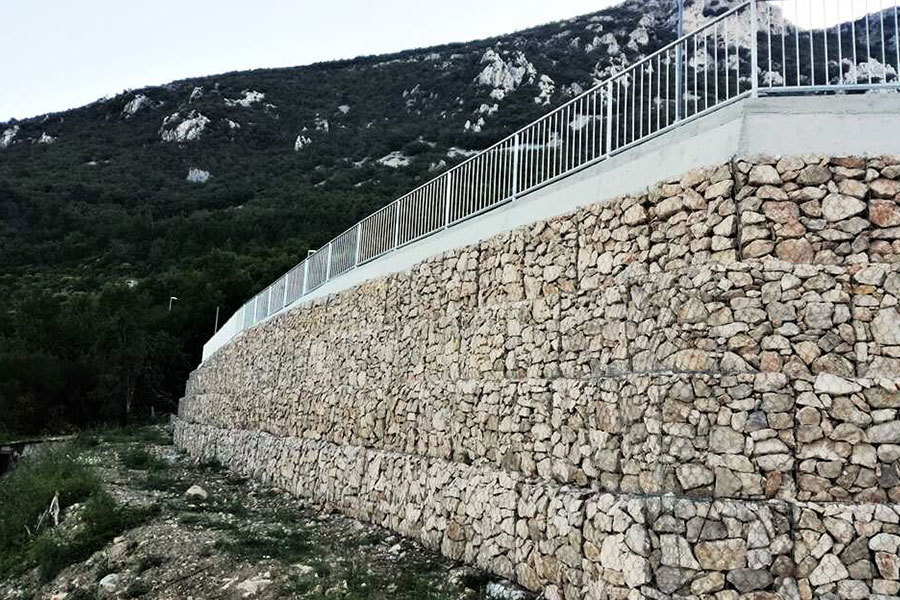
Welded stone cages are often employed as retaining walls, providing structural support while preventing soil erosion. Their ability to manage water drainage helps maintain the integrity of the landscape.
Riverbank Protection
In flood-prone areas, welded stone cages serve as excellent barriers to protect riverbanks from erosion. Their robust design allows them to absorb the impact of flowing water, safeguarding the surrounding environment.
Noise Barriers
In urban settings, welded stone cages can be filled with stones or other materials to create effective noise barriers. These structures not only reduce sound pollution but also enhance the aesthetic appeal of the area.
Safety Barriers
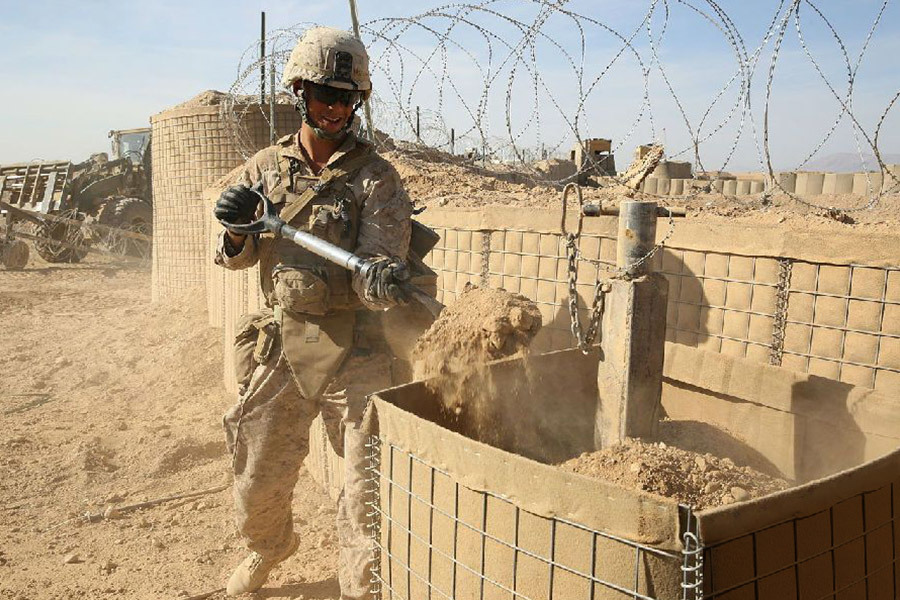
Welded stone cages are frequently used as safety barriers around construction sites or hazardous areas. Their solid structure ensures that unauthorized access is effectively restricted.
Installation Process for Welded Stone Cages
Installing welded stone cages requires careful planning and execution to ensure effectiveness. Here’s a step-by-step guide:
Site Preparation
Begin by assessing the site where the welded stone cages will be installed. Clear any debris, vegetation, or obstacles that could impede construction.
Foundation Laying
Create a solid foundation to support the cages. Depending on the application, this may involve excavating and leveling the ground to ensure uniform contact with the cage base.
Cage Assembly
Assemble the welded stone cages according to the specified dimensions. Ensure that all joints are securely welded, creating a stable structure.
Filling with Stones
Once the cages are in place, fill them with high-quality stones. Ensure that the stones are packed tightly to enhance stability and prevent shifting over time.
Finishing Touches
Finally, inspect the installation for any signs of vulnerability. Add drainage features if necessary, and ensure that the cages are securely anchored to prevent movement during environmental stress.
Maintenance Tips for Longevity
To maximize the lifespan of welded stone cages, regular maintenance is essential. Here are a few crucial tips:
Routine Inspections
Conduct regular inspections to identify any signs of wear or damage. Early detection can prevent minor issues from escalating into significant problems.
Cleaning and Debris Removal
Keep the cages free from debris and vegetation that may hinder drainage or create pressure points. Regular cleaning helps maintain their integrity and functionality.
Repairing Damages
Address any damage promptly. If any wires are showing signs of corrosion or if stones have shifted, take corrective actions to reinforce the structure.
Welded Stone Cages vs. Other Safety Solutions
When comparing welded stone cages to other safety solutions, several factors come into play:
Flexibility vs. Rigidity
Welded stone cages offer unparalleled flexibility in design and application, unlike traditional concrete barriers, which are often rigid and less adaptable.
Cost-Effectiveness
While upfront costs may differ, the long-term savings associated with the lower maintenance needs of welded stone cages make them a more economical choice when compared to other safety solutions.
Environmental Impact
Welded stone cages are often more environmentally friendly than alternatives like plastic barriers, primarily due to their use of natural materials and ability to promote drainage and vegetation growth.
Frequently Asked Questions
What are welded stone cages made of?
Welded stone cages are typically made from high-tensile wire mesh that is welded together to form a sturdy frame. They are filled with stones or other materials, providing stability and strength.
Can welded stone cages be used in residential areas?
Yes, welded stone cages can be effectively used in residential areas for applications such as retaining walls, garden borders, and decorative features.
How long do welded stone cages last?
With proper installation and maintenance, welded stone cages can last for several decades, making them a long-term safety solution.
Are welded stone cages easy to install?
While installation requires careful planning and some labor, welded stone cages can be relatively straightforward to install, especially with the right tools and materials.
Do welded stone cages require maintenance?
Yes, regular maintenance is recommended to ensure their longevity. This includes routine inspections, debris removal, and repairs as needed.
Conclusion
Welded stone cages provide an exceptional solution for enhancing safety in various environments. Their durability, versatility, and cost-effectiveness make them a superior choice for both residential and industrial applications. By understanding the benefits and proper installation of these structures, you can ensure that your safety solutions are not only effective but also sustainable and aesthetically pleasing. Embrace the advantages of welded stone cages and elevate your safety measures today.
Get A Quote
Note: Please leave your email address, our professionals will contact you as soon as possible!
Spotlight





Official Website
Hello, What can we do for you?
*Note: Please be sure to fill in the information accurately and keep the communication unblocked. We will contact you as soon as possible


