
Specializing In The Production Of Gabions, Fences, Sound Barriers, Protective Barriers And Other Products
Author:
Release Time:
Dec 31,2025
Why Choose Heavy Duty Defense Barriers for Ultimate Security? Introduction to Heavy-Duty Defense Barriers In an increasingly unpredictable world, the need for **robust security measures** has never been more critical. Heavy-duty defense barriers stand at the forefront of security solutions, designed to provide **maximum protection** against various threats. Whether it's protecting a government f
Why Choose Heavy Duty Defense Barriers for Ultimate Security?
Introduction to Heavy-Duty Defense Barriers
In an increasingly unpredictable world, the need for **robust security measures** has never been more critical. Heavy-duty defense barriers stand at the forefront of security solutions, designed to provide **maximum protection** against various threats. Whether it's protecting a government facility, an industrial site, or a public event, these barriers offer a blend of strength, durability, and reliability.
The Importance of Security in Today's Environment
As we navigate through an era marked by rising concerns over security breaches, organizations and individuals alike are searching for effective ways to safeguard their assets. Heavy-duty barriers are indispensable in this quest, providing a physical deterrent against unauthorized access and potential hazards.
Understanding Heavy-Duty Defense Barriers
Heavy-duty defense barriers are engineered to withstand significant impact and resist various forms of attacks. They are constructed from materials such as reinforced steel or composite polymers, ensuring they can effectively block vehicles and deter intruders.
Key Features of Heavy-Duty Barriers
1. **Impact Resistance**: Designed to absorb and deflect force, minimizing damage and ensuring the safety of individuals nearby.
2. **Durability**: Made to endure harsh environmental conditions without compromising structural integrity.
3. **Versatility**: Suitable for a range of applications, including military installations, airports, corporate buildings, and public events.
4. **Quick Deployment**: Many heavy-duty barriers can be rapidly deployed, offering immediate protection when it’s most needed.
Applications of Heavy-Duty Defense Barriers
The versatility of heavy-duty defense barriers allows for their use in various scenarios, reinforcing security in multiple sectors.
1. Industrial Facilities
Heavy-duty barriers play a crucial role in protecting industrial sites from unauthorized access and potential sabotage. Their presence deters intruders and provides peace of mind to employees and stakeholders.
2. Government and Military Sites
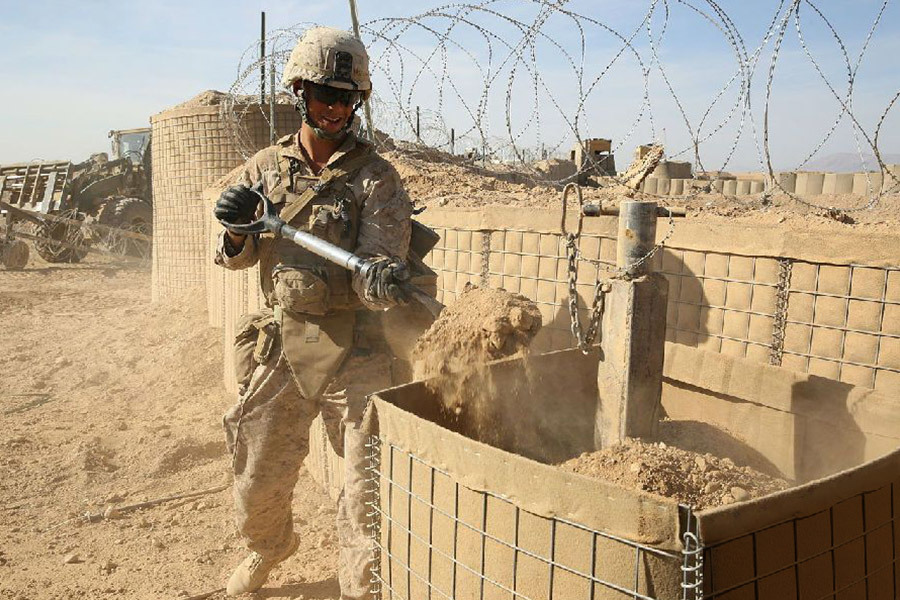
High-security areas, such as military bases and government buildings, require advanced protective measures. Heavy-duty defense barriers provide a formidable line of defense against potential attacks or breaches.
3. Public Events and Gatherings
At concerts, festivals, and public gatherings, heavy-duty barriers are essential for crowd control and ensuring the safety of attendees. They create secure perimeters that help manage large crowds and prevent unauthorized access.
4. Transportation Hubs
Airports, train stations, and bus terminals benefit from heavy-duty barriers that protect against vehicle-ramming attacks and unauthorized entry. These measures enhance the overall security infrastructure of transportation hubs.
Benefits of Choosing Heavy-Duty Defense Barriers
Selecting heavy-duty defense barriers comes with numerous benefits that far outweigh the initial investment.
1. Enhanced Safety and Security
The primary function of heavy-duty barriers is to enhance safety. By effectively preventing unauthorized access, they significantly reduce the risk of theft, vandalism, and more severe security threats.
2. Cost-Effective Long-Term Solution
While the upfront costs may appear high, the long-term savings associated with reduced security incidents and insurance premiums make heavy-duty barriers a wise investment.
3. Low Maintenance Requirements
Heavy-duty barriers are built to last, requiring minimal maintenance compared to lighter alternatives. Their durability ensures that they remain effective over time with less frequent repairs or replacements.
4. Customization Options
Many manufacturers offer customization options, allowing organizations to tailor barriers to fit specific needs, whether it’s adjusting height, color, or additional features like automated systems.
Installation and Maintenance of Heavy-Duty Defense Barriers
Proper installation and maintenance are crucial for ensuring the effectiveness of heavy-duty defense barriers.
Installation Process
Installing heavy-duty barriers typically involves site assessment, design planning, and professional installation. Experts ensure that barriers are positioned effectively to maximize protection.
Routine Maintenance and Inspections
Conducting regular inspections and maintenance helps identify potential issues early on, ensuring barriers remain in optimal condition. Simple tasks like cleaning and checking for structural damage can prolong the life of the barriers.
Choosing the Right Heavy-Duty Defense Barrier for Your Needs
Selecting the appropriate barrier involves understanding specific needs and assessing various options available on the market.
1. Assess Your Security Needs
Identify the primary threats your site faces. Is it more vulnerable to vehicle intrusions, or are you more concerned about unauthorized pedestrian access? Your answers will guide your selection process.
2. Material Considerations
Materials used in barrier construction can significantly affect performance. Reinforced steel offers excellent impact resistance, while composite materials may provide lighter options without sacrificing strength.
3. Budget Constraints
While it is essential to invest in security, consider your budget. Weigh the cost against the potential risks and losses from inadequate protection.
4. Consult with Experts
Engaging with security professionals can provide insights into the best solutions for your specific requirements, ensuring you make an informed decision.
FAQs About Heavy-Duty Defense Barriers
1. What are heavy-duty defense barriers made of?
Heavy-duty defense barriers are typically constructed from materials like reinforced steel, concrete, or high-strength composite polymers to provide maximum impact resistance.
2. Can heavy-duty barriers be customized?
Yes, many manufacturers offer customization options, allowing you to adjust features like height, width, and color to meet specific security needs.
3. How effective are heavy-duty barriers against vehicle attacks?
Heavy-duty defense barriers are designed to withstand significant impact, making them highly effective in preventing vehicle ramming attacks.
4. What maintenance do heavy-duty barriers require?
Routine inspections, cleaning, and checks for structural integrity are essential for maintaining the effectiveness of heavy-duty barriers.
5. Where are heavy-duty barriers typically installed?
They are commonly used in industrial facilities, government installations, military bases, airports, and at public events to enhance security.
Conclusion
In a world where security threats are increasingly prevalent, investing in heavy-duty defense barriers is an intelligent decision. Their robust design, versatility, and effectiveness in various applications make them a cornerstone of modern security measures. By choosing heavy-duty defense barriers, organizations not only safeguard their assets but also provide a safer environment for employees and the public. The commitment to security and protection is paramount, and with heavy-duty barriers, you can ensure ultimate peace of mind.
Get A Quote
Note: Please leave your email address, our professionals will contact you as soon as possible!
Spotlight






Official Website
Hello, What can we do for you?
*Note: Please be sure to fill in the information accurately and keep the communication unblocked. We will contact you as soon as possible


