
Specializing In The Production Of Gabions, Fences, Sound Barriers, Protective Barriers And Other Products
Author:
Release Time:
Jan 20,2026
The Versatility of Metal Fences in Industrial Automation Industrial automation is a rapidly evolving field, where efficiency, safety, and reliability are paramount. One of the often-overlooked elements that contribute significantly to these aspects is **metal fencing**. Metal fences serve various roles in industrial settings, from securing equipment to delineating hazardous zones. In this article,
The Versatility of Metal Fences in Industrial Automation
Industrial automation is a rapidly evolving field, where efficiency, safety, and reliability are paramount. One of the often-overlooked elements that contribute significantly to these aspects is **metal fencing**. Metal fences serve various roles in industrial settings, from securing equipment to delineating hazardous zones. In this article, we will delve into the multifaceted benefits of metal fences in industrial automation, examining their applications, advantages, maintenance, and the future of this essential component.
Table of Contents
- 1. Understanding Metal Fences in Industrial Automation
- 2. Benefits of Metal Fences in Industrial Settings
- 3. Types of Metal Fences Used in Automation
- 4. Applications of Metal Fences in Industrial Automation
- 5. Installation and Maintenance of Metal Fences
- 6. Future Trends in Metal Fencing for Automation
- 7. Safety Regulations and Compliance in Fencing
- 8. FAQs About Metal Fences in Industrial Automation
- 9. Conclusion
1. Understanding Metal Fences in Industrial Automation
Metal fences are structural barriers primarily made from various metals, including steel, aluminum, and wrought iron. In the context of industrial automation, these fences play a pivotal role in enhancing safety, managing access, and improving operational efficiency. They are designed to withstand harsh environmental conditions, making them suitable for various industrial applications.
The versatility of metal fences is rooted in their ability to adapt to different operational needs. They can be customized in terms of height, thickness, and design to cater to specific industrial requirements. This adaptability ensures that businesses can implement the most effective safety measures without compromising functionality.
2. Benefits of Metal Fences in Industrial Settings
The following are the key benefits that metal fences bring to industrial automation:
Enhanced Security
Metal fences provide robust security by acting as a physical barrier against unauthorized access. This is particularly important in environments where valuable machinery and sensitive processes are involved. High-security options, such as chain-link fences with barbed wire or solid metal panels, offer additional protection.
Improved Safety
In industrial settings, safety is a critical concern. Metal fences help delineate hazardous areas, preventing accidental entry by personnel or unauthorized vehicles. This ensures that safety protocols are adhered to, reducing the risk of accidents and injuries.
Durability and Longevity
Metal fences boast remarkable durability, able to withstand various environmental stresses. Unlike wooden fences, which can rot or decay over time, metal fences resist rusting and corrosion when properly treated. This longevity makes them a cost-effective investment for industrial facilities.
Low Maintenance Requirements
Metal fences require minimal maintenance compared to other fencing materials. Regular inspections and occasional painting or treatment are typically sufficient to keep metal fences in optimal condition, allowing businesses to focus on their core operations rather than fence upkeep.
Customizable Solutions
Every industrial facility is unique, and metal fences can be tailored to meet specific requirements. Options for customization include height, design, and additional features such as gates and access control systems, ensuring that the fencing solution aligns perfectly with operational needs.
3. Types of Metal Fences Used in Automation
Various types of metal fences are suitable for industrial automation, each offering distinct advantages. Below are some common fencing options:
Chain-Link Fences
Chain-link fences are among the most popular choices in industrial settings. They provide visibility while offering a strong barrier against intrusions. These fences can be topped with barbed wire for additional security.
Welded Wire Fences
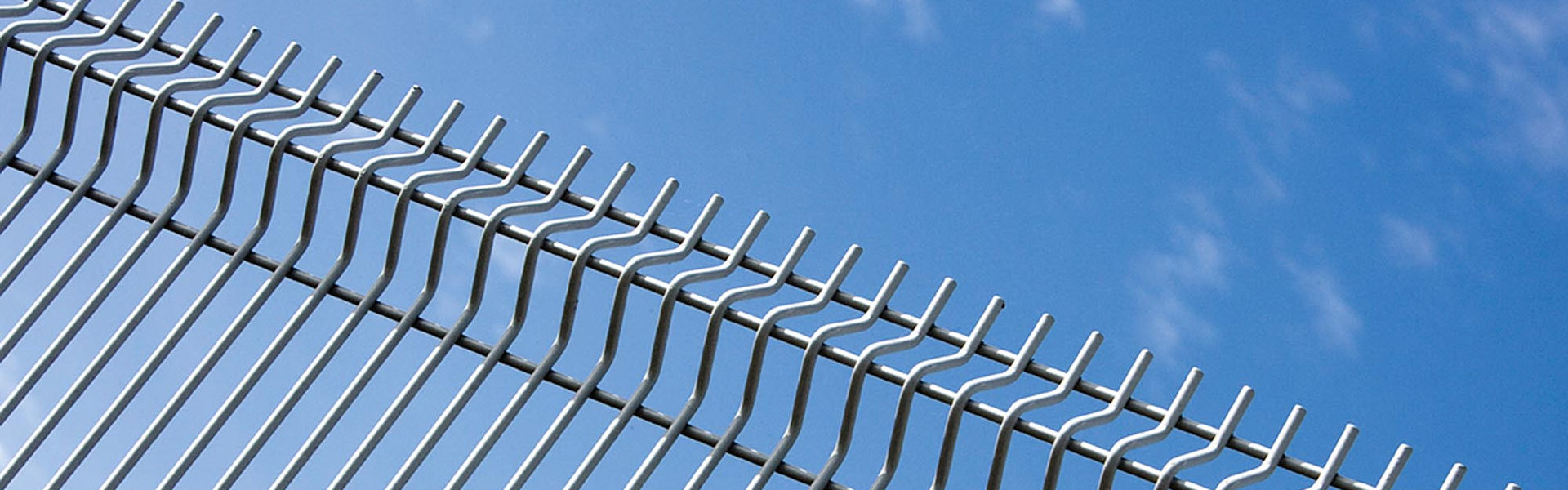
Welded wire fences consist of horizontal and vertical wires that are welded together, providing a sturdy and tamper-resistant barrier. They are effective for securing machinery and sensitive areas.
Ornamental Metal Fences
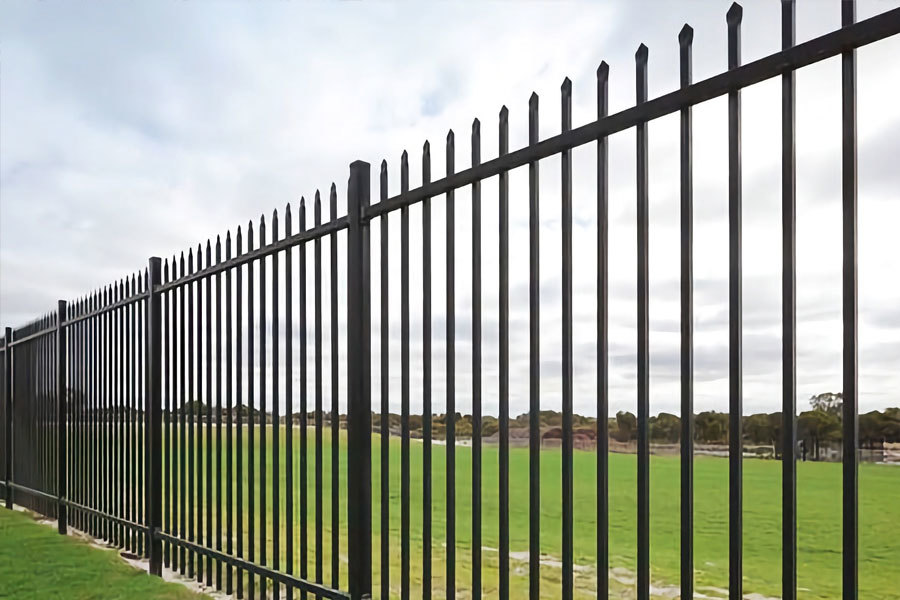
Ornamental metal fences, made from wrought iron or aluminum, combine security with aesthetic appeal. They are often used in facilities where appearance matters, such as corporate offices or manufacturing plants.
Security Fences
Security fences are designed for high-risk areas. These fences are typically made from heavy-gauge materials and may include features such as anti-climb technology, alarms, and surveillance systems.
4. Applications of Metal Fences in Industrial Automation
Metal fences find diverse applications in industrial automation, contributing to various operational aspects:
Perimeter Security
Metal fences provide perimeter security for industrial facilities, protecting them from unauthorized access and theft. This is crucial for safeguarding valuable assets and maintaining a secure operational environment.
Hazardous Area Demarcation
In industries dealing with hazardous materials or processes, metal fences help clearly demarcate dangerous zones. This ensures that employees can easily identify areas that require heightened caution.
Access Control
Many facilities use metal fences in conjunction with access control measures, such as gates and intercom systems. This combination ensures that only authorized personnel can enter restricted areas, enhancing overall security.
Equipment Protection
Metal fences can also protect sensitive equipment from accidental damage or vandalism. By creating secure enclosures around valuable machinery, businesses can extend the lifespan of their assets.
5. Installation and Maintenance of Metal Fences
Proper installation and maintenance are crucial for the longevity and effectiveness of metal fences.
Installation Process
The installation of metal fences typically involves the following steps:
1. **Site Assessment**: Evaluate the area where the fence will be installed to determine the best design and layout.
2. **Obtaining Permits**: Ensure compliance with local regulations by obtaining necessary permits.
3. **Preparing the Ground**: Clear and level the ground as needed for sturdy fence installation.
4. **Setting Posts**: Dig holes for posts and set them in concrete for stability.
5. **Attaching Fencing Material**: Securely attach the fencing material to the posts.
Maintenance Tips
To keep metal fences in optimal condition, consider the following maintenance tips:
- **Regular Inspections**: Conduct routine checks for signs of wear or damage.
- **Cleaning**: Remove dirt and debris to prevent corrosion.
- **Rust Prevention**: Apply protective coatings or paints as needed to prevent rust.
- **Repairs**: Address any damage promptly to maintain security and functionality.
6. Future Trends in Metal Fencing for Automation
As industrial automation continues to evolve, so do the technologies and designs associated with metal fencing. Some future trends include:
Integration with Smart Technology
The use of smart technology in industrial fencing is on the rise. Features like motion sensors, automated gates, and integrated surveillance systems will enhance security measures and streamline operations.
Environmentally Sustainable Materials
With an increased focus on sustainability, there is a growing trend towards using recycled materials for metal fencing. This not only reduces environmental impact but also appeals to environmentally conscious businesses.
Modular Fencing Solutions
Modular fencing systems that can be easily reconfigured or expanded offer flexibility for growing industrial operations. This adaptability allows facilities to respond to changing needs without extensive renovations.
7. Safety Regulations and Compliance in Fencing
Compliance with safety regulations is essential when installing metal fences in industrial settings. Various regulations govern fencing standards, including OSHA (Occupational Safety and Health Administration) guidelines and local building codes.
Understanding Compliance Requirements
It is crucial to understand the specific compliance requirements relevant to your industry. Regular audits and adherence to safety protocols ensure that companies maintain a safe working environment and avoid potential legal issues.
Training for Staff
Training employees on safety protocols related to fencing and hazardous areas is equally important. Ensuring that staff members are aware of safety measures and compliance requirements helps foster a culture of safety within the organization.
8. FAQs About Metal Fences in Industrial Automation
1. What are the primary materials used in metal fencing?
The most common materials for metal fencing include steel, aluminum, and wrought iron, each offering unique benefits in terms of durability and strength.
2. How long do metal fences typically last?
With proper maintenance, metal fences can last several decades, making them a cost-effective choice for industrial applications.
3. Can metal fences be customized for specific needs?
Yes, metal fences can be tailored in terms of height, design, and additional features to meet the unique requirements of various industrial settings.
4. What maintenance do metal fences require?
Metal fences generally require minimal maintenance, including regular inspections, cleaning, and occasional rust prevention treatments.
5. How do metal fences enhance workplace safety?
Metal fences help define hazardous areas, restrict access to dangerous zones, and protect personnel from accidents, thereby enhancing overall workplace safety.
9. Conclusion
The versatility of metal fences in industrial automation cannot be overstated. From enhancing security and safety to ensuring compliance with regulations, their role is indispensable in modern industrial environments. As technology continues to advance, metal fencing solutions will evolve, incorporating smart features and sustainable materials to meet the demands of the future. Investing in high-quality metal fencing not only protects valuable assets but also fosters a culture of safety and efficiency within industrial operations. Embracing this essential component can be a significant step toward achieving comprehensive security and operational excellence.
Get A Quote
Note: Please leave your email address, our professionals will contact you as soon as possible!
Spotlight





Official Website
Hello, What can we do for you?
*Note: Please be sure to fill in the information accurately and keep the communication unblocked. We will contact you as soon as possible


