
Specializing In The Production Of Gabions, Fences, Sound Barriers, Protective Barriers And Other Products
Author:
Release Time:
Feb 07,2026
Metal Fences: The Backbone of Safety in Automated Systems Table of Contents 1. Introduction to Metal Fences in Automated Systems 2. The Importance of Metal Fences in Safety 3. Types of Metal Fences for Automated Environments 3.1 Chain-Link Fences 3.2 Welded Wire Fences 3.3 Ornamental Metal Fences 3.4 Palisade Fences 4. Key Benefits of Using Metal Fence
Metal Fences: The Backbone of Safety in Automated Systems
Table of Contents
- 1. Introduction to Metal Fences in Automated Systems
- 2. The Importance of Metal Fences in Safety
- 3. Types of Metal Fences for Automated Environments
- 4. Key Benefits of Using Metal Fences
- 5. Installation Tips for Metal Fences
- 6. Maintenance Practices for Longevity
- 7. Regulatory Compliance and Metal Fences
- 8. Conclusion
1. Introduction to Metal Fences in Automated Systems
In today’s fast-paced industrial landscape, safety is of utmost importance. **Metal fences** serve as a crucial element in creating secure environments, particularly in automated systems. These robust barriers are designed to prevent unauthorized access, protect workers from hazardous areas, and ensure the smooth operation of automated machinery. In this article, we delve into the various facets of metal fences, highlighting their significance in safeguarding industrial operations.
2. The Importance of Metal Fences in Safety
The integration of automated systems has revolutionized manufacturing and industrial sectors, but it has also introduced specific safety concerns. Metal fences act as the first line of defense, addressing these issues by:
2.1 Preventing Unauthorized Access
**Unauthorized access** to automated areas can lead to accidents, equipment damage, and even legal liabilities. Metal fences act as a physical barrier, deterring intruders and ensuring that only trained personnel can enter sensitive zones.
2.2 Protecting Personnel
Safety is paramount in any automated environment. Metal fences shield workers from potential hazards associated with machinery, chemicals, and other dangers, thus reducing the risk of injuries.
2.3 Enhancing Operational Efficiency
By clearly defining operational boundaries, metal fences improve workflow and efficiency. Workers can perform their tasks without the constant worry of wandering into hazardous areas, allowing for a more focused and productive environment.
3. Types of Metal Fences for Automated Environments
Choosing the right type of metal fence is critical for maximizing safety and effectiveness. Several options are available, each tailored to specific needs.
3.1 Chain-Link Fences
**Chain-link fences** are among the most common types utilized in industrial settings. They are economical, durable, and provide visibility, making them an excellent choice for monitoring secured areas. Ideal for large facilities, chain-link fences are easy to install and maintain.
3.2 Welded Wire Fences
**Welded wire fences** deliver a higher level of strength and security compared to chain-link options. The welded construction offers enhanced durability, making them suitable for environments where heavy machinery operates. These fences can also be customized with coatings to resist corrosion.
3.3 Ornamental Metal Fences
For facilities requiring a blend of security and aesthetics, **ornamental metal fences** provide a stylish solution. These fences combine strength and elegance, making them suitable for public-facing areas in addition to industrial applications.
3.4 Palisade Fences
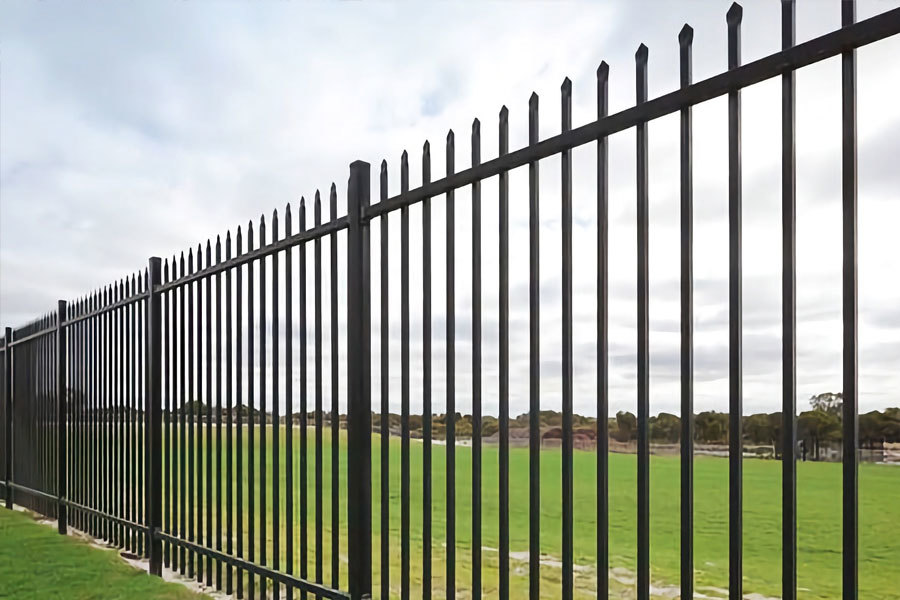
**Palisade fences** are designed with vertical slats and provide a formidable barrier against intrusion. They are often employed in high-security environments and serve as a deterrent to potential trespassers. Their robust design makes them ideal for protecting valuable assets.
4. Key Benefits of Using Metal Fences
Integrating metal fences into automated systems offers numerous benefits that contribute to enhanced safety.
4.1 Durability and Longevity
Metal fences are known for their **durability** and resistance to wear and tear. With proper maintenance, these fences can last for decades, making them a cost-effective investment for businesses.
4.2 Customizability
Many metal fence types can be customized to meet specific requirements, including height, material, and finish. This versatility allows businesses to tailor fences to the unique needs of their operations.
4.3 Low Maintenance Requirements
Compared to other fencing materials, metal fences generally require less maintenance. Regular inspections and minor repairs can keep them in optimal condition, saving time and money in the long run.
5. Installation Tips for Metal Fences
Proper installation is key to maximizing the effectiveness of metal fences. Here are essential tips to consider.
5.1 Conduct a Site Assessment
Before installation, conduct a thorough **site assessment** to identify the best locations for the fences. Consider factors such as terrain, visibility, and proximity to machinery.
5.2 Choose the Right Materials
Selecting the appropriate materials is crucial for ensuring the fence's durability and functionality. Consider factors such as environmental conditions, the level of security needed, and aesthetics.
5.3 Follow Local Regulations
Always comply with local zoning laws and regulations when installing metal fences. This includes obtaining necessary permits and adhering to height restrictions.
5.4 Use Professional Help
While DIY projects can be rewarding, hiring professionals for installation ensures that metal fences are correctly erected and secured. Expert installers will guarantee compliance with safety standards.
6. Maintenance Practices for Longevity
Maintaining metal fences is essential for preserving their integrity and safety features. Here are key maintenance practices to follow.
6.1 Regular Inspections
Conduct regular inspections to identify any signs of damage or wear. Look for rust, bent sections, or loose fittings that may compromise the fence's structural integrity.
6.2 Cleaning
Keep metal fences clean by removing debris and dirt buildup. A simple wash with soap and water can prevent corrosion and prolong the fence's lifespan.
6.3 Repairing Damage Promptly
Address any damage immediately to prevent further issues. Whether it’s replacing a section of fencing or tightening loose bolts, prompt repairs will ensure ongoing safety.
7. Regulatory Compliance and Metal Fences
**Compliance with safety standards** is essential in industrial settings. Metal fences must meet regulations set by health and safety organizations to ensure they provide adequate protection.
7.1 Understanding OSHA Guidelines
The **Occupational Safety and Health Administration (OSHA)** provides guidelines on workplace safety, including the use of barriers like metal fences. Familiarize yourself with these regulations to ensure compliance.
7.2 Meeting Local Standards
In addition to federal regulations, local jurisdictions may have specific codes governing fencing materials and installation. Always check local codes before proceeding with installation.
7.3 Training Personnel
Ensure that all personnel are trained on the importance of fences and how to recognize potential hazards. Awareness is key to maintaining a safe working environment.
8. Conclusion
Metal fences play a pivotal role in ensuring safety within automated systems. By preventing unauthorized access, protecting personnel, and enhancing operational efficiency, they are invaluable assets to any industrial facility. With various types available and the ability to customize and maintain them effectively, metal fences provide long-term security solutions. Investing in quality metal fencing and adhering to best practices will contribute significantly to a safer, more productive working environment. As industries continue to evolve, the need for robust safety measures like metal fences will only become more critical.
Get A Quote
Note: Please leave your email address, our professionals will contact you as soon as possible!
Spotlight





Official Website
Hello, What can we do for you?
*Note: Please be sure to fill in the information accurately and keep the communication unblocked. We will contact you as soon as possible


