
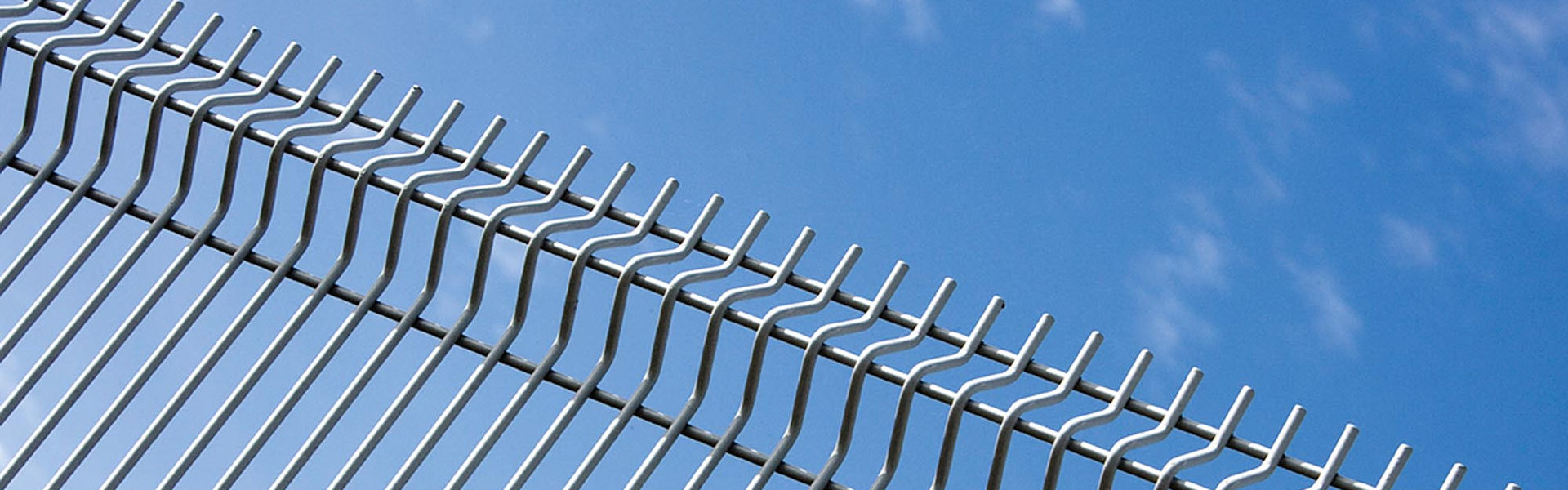
Specializing In The Production Of Gabions, Fences, Sound Barriers, Protective Barriers And Other Products
Author:
Release Time:
May 18,2026
Industrial fence types include chain-link, steel, palisade, and vinyl, each serving specific security and safety needs in industrial environments.

Many places use industrial fences to keep their property safe. These fences help protect things inside the area. Some common types are safety fences, mesh panel fencing, chain-link fencing, aluminum fencing, steel fencing, welded wire fencing, palisade fencing, and vinyl fencing. Each kind of fence has a special job in factories and businesses.
Picking the right fence helps you stay safe and secure. You will see easy reasons and uses for each fence type.
Types of Industrial Safety Fences

Safety Fences Overview
Safety fences are very important in factories and warehouses. They make a clear line between safe and dangerous places. This helps stop accidents from happening. These fences are needed where there are machines or chemicals. Their main job is to keep people away from dangerous things. When you put up safety fences the right way, they show where it is safe to walk. This lowers the chance of people getting hurt. Safety fences also help companies follow safety rules.
Safety fences are often the first thing that keeps people safe. They make it hard for workers to get into unsafe areas. This keeps workers from getting too close to moving machines. Safety fences are strong and last a long time. They can handle tough weather and hard work.
Key Features
Safety fences help people know where it is safe to walk. They also help lower the chance of accidents. Most safety fences are made from steel or wire mesh. These materials are strong and easy to see through. The main types of industrial safety fences are:
Mesh safety fences: These are made from steel wire mesh. They let you see through them and are easy to put up. They work well in places that need air to flow.
High-security railings: These are made from solid steel. They are hard to break and keep people out. They are good for places that need extra protection.
Chain-link fences: These are made from woven wire. They are strong and do not cost much. They are easy to take care of and used in many places.
The materials and design standards make sure safety fences are safe to use. Mesh safety fences let people see what is happening inside. High-security railings stop people from messing with things. This keeps workers and equipment safe.
Industrial Applications
Many industries use safety fences for different reasons. Factories use them to keep people away from big machines. Warehouses use safety fences to keep people and vehicles apart. This helps stop crashes. Chemical plants and labs use safety fences to keep people away from dangerous stuff.
Safety fences help make work safer for everyone. They help set up special areas for different jobs. This makes sure people follow safety rules. Safety fences also help companies avoid fines and keep workers safe.
Mesh Panel Fencing
Mesh Panel Fence Features
Mesh panel fencing is made with welded steel wires. These wires make the fence strong and steady. The wires are usually between 2.0 mm and 3.9 mm thick. Some edge wires can be as thick as 4.9 mm for more strength. Lacing wires and fasteners help hold the fence together. They also make it easy to put up. The panels follow BS EN rules, so they do not rust or get damaged by chemicals. This makes the fence last a long time, even in bad weather. Mesh panel fencing does not need much care and works well in tough places.
Tip: Always make sure your fence meets standards like BS EN. This helps your fence last longer.
Security and Visibility
Mesh panel fencing keeps places safe and lets you see through it. The welded mesh lets people watch what is happening. Galvanized steel makes the fence strong and helps it last longer. The open design lets air move through and helps people keep watch. This is good for safety and security teams.
You can learn more about fence rules and uses at OSHA’s Fencing Guidelines and HSE’s Workplace Fencing Advice.
Common Industrial Uses
Mesh panel fencing is used in many jobs because it is cheap, easy to set up, and stands up to weather. It keeps animals and crops safe on farms. It protects tools and machines at building sites. It makes safe borders in factories and work areas. The fence is easy to see through, so it is good for places that need both safety and watching.
Farms use mesh panel fencing to keep animals safe and protect crops.
Building sites use it for quick fences that are easy to move.
Factories use it because it lasts long and needs little care.
Homes and public places like how neat and low-cost it is.
Mesh panel fencing is liked because it is strong, easy to see through, and simple to care for. These things make it a good pick for many work and business places.
Chain-Link Fencing

Chain-Link Fence Features
Chain link fencing uses tough materials to keep areas safe. The fence has a diamond-shaped mesh that is hard to climb. Galvanized steel and PVC coating help it last in bad weather. The posts and wires are made to be strong and safe. Barbed wire on top gives extra protection.
Tip: Pick chain link fencing with barbed wire if you need more safety.
Advantages for Industrial Sites
Chain link fencing has many good points for big properties. The fence costs less than other fences, so you can use it for large spaces. Its design makes it strong and hard to damage. Galvanized steel keeps it from rusting, so you do not fix it much. The open mesh lets you see through, which helps with safety checks.
Chain link fencing works for short or long use.
You can move or change the fence if your area grows.
Add gates, warning signs, or more wires for extra safety.
Typical Applications
Many businesses use chain link fencing to mark borders and keep people safe. The fence is easy to set up and lasts a long time, so it fits many places.
Big factories use chain link fencing to keep people out and protect things.
Sports fields use the fence to keep games safe and in order.
Stores and offices use chain link to show where their land ends and stop people from entering.
Chain-link fence is a smart pick for many jobs. It gives safety, saves money, and is easy to care for.
Welded Wire and Steel Fencing
Welded Wire Fence Features
Welded wire fencing is strong and trusted in factories. The Welded Mesh Fence 2D868 has two wires going across. This makes the fence steady and hard to bend. The fence can handle hits and bad weather. Hot-dip galvanizing keeps the wires from rusting. This helps the fence last a long time outside. The welded mesh is made for high-security places. It is tough to break, easy to see through, and simple to put up.
Two wires across make the fence stronger.
The fence does not bend or break easily.
Galvanized wires stop rust and chemical harm.
The fence meets tough safety rules for factories.
Welded wire fencing lets air move and people see through. This helps you watch your area and keep it safe.
Steel Fence Features
Steel fencing makes a strong wall for places needing more safety. Many steel fences use stainless steel or aluminum alloy. These materials last longer and are very tough. The solid panels and posts are hard to climb. Steel fences are hard to cut or mess with. The fence comes in pieces you can put together fast. You can also change the fence if you need to.
Stainless steel and aluminum alloy make fences safer.
Panels and posts stop people from climbing or cutting.
Modular fences are easy to set up and change.
Steel fences are used in army bases, warehouses, and public places.
Steel fencing helps you control who comes in and keeps your area safe.
Types of Security Fencing
There are different security fences for different jobs. Chain-link fencing is good for big areas and does not cost much. But it does not give the best safety alone. Welded wire mesh fencing is stronger and stiffer. It is good for open places that need to be safe. Palisade fencing has tall pickets that are hard to climb or cut. This is good for places that need a lot of safety. High-security fencing has special features for important places. Some have electric shocks or extra barriers. Electric fencing is often used as an extra layer to stop intruders.
Chain-link fencing: Good for big spaces, cheap, but basic safety.
Welded wire mesh fencing: Strong and stiff, good for safe borders.
Palisade fencing: Tall pickets, hard to climb or cut, for high safety.
High-security fencing: Special features for important places, sometimes electric.
Electric fencing: Gives shocks, used for extra safety.
Pick the right security fence for your risk and what you need to protect. High-security railings and special systems help keep important places safe.
Industrial Applications
Welded wire and steel fencing are used in many work places. These fences help make safe areas and control who can enter. They also protect important things from being stolen or damaged. The strong design makes them good for places that need extra safety.
Key industrial uses include:
Perimeter Security: Factories and warehouses use these fences to show where their land ends. The strong panels stop people from climbing or cutting the fence. This helps keep out people who should not be there.
Equipment Protection: Big machines and storage yards need strong fences. Steel fencing keeps equipment safe from thieves and vandals. Welded wire panels let you see inside, so you can watch your things and still keep them safe.
Hazard Control: Chemical plants and energy places use these fences to block off dangerous spots. This keeps workers safe and only lets trained people go in.
Transport Hubs: Airports, train yards, and shipping places use steel fencing to guide crowds and protect things. The fences help cars and people move safely and stop accidents.
Utility Sites: Power stations and water cleaning plants need strong fences. Steel and welded wire fences can handle bad weather and stop people from messing with things.
Tip: Pick welded wire fencing if you want to see through and need strength. Use solid steel panels if you want more privacy and safety.
Comparison of Applications
Benefits for Industrial Sites:
Durability: Both fences can take hits, bad weather, and chemicals.
Low Maintenance: Special coatings stop rust and mean less fixing.
Customizable: You can add gates, warning signs, or safety tools.
Compliance: These fences help you follow safety and security rules.
Welded wire and steel fencing are good choices for many work problems. Their design helps keep people safe, protects things, and makes running a site easier.
Palisade and Aluminum Fencing
Palisade Fence Features
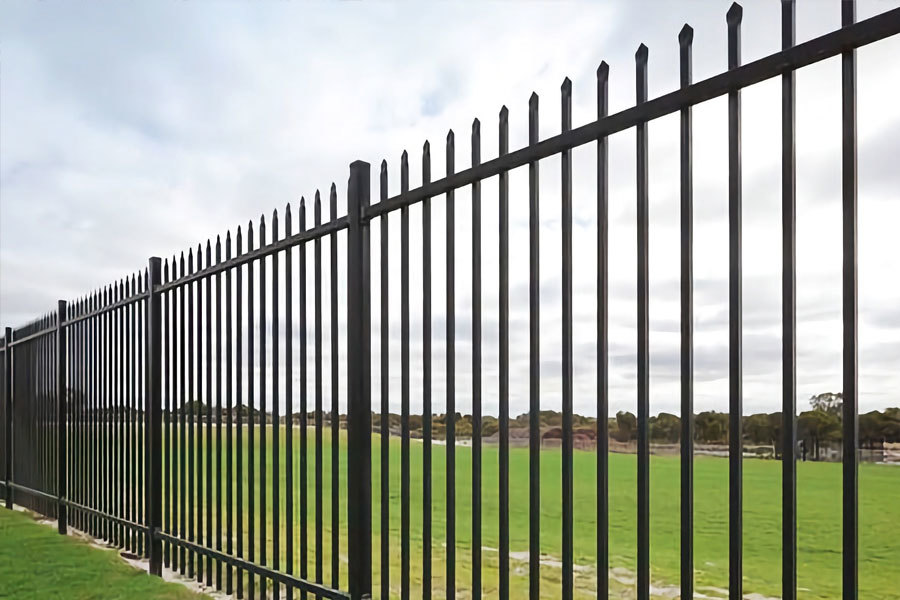
Palisade fencing is a popular choice for places that need high security. It has tall steel pickets with sharp or curved tops. These tops make it very hard for people to climb over. The fence connects to strong rails and is set in concrete or steel posts. This makes it tough to break through. Palisade fencing looks scary and warns people to stay out. Many factories and power stations use this fence because it looks strong and keeps people safe.
Tall steel pickets with sharp tops
Very hard to climb or cut
Set on strong rails and posts
Used in high-security places like power stations and factories
Aluminum Fence Features
Aluminum fencing is light and does not rust. It is better than steel or iron at fighting rust. This makes it great for places near the ocean or where it is wet. Aluminum fences do not rust, even in tough weather. The powder coat keeps the fence looking nice and stops fading or chipping. You do not need to paint, sand, or seal it often. With good quality and coating, aluminum fences can last many years.
Stops rust better than other metals
Good for wet or salty places
Easy to care for and lasts a long time
Powder coat keeps color and stops chips
Security and Durability
Palisade fencing is a strong barrier. The sharp tops and stiff frame stop most people from climbing. This makes it a top pick for high-security spots. Aluminum fencing is also strong but lighter and easy to put up. It does not rust, so it lasts longer and needs less work. Both fences are tough, but palisade fencing uses thicker steel for more strength.
Many companies use these fences because they are safe and last a long time. Chemical plants, airports, factories, and shipping yards use palisade and aluminum fences to keep things safe and control who comes in.
Common Industrial Fences
Many businesses use fences to keep their property safe. Fences also help control who can enter or leave. Palisade and aluminum fences are two popular choices because they are strong and last a long time. Each fence works best in certain places and for different reasons.
Palisade fences are good for places that need high security. The tall steel pickets have sharp tops. This makes it hard for people to climb or cut the fence. Factories, power stations, and warehouses use palisade fences to make a strong wall around their land.
Aluminum fences are light and do not rust. They are great for places with lots of rain or salty air. Coastal factories and water plants often use aluminum fences. These fences do not need much fixing and can last many years.
You will see these fences in many work areas. Airports use palisade fences to keep runways and special zones safe. Shipping yards and logistics centers pick aluminum fences because they last long and are easy to put up. Both fences help companies follow safety rules and stop theft or damage.
Tip: Pick a fence that matches your security needs, weather, and how much you want to spend on care.
The table below shows where these fences are used:
Some companies use more than one kind of fence for extra safety. For example, they might use palisade fences around the outside and aluminum fences inside. This helps protect important spots and control who goes where.
When you pick a fence, think about what you need to protect and what dangers you face. The right fence will keep your site safe, help you follow rules, and save money over time.
Vinyl Fencing in Industrial Settings
Vinyl Fence Features
Vinyl fencing is strong and lasts a long time. It does not rot, rust, or bend, even in bad weather. The panels are often white or gray. These colors reflect sunlight and help the fence look clean. The surface does not stain and never needs paint. Vinyl fencing looks like wood but lasts much longer. The panels stay strong in wind and rain. Most vinyl fences use panels that lock together. This makes a solid wall and keeps the area safe.
Tip: Pick vinyl fencing if you want a fence that lasts and needs little care.
Low Maintenance and Aesthetics
Vinyl fencing is easy to take care of. You do not need to sand, paint, or seal it. You can clean it with soap and water. The color stays bright for many years. The fence does not fade or chip. This saves you time and money.
Vinyl fencing looks nice at many work sites. The fence has straight lines and one color. This gives a neat look. It can match new buildings or stand out as a border. Many companies use vinyl where looks are important, like office parks or places customers see.
Industrial Applications
Many jobs use vinyl fencing because it works well. The fence marks property lines and makes safe areas. It is used around storage yards, parking lots, and loading docks. The smooth panels are hard to climb. This helps keep people out.
Warehouses use vinyl fencing to split delivery spots from public areas.
Manufacturing plants use vinyl fences to guard tools and supplies.
Utility companies pick vinyl for water plants and substations. It does not get damaged by water or chemicals.
Office parks use vinyl fencing to make their land look better and stay safe.
Vinyl fencing helps meet safety rules by making clear borders. The fence does not splinter or have sharp edges. This lowers the chance of getting hurt. The fence keeps its shape and stands up to daily use.
Note: Vinyl fencing is best for places that need safety and a clean look.
Choosing an Industrial Fence
Factors to Consider
When you pick an industrial fence, think about a few things. First, ask how much security your site needs. Some places need security fencing with sharp tops or electric parts. These features help keep people out. Next, look at how big your area is and how much money you can spend. High-security fencing costs more but gives better safety. You should also think about how long the fence will last. Fences made from steel or aluminum stay strong for many years and do not break easily. Maintenance is important too. Some fences, like vinyl or aluminum, need little care. Others may need you to check for rust or damage often.
Rules and standards are important when picking a fence. OSHA says you must use safety fences to keep workers safe. These fences stop people from going into dangerous areas. They also protect workers and equipment. Marking areas clearly helps you follow safety rules and keeps everyone safe.
Tip: Always check your local rules before you put up a fence. This helps you avoid fines and keeps your site safe.
Comparison of Fence Types
Every type of industrial fence has its own good points. Use this table to see how cost, durability, and security compare:
Security fencing is best for places that need strong walls and watching. Palisade and steel fences give the most safety for risky spots. Vinyl and chain link work well for marking borders or less risky places.
Mistakes to Avoid
People sometimes make mistakes when picking commercial fences. Try not to do these things:
Do not choose a fence just because it is cheap. Cheap fences may not be safe or last long.
Do not forget about safety rules. If you do not follow them, you could get fined or have unsafe spots.
Do not skip maintenance. Some fences need care to stay strong and safe.
Do not ignore how big your area is. Big places may need different fences than small ones.
Do not forget about access control if you need to check who comes in or out.
Note: Think about what your site needs and what dangers you have before you choose. The right fence will keep your property safe, follow the rules, and save you money in the long run.
Industrial fences do many jobs. Safety fences keep workers safe and mark dangerous areas. They also help you follow safety rules. There are many types like mesh panel, chain-link, steel, welded wire, palisade, aluminum, and vinyl. Each type has its own good points. It is important to pick a fence that fits your needs because:
Chain link fencing can be made taller or shorter. You can also change the size of the mesh.
Safety fences need to be strong for bad weather. They must also follow safety rules.
Safety fences help stop stealing and keep areas apart. They also keep things inside where they belong. If your site is tricky, talk to experts. They can help you get strong fences that last and keep people out. Think about things like electric parts, cameras, and how much work the fence needs. When experts put up safety fences, you get safety for a long time. Always look at your risks and pick the right fence for your place.
FAQ
What is the best industrial fence for high security?
Palisade fencing and steel fencing are the safest choices. They use strong materials that are hard to climb or cut. Pick these fences if you need to protect important things or secret areas.
How long does an industrial fence last?
Most industrial fences last between 15 and 30 years. Steel and aluminum fences can last even longer if you take care of them. Vinyl fences do not rot or rust, so they last a long time too.
Do industrial fences require much maintenance?
Vinyl and aluminum fences do not need much care.
Steel and chain-link fences should be checked for rust or damage.
Clean your fence often to keep it strong and safe.
Can I install industrial fencing myself?
You can put up a fence yourself for small jobs. For big or very safe places, hire experts. They will make sure the fence follows safety rules and works right.
Which fence type is best for wet or coastal areas?
Aluminum and vinyl fences do not rust or corrode. These fences are good for wet or salty places. Do not use plain steel fences unless they have a special coating.
How do I choose the right fence height?
Pick taller fences (8 feet or more) for more safety.
Use shorter fences (4 to 6 feet) for marking lines or less risky spots.
Always check your local rules for fence height.
Are industrial fences customizable?
Yes. You can add things like barbed wire, gates, or warning signs. Many fences come in different heights, colors, and looks to fit what you want.
Do industrial fences help with safety compliance?
Yes. Safety fences show where dangerous areas are and help you follow safety rules. The right fence lowers accidents and keeps workers safe.
Get A Quote
Note: Please leave your email address, our professionals will contact you as soon as possible!
Spotlight





Official Website
Hello, What can we do for you?
*Note: Please be sure to fill in the information accurately and keep the communication unblocked. We will contact you as soon as possible


