
Specializing In The Production Of Gabions, Fences, Sound Barriers, Protective Barriers And Other Products
Author:
Shitai Wire Mesh Produce
Release Time:
Jun 12,2026
A black aluminum fence lasts longer, needs less upkeep, and resists weather better than wood or vinyl, making it a smart choice for most homes.

You want a fence that lasts a long time. Many people now pick a black aluminum fence because it is very strong and keeps looking good for years. Aluminum does not rust, so you do not have to worry about it getting damaged by water. With a black aluminum fence, you do not see the fading or bending that happens with vinyl. You also do not get rot or bug problems like you do with wood. An ornamental aluminum fence gives your home more safety and style. People think an ornamental aluminum fence looks good on both new and old homes. In the last few years, more people have picked vinyl fences because they are easy to take care of, but aluminum fences are now more popular because they are strong and last a long time. You will see that a black aluminum fence or an ornamental aluminum fence does not need much care, so you save time and money. It is easy to put in, and the aluminum fence stays nice with little work. If you want a fence that is pretty, safe, and easy to care for, a black aluminum fence or ornamental aluminum fence is a smart choice.
Longevity and Durability
Black Aluminum Fence Strength
Corrosion Resistance
You want a fence that can handle rain and wet air. Aluminum fencing does not rust or corrode, even near the ocean. The black powder coating keeps water and air away from the metal. This layer stops the metal from wearing out over time. Other fences might get rusty or lose paint, but not aluminum. Your aluminum fence will keep its color and shape for many years with little work. For more about corrosion resistance, you can look at official standards from ASTM International.
Weather Performance
Aluminum fencing works well in all kinds of weather. It does not bend, crack, or break in hot or cold. Freeze and thaw do not hurt it like they do other fences. Rain, snow, and sun do not change how strong or nice it looks. The fence stays straight and strong for a long time. This makes aluminum a great pick for places with tough weather.
Wood Fence Durability
Rot and Insects
Wood fences look nice, but they have problems as time goes on. Water can get in and make the wood rot. Bugs like termites and ants can eat the wood and make it weak. You should check your wood fence two times a year for loose boards, rot, or bug damage. Cleaning off dirt and mildew helps keep the wood good. Staining or sealing every few years stops it from drying out and cracking. If you do not take care of it, wood fences get weak and may need to be replaced early.
Common causes of wood fence damage:
Weather damage: Cracks and bends from freeze and sun.
Pest infestation: Termites and ants hurt the wood.
Lack of maintenance: Small problems can get worse if not fixed.
Climate Effects
Wood changes when the weather changes. In wet places, wood soaks up water and gets bigger. In dry or sunny places, it can shrink and crack. The boards and posts get stressed when seasons change. You need to get your fence ready for each season:
Spring: Check for rot, clean, and seal the wood.
Summer: Protect from sun and look for bugs.
Fall: Remove leaves and make sure water drains away.
Winter: Keep snow off and watch for ice.
Doing these things helps your wood fence last longer, but wood is still not as strong as aluminum.
Vinyl Fence Durability
Fading and Flexing
Vinyl fences do not rot or get eaten by bugs, but they have other problems. Sunlight can make the color fade and look dull. When it is hot, vinyl can bend and get soft. When it is cold, it can get hard and crack. Freeze and thaw can stress the panels and joints. You might see the panels bend or move after storms or big temperature changes.
Impact Resistance
Vinyl can take some hits, but big hits or falling branches can crack it. If it breaks, fixing it is hard. You might have to replace whole sections. Vinyl is not as strong as aluminum in tough weather. Over time, hits and weather can make vinyl fences wear out faster.
| Material | Cold Weather Performance | Freeze-Thaw Resistance |
|---|---|---|
| Aluminum | Stays strong in cold and does not get brittle | Freeze and thaw do not hurt it |
| Vinyl | Can get brittle in cold and crack | Freeze and thaw can stress panels and joints |
| Wood | Can crack and bend from freeze and sun | Needs sealing often to keep out water |
Tip: For more about how weather changes fences, you can read studies from the U.S. Forest Service.
Aluminum fencing lasts the longest and is the strongest of these choices. It does not rust, stands up to weather, and needs little care. Wood and vinyl need more work and can get damaged by bugs and weather. When you look at all the choices, you can see why many people pick aluminum for a fence that lasts.
Durability Comparison Table
You want to see how each fence type stands up over time. The table below shows the main differences in durability and care:
| Material | Durability Characteristics | Maintenance Requirements |
|---|---|---|
| Black Aluminum | Does not rust, rot, or corrode. Handles all weather. Keeps shape and color. | Wash with soap and water. Powder coating resists fading. |
| Wood | Strong but can rot, warp, or get bugs. Weather can break down boards. | Stain and seal often. Check for damage and repair. |
| Vinyl | Stays strong but can bend or crack in heat or cold. Color may fade. | Wash sometimes. Mold and dirt show on surface. |
Tip: Black aluminum fence gives you the best mix of strength and easy care. You do not need to worry about rust, bugs, or weather damage.
Black aluminum fence lasts the longest with the least work.
Wood fence needs the most care and can break down faster.
Vinyl fence needs less care than wood but can fade or crack in tough weather.
You can use this table to pick the fence that fits your needs and your climate.
Maintenance Needs
Aluminum Fencing Upkeep
Cleaning Routine
You will find that aluminum fencing needs very little cleaning. Dirt and dust do not stick to the surface easily. You can use a garden hose to rinse off most debris. For tougher spots, use a soft sponge with mild soap and water. Rinse well to avoid streaks. You do not need special cleaners or tools. This simple routine keeps your fencing looking sharp year-round.
Tip: Clean your aluminum fence once or twice a year for best results.
Coating and Paint
The black finish on aluminum fencing comes from a powder coating. This layer protects the metal from scratches and fading. You do not need to repaint or reseal it. The coating resists chipping and peeling, even in harsh weather. If you see a scratch, touch it up with paint made for metal. Most scratches do not affect the strength of your fencing. This makes aluminum a top choice for a maintenance free material.
Wood Fence Maintenance
Staining and Sealing
Wood fencing needs more care than aluminum. You must stain or seal the boards every few years. This step protects the wood from water, sun, and insects. Choose a stain or sealant that matches your climate. Apply it with a brush or sprayer. Let the wood dry before you use the fence again. Regular sealing keeps your fencing strong and helps it last longer.
Repairs
Wood fencing can crack, warp, or rot. You should check for damage after storms or each season. Replace broken boards right away. Tighten loose nails or screws. Sand rough spots to prevent splinters. Quick repairs stop small problems from getting worse. This routine keeps your wood fencing safe and looking good.
Vinyl Fence Maintenance
Mold and Mildew
Vinyl fencing does not rot, but mold and mildew can grow on the surface. You can clean these spots with soap and water. Use a soft brush to scrub away stains. Rinse with a hose. Do not use harsh chemicals, as they can damage the panels. Regular cleaning prevents buildup and keeps your fencing bright.
Fading Issues
Sunlight can cause vinyl fencing to fade over time. You cannot restore the original color once it fades. Some panels may turn yellow or chalky. You can slow fading by cleaning the fence and trimming plants that block airflow. If fading bothers you, consider replacing the affected panels. Vinyl fencing needs less work than wood, but it does not stay new-looking as long as aluminum.
Maintenance Cost Over Time
When you choose a fence, you need to think about more than just the price you pay at the start. Maintenance costs can add up over the years. Each fence material has a different pattern of expenses.
Black Aluminum Fence:
You pay more for aluminum at the beginning, but you save money later. You do not need to buy paint, stain, or sealant. You do not spend time or money on repairs. Cleaning only needs water and mild soap. The powder coating protects the fence for many years. You rarely need to replace parts. Over ten years, your costs stay low.
Wood Fence:
Wood fencing costs less at first, but you pay more as time goes on. You need to buy stain or paint every few years. You may need to hire someone to seal or repair the boards. Bugs and rot can force you to replace sections. Weather can cause cracks and warping. These repairs and treatments add up quickly. Over ten years, you spend much more on upkeep.
Vinyl Fence:
Vinyl fencing costs more than wood but less than aluminum. You do not need to paint or stain it. Cleaning is simple, but you may need to wash off mold or mildew. Sunlight can fade the color, and you cannot fix this. If a panel cracks, you may need to replace it. Most of the time, you spend less on vinyl than on wood, but more than on aluminum if you need to replace parts.
Note: Vinyl fences can last 20 to 30 years with little upkeep. Wood fences last 10 to 15 years, but only if you keep up with regular maintenance.
Here is a quick look at the long-term costs:
| Fence Type | Upfront Cost | Yearly Maintenance | Repairs/Replacement | 10-Year Total Cost (Estimate) |
|---|---|---|---|---|
| Black Aluminum | High | Very Low | Rare | Low |
| Wood | Low | High | Frequent | High |
| Vinyl | Medium | Low | Occasional | Medium |
Black aluminum fence gives you the lowest maintenance cost over time.
Wood fence needs the most care and money for repairs.
Vinyl fence costs less to maintain than wood, but fading and cracks can raise costs.
If you want to save money and time, black aluminum fencing is the best choice for long-term value. You avoid the hassle of constant repairs and treatments. You get a fence that stays strong and looks good for many years.
Cost Comparison
Upfront Costs
Black Aluminum Fence Price
You pay more for black aluminum fencing at the start. The average cost per linear foot is $28 to $38. This price covers the strong metal, powder coating, and modern look. Aluminum fencing gives you a clean style and lasts a long time.
Wood Price
Wood fencing costs less at first. You pay $10 to $50 per linear foot. The price changes based on the type of wood and design. Simple wood fences cost less. Fancy styles or strong wood cost more. Wood fencing looks classic but needs care.
Vinyl Price
Vinyl fencing sits in the middle for price. You pay $15 to $40 per linear foot. Vinyl gives you a smooth look and easy care. The price depends on the style and thickness. Vinyl fencing costs less than aluminum but more than basic wood.
| Fencing Type | Average Cost per Linear Foot |
|---|---|
| Black Aluminum | $28 - $38 |
| Wood | $10 - $50 |
| Vinyl | $15 - $40 |
Note: You see the biggest price range with wood fencing. Basic wood is cheap, but high-end wood can cost more than aluminum.
Long-Term Value
Repairs and Replacement
You need to think about how much you pay over time. Wood fencing needs regular care. You stain or seal it every two to three years. Wood can rot, crack, or get bugs. Over 20 years, you spend $1,500 to $3,000 on maintenance. Sometimes you replace boards or whole sections.
Vinyl fencing needs less care. You rinse it with a hose. You do not paint or seal it. Vinyl lasts 20 to 30 years. If a panel cracks, you replace the whole panel. Repairs cost $200 to $400 for a panel.
Aluminum fencing needs almost no care. You hose it off and check for loose parts. Aluminum does not rust. Over 20 years, you spend $500 to $1,200 on maintenance. Repairs are rare and cheap. You replace a picket for $50 to $100.
Wood fencing:
Stain or paint every few years
Inspect for rot and bugs
Repair cracked or warped boards
Lifespan: 10–20 years
Vinyl fencing:
Minimal maintenance
Rinse with hose
No painting or sealing
Lifespan: 20–30+ years
Aluminum fencing:
Low maintenance
Occasional wipe-downs
Inspect for loose hardware
Lifespan: 30–50+ years
| Fence Type | Installation Cost (200 ft) | Annual Maintenance | 25-Year Replacement Cost | 30-Year Total Cost | Panel/Picket Repair Cost |
|---|---|---|---|---|---|
| Vinyl | $4,400–$5,600 | Minimal | $4,400–$5,600 | $8,800–$11,200 | $200–$400 (panel) |
| Aluminum | $5,200–$7,000 | Minimal | $0 | $5,200–$7,000 | $50–$100 (picket) |
Maintenance Expenses
You spend more on wood fencing for upkeep. You buy stain, paint, and pay for repairs. Vinyl fencing costs less to maintain but can fade or crack. Aluminum fencing costs the least to maintain. You save money because you do not need to paint, seal, or replace parts often.
Tip: Aluminum fencing gives you the best long-term value. You pay more at first but save money and time later.
Value for Money
You want a fence that lasts and costs less over time. Vinyl fencing is cheaper upfront but can cost more later if you need repairs or replacements. Wood fencing costs less at first but needs lots of care and repairs. Aluminum fencing costs more at the start but gives you the best long-term value. You spend less on maintenance and repairs. Aluminum fencing lasts longer than wood or vinyl.
Aluminum fencing offers:
Strong metal that does not rust
Minimal upkeep
Rare repairs
Long lifespan
Wood fencing offers:
Classic look
High maintenance
Shorter lifespan
Vinyl fencing offers:
Easy care
Risk of fading and cracking
Medium lifespan
You see the best value for money with aluminum fencing. You pay more at first but save much more over the years. This fence material comparison shows that aluminum fencing stands out for durability, low maintenance, and long-term value.
Callout: If you want a fence that saves you money and lasts for decades, aluminum fencing is the smart choice.
Fence Appearance

Black Aluminum Fence Style
Modern Look
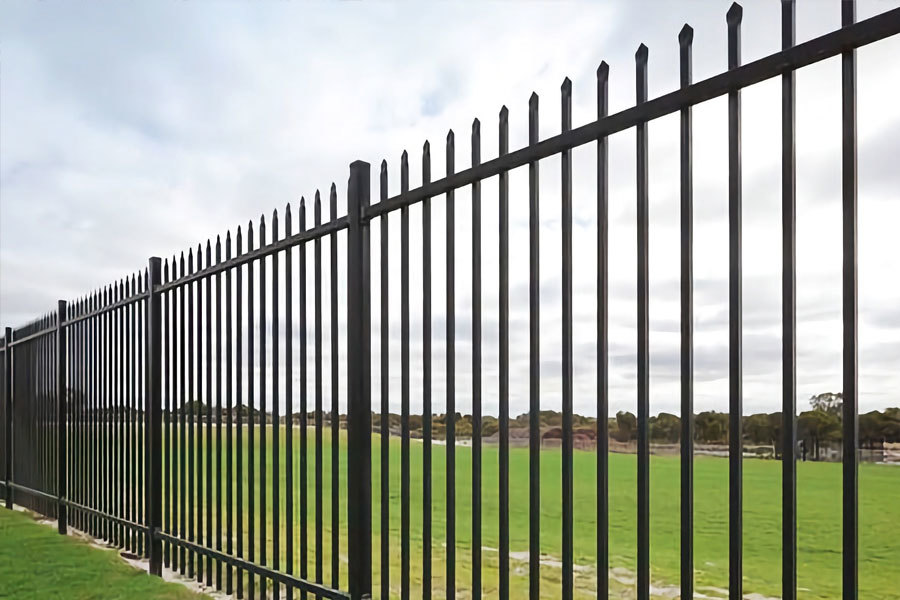
Black aluminum fencing is common in new neighborhoods. The fence has straight lines and a shiny finish. It makes your yard look fancy and neat. Many people like this fence because it looks simple and strong. You can pick different tops, like spear-top or flat-top. There are also decorative patterns to choose from. These styles help your fence match your house. The fence looks good on both old and new homes. It gives you a classic style with a modern touch.
Color Options
Black is the favorite color for aluminum fencing. But you can pick other colors too. Some choices are bronze, white, green, and sandstone. The color comes from powder coating. This coating sticks to the metal and stops fading. You do not need to paint your fence often. Powder coating lets you pick a color that matches your yard or house. You can make your fence special by choosing your own color. The finish stays bright and smooth for a long time. Your fence keeps looking nice year after year.
Tip: Pick a color that looks good with your house for better curb appeal.
Wood Fence Style
Traditional Appeal
Wood fencing gives your yard a classic look. People like the natural wood grain and warm colors. You can pick styles like picket, split rail, or privacy. Each style gives your yard a different feel. Wood fences look nice with gardens and older homes. The texture and color make your yard feel cozy and timeless. You get a fence that blends with nature and adds charm.
Paint and Stain Choices
You can change your wood fence color with paint or stain. This lets you pick how your fence looks. You can choose bright colors or soft earth tones. Stains show off the wood grain. Paint covers the wood for a solid color. You need to repaint or restain every few years. This keeps your fence looking fresh. You can update your fence as your style changes. Wood is easy to personalize because you can mix colors and finishes.
Vinyl Fence Style
Color Retention
Vinyl fencing comes in many colors like white, tan, and gray. The color goes all the way through the material. Scratches do not show much. Vinyl keeps its color longer than painted wood. But strong sun can fade it over time. You do not need to repaint vinyl. This saves you time. The surface stays smooth and bright with simple cleaning. Your fence looks new for many years.
Design Flexibility
Vinyl fencing has lots of design choices. You can pick privacy panels, picket styles, or lattice tops. Vinyl can look like wood grain or have a modern finish. You can pick different heights and shapes. Vinyl works for both old and new homes. You can match your fence to your taste and property. The design and color options let you make your fence fit your needs.
| Material | Design Styles Available | Aesthetic Appeal | Maintenance Requirements | Durability |
|---|---|---|---|---|
| Aluminum | Spear-top, Flat-top, Decorative | Upscale, ornamental look | Low | High |
| Wood | Various traditional styles | Natural beauty, versatile | Moderate to high | Moderate |
| Vinyl | Clean, modern styles | Modern appearance | Low | High |
Aluminum fencing gives your yard a fancy look.
Wood fencing is known for its natural beauty.
Vinyl fencing looks clean and modern.
You have many choices for how your fence looks. Each material gives you different colors and designs. Think about what fits your home. Also think about how much work you want to do to keep your fence looking good.
Curb Appeal Comparison
When you choose a fence, you want your home to look its best. Curb appeal means how your house looks from the street. The right fence can make your property stand out or blend in. Each material gives a different effect.
Black Aluminum Fence
Gives your yard a modern, upscale look.
The clean lines and dark color create a strong outline.
Works well with both new and old homes.
The finish stays shiny and does not fade.
Decorative tops and patterns add style without looking busy.
Wood Fence
Brings a warm, natural feel to your yard.
Fits well with gardens, trees, and older homes.
You can paint or stain it any color you like.
Needs regular care to keep it looking fresh.
Weather and sun can make it look worn or faded over time.
Vinyl Fence
Offers a neat, uniform appearance.
Many color and style options, including wood-look panels.
Stays bright and clean with little effort.
Can look less natural than wood.
Fading or chalking may happen in strong sun.
Tip: If you want a fence that always looks new, pick a material that resists fading and weather damage.
Here is a quick table to help you compare:
| Fence Type | First Impression | Best For | Long-Term Appearance |
|---|---|---|---|
| Black Aluminum | Elegant, modern | Upscale, classic homes | Stays sharp and glossy |
| Wood | Warm, traditional | Gardens, older homes | Needs upkeep to stay nice |
| Vinyl | Clean, consistent | Modern, low-maintenance | May fade or chalk |
You should think about your home’s style and the look you want. Black aluminum gives a bold, elegant edge. Wood adds charm and blends with nature. Vinyl keeps things simple and tidy.
If you want a fence that boosts property value, pick one that matches your house and stays good-looking with little work.
If you like to change colors or styles, wood gives you the most options.
If you want a fence that always looks neat, vinyl or aluminum work best.
Curb appeal matters when you sell your home. A fence that looks great can make buyers stop and look. Choose a fence that fits your taste and keeps your yard looking its best for years.
Aluminum Fence Installation

Installation Process
Ease of Handling
You can handle aluminum fencing panels with ease. The panels are lightweight, so you do not need special equipment. You can carry most sections by yourself. The posts and rails fit together smoothly. You do not need to lift heavy boards or deal with bulky materials. The installation of aluminum fence panels does not require much strength. You can move the pieces around your yard without trouble. This makes aluminum fence installation a good choice for homeowners who want to do the work themselves.
Tip: Aluminum fencing is easier to transport and position than wood or vinyl.
Time Required
You can install aluminum fencing quickly. Most panels come pre-assembled. You only need to set the posts, attach the panels, and secure the hardware. You can finish a typical yard in one or two days. You do not need to wait for paint or stain to dry. The powder coating protects the fence right away. You save time because you do not need to measure and cut each piece. Aluminum fence installation takes less time than wood fencing, which needs careful placement and manual securing of each board.
Wood Fence Installation
Tools Needed
You need several tools for wood fencing. You must have a tape measure, level, hammer, drill, saw, and shovel. You use nails or screws to secure each board. You may need a post hole digger for setting posts. You must check each board for straightness and fit. You need safety gear because wood boards can splinter.
Common Challenges
You face many challenges with wood fencing:
You must lift heavy boards and posts.
You need to place each picket with precision.
You secure each board manually with nails or screws, which can rust.
Wood boards can shrink or warp due to weather changes.
You must replace individual boards when they rot or break.
You need regular maintenance to prevent rot, warping, and insect damage.
You must stain or seal the fence every year to keep it strong.
Note: Wood fencing is more labor-intensive than aluminum or vinyl. You spend more time measuring, cutting, and securing each piece.
Vinyl Fence Installation
Panel Assembly
You assemble vinyl fencing panels by snapping or sliding them into place. Most panels come ready to install. You attach panels to posts using brackets or clips. You do not need to use nails or screws. You can finish panel assembly quickly.
Ground Prep
You must prepare the ground before installing vinyl fencing. You dig holes for posts and set them in concrete. You check that the ground is level. You may need to clear rocks or roots. Proper ground prep ensures the panels stay straight and secure.
Callout: Vinyl fencing installation is faster than wood but may take longer than aluminum if the ground is uneven.
| Fencing Type | Ease of Handling | Time Required | Tools Needed | Common Challenges |
|---|---|---|---|---|
| Aluminum | Lightweight | 1–2 days | Basic tools | Few |
| Wood | Heavy | 2–4 days | Many tools | Labor-intensive |
| Vinyl | Medium | 1–3 days | Basic tools | Ground prep |
You can see that aluminum fencing offers the easiest installation. Wood fencing requires more tools and labor. Vinyl fencing is simple to assemble but needs careful ground preparation.
DIY vs. Professional
You can install a fence yourself or hire a professional. Each option has benefits and drawbacks. Your choice depends on your skills, time, and budget.
DIY Installation
You save money on labor costs.
You control the pace and schedule.
You learn new skills and gain satisfaction from the project.
You need basic tools for aluminum and vinyl fences. Wood fences require more equipment.
You must measure, dig, and set posts accurately.
You may face challenges with slopes, corners, or uneven ground.
You risk mistakes that can affect the fence’s strength or appearance.
Tip: Aluminum fencing is the easiest for DIY. The panels are light, and the parts fit together with simple tools.
Professional Installation
You pay more for labor, but you get expert results.
You save time and avoid heavy lifting.
You benefit from professional tools and experience.
You get a warranty on workmanship.
You avoid common errors like crooked posts or uneven panels.
You do not need to worry about permits or local codes. Professionals handle these details.
Comparison Table
| Factor | DIY Aluminum | DIY Wood | DIY Vinyl | Professional Install |
|---|---|---|---|---|
| Cost Savings | High | High | Medium | Low |
| Skill Level Needed | Low-Medium | Medium | Low | None |
| Time Required | 1–2 days | 2–4 days | 1–3 days | 1–2 days |
| Tools Needed | Basic | Many | Basic | None |
| Risk of Mistakes | Low | High | Medium | Very Low |
| Warranty | No | No | No | Yes |
When to Choose DIY:
You have basic handyman skills.
You want to save money.
You have time to complete the project.
Your yard is flat and easy to work with.
When to Hire a Professional:
You want a perfect finish.
You have a large or complex yard.
You lack time or tools.
You want a warranty and peace of mind.
Note: Mistakes in installation can lead to costly repairs. If you feel unsure, hiring a professional may save you money in the long run.
You should weigh your skills, budget, and project size. Aluminum fencing offers the best DIY experience. Wood fencing is best left to professionals unless you have carpentry experience. Vinyl fencing falls in the middle. Choose the method that fits your needs and ensures a strong, attractive fence.
Environmental Impact
Aluminum Fencing Sustainability
Recyclability
You can recycle aluminum fencing when it gets old. Aluminum is recycled more than most metals. Many places take old aluminum fences. Recycling uses less energy than making new aluminum. This helps keep trash out of landfills and saves resources.
Manufacturing Impact
Making aluminum takes lots of energy. But many companies use recycled aluminum now. This lowers the energy needed. The powder coating does not release bad chemicals. Picking a fence made from recycled aluminum helps the planet.
Wood Fence Concerns
Sourcing
You should know where the wood comes from. Some wood comes from forests that are not cared for. Cutting trees without planting new ones hurts animals and soil. Look for wood with a certification from groups like the Forest Stewardship Council. Certified wood comes from forests that protect nature.
Chemical Treatments
Wood fences need chemicals to stop rot and bugs. These chemicals can get into the soil and water. Some treatments use copper or other metals that can hurt plants and animals. Handle treated wood carefully and follow safety rules. Untreated wood breaks down faster but is better for the environment.
Vinyl Fence Issues
PVC Production
Vinyl fencing uses PVC, which is made from oil. Making PVC causes pollution and uses resources that cannot be replaced. The process releases chemicals that can harm air and water. PVC does not break down in nature. Most old vinyl fences become trash because recycling is hard. This adds to landfill problems and makes people worry about the future. You can learn more about plastics and the environment at the U.S. Environmental Protection Agency.
Disposal
When you take down a vinyl fence, you have problems. Vinyl does not rot or turn into compost. Most recycling centers do not take old PVC fences. This means most vinyl fences end up in landfills. They take up space and do not break down. Vinyl fencing hurts the environment more than aluminum or wood because of these disposal problems.
Tip: If you want a fence that is better for the planet, pick recyclable materials and wood from good sources.
Security and Privacy
Black Aluminum Fence Security
Strength and Height
A fence should help keep your home safe. Aluminum fencing is made with strong panels and posts. The metal does not bend or break easily. You can pick a taller fence for more safety. Tall fences are hard for people or animals to climb. Many people use aluminum fences around pools or yards. The powder coating helps the fence last a long time.
Visibility
Aluminum fences have spaces between the pickets. You can see through the fence easily. This lets you watch your yard and see visitors or pets. You can also see what is happening outside your fence. But this fence does not block views. If you want privacy, this fence may not be right for you. Aluminum fencing is best if you want safety and a clear view, not a solid wall.
Wood Fence Privacy
Solid Panels
Wood fences give you lots of privacy. You can pick solid panels with no gaps. These panels make a strong wall. People cannot look into your yard. You get a quiet and private space. Solid wood panels also help block noise from outside. Wood fences are much better for privacy than aluminum fences.
Custom Heights
You can build wood fences as tall as you need. Taller fences give you more privacy and safety. You can choose the height that works for you. Many people use wood fences in backyards or side yards. You can add lattice or fancy tops for extra height and style.
Both wood and vinyl fences work well for privacy. They can be built with no gaps, so no one can see through. Aluminum fences do not give privacy because you can see through the pickets.
Vinyl Fence Privacy
Full-Privacy Panels
Vinyl fences can have full-privacy panels. These panels fit together with no spaces. You get a fence that blocks all views. Vinyl fences are good for homes close to neighbors or busy roads. You can pick styles like board-on-board or tongue-and-groove. These styles look neat and give you total privacy.
Vinyl and wood fences are great for privacy because they use solid panels.
Board-on-board and tongue-and-groove designs in vinyl and wood have no gaps.
Aluminum fences are not good for privacy because you can see through them.
Vinyl fences block all views, so they are best for privacy.
Wood fences also give privacy but need care over time.
Aluminum fences are mostly for looks, not privacy.
Gate Options
Vinyl fences have many gate choices. You can add single or double gates for easy entry. Gates use the same solid panels as the fence. This keeps your yard private and safe. You can lock the gates for more security. Vinyl gates match the fence, so your yard looks tidy.
| Fencing Type | Security Level | Privacy Level | Best Use Case |
|---|---|---|---|
| Aluminum | High | Low | Security, visibility |
| Wood | Medium-High | High | Privacy, custom style |
| Vinyl | Medium | High | Full privacy, low upkeep |
You should choose your fence based on what you need most. If you want both safety and privacy, wood or vinyl fences are best. If you want to see through your fence and keep your yard safe, aluminum is a good pick.
You want a fence that lasts a long time and looks nice. It should not need much work to stay good. Black aluminum fencing is strong and easy to care for. It also lasts many years. Wood fencing gives you privacy and a classic look. But it needs more care and work. Vinyl fencing is easy to clean and comes in many styles. But it can fade or crack after some time. Most people want a fence that is easy to care for, looks nice, and gives privacy.
| Material | Maintenance | Appearance | Privacy |
|---|---|---|---|
| Wood | High | Natural | High |
| Vinyl | Low | Modern | Good |
| Aluminum | Minimal | Upscale | Low |
Pick the fence that works best for you. You can also share your questions or stories about fences below.
FAQ
How long does a black aluminum fence last?
You can expect a black aluminum fence to last 30 to 50 years. The powder coating protects it from rust and fading. You rarely need to replace parts.
Does aluminum fencing require painting?
You do not need to paint aluminum fencing. The powder-coated finish keeps its color and shine. If you see a scratch, you can touch it up with metal paint.
Can you install an aluminum fence yourself?
Yes, you can install aluminum fencing yourself. The panels are lightweight and easy to handle. Most homeowners finish the job with basic tools.
Is aluminum fencing safe for pets and children?
Aluminum fencing works well for pets and children. The pickets are close together, so small animals cannot squeeze through. You can choose a height that keeps kids safe.
Will a black aluminum fence get hot in the sun?
The fence may feel warm in direct sunlight, but it cools quickly. The powder coating helps reduce heat buildup. You can touch it safely most of the time.
Can you get privacy with aluminum fencing?
Aluminum fences do not offer full privacy. The pickets have gaps. If you want privacy, consider adding landscaping or choosing a different material.
How do you clean a black aluminum fence?
You can clean your fence with water and mild soap. Use a soft sponge for tough spots. Rinse well. You do not need special cleaners.
Does aluminum fencing increase home value?
A black aluminum fence can boost curb appeal and property value. It looks modern and lasts a long time. Buyers often like the low maintenance.
Get A Quote
Note: Please leave your email address, our professionals will contact you as soon as possible!
Spotlight





Official Website
Hello, What can we do for you?
*Note: Please be sure to fill in the information accurately and keep the communication unblocked. We will contact you as soon as possible


