
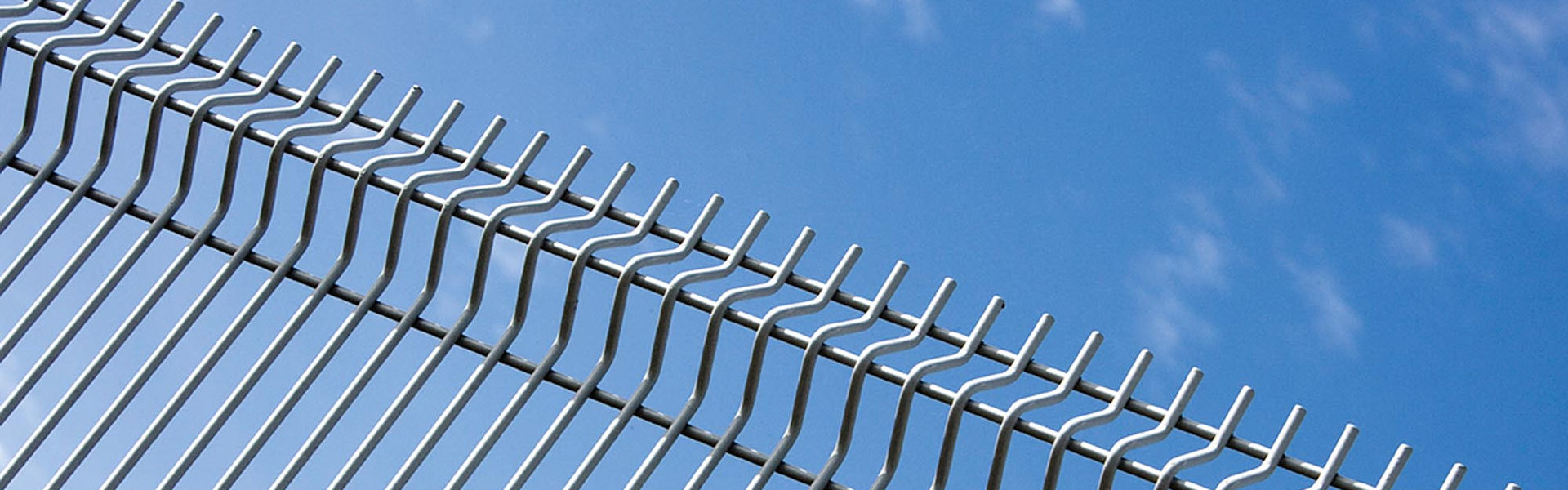
Specializing In The Production Of Gabions, Fences, Sound Barriers, Protective Barriers And Other Products
Author:
Shitai
Release Time:
Jul 08,2026
Crimped mesh is a strong, flexible woven wire used for screening, filtration, reinforcement, and security in construction and industrial settings.

You see crimped mesh in many daily and industrial settings. This material uses strong wires woven together with a special crimping process. Crimped mesh gives you strength, stability, and flexibility. People use it in construction, mining, and even for decorative projects. When you choose crimped mesh, you get a product that stands up to tough jobs and delivers lasting performance.
Key Takeaways
Crimped mesh is strong and flexible, making it ideal for construction, mining, and decorative projects.
The crimping process locks wires together, providing stability and preventing movement, which is essential for heavy-duty applications.
You can customize crimped mesh by choosing different materials, sizes, and patterns to fit your specific needs.
Crimped mesh is easy to maintain and lasts a long time, especially when made from rust-resistant materials like stainless steel.
This versatile material is used in various applications, including filtration, architecture, and security fencing, offering both function and style.
What Is Crimped Mesh?

Definition and Function
You encounter crimped mesh in many places where strength and stability matter. Crimped mesh uses wires that are bent and woven together.According to ASTM International, standardized wire materials and manufacturing practices help ensure consistent strength, durability, and dimensional accuracy for industrial wire mesh products. This process creates a grid pattern. You get a mesh that holds its shape and resists movement. The crimping process locks each wire in place. You can rely on crimped mesh for tasks that need support, separation, or protection.
Tip: When you choose crimped mesh, you select a material that stands up to heavy loads and rough conditions.
You often see crimped mesh in screens, filters, and barriers. The mesh lets air, light, or liquids pass through while blocking larger objects. You can use it to sort materials, reinforce structures, or create safe spaces. The design gives you flexibility. You can pick different wire thicknesses and mesh sizes to match your needs.
How Crimped Mesh Differs from Other Mesh Types
You may wonder how crimped mesh stands apart from other mesh products. The main difference comes from the crimping process. Other mesh types, like welded mesh or expanded metal, use different methods to join wires or create openings.
Here is a simple table to help you compare:
You get more flexibility with crimped mesh. You can shape it for curved surfaces or custom designs. Welded mesh stays rigid and works best for flat panels. Expanded metal uses a solid sheet, so you do not get the same woven look.
Crimped mesh gives you a secure fit because the wires interlock.
You can choose different patterns, like square or rectangular openings.
You get options for heavy-duty or decorative uses.
When you need a mesh that adapts to many jobs, crimped mesh offers the best balance of strength and versatility.
Crimped Mesh Manufacturing

Crimping Process Overview
You start with straight wires. Machines bend each wire at set points. This bending is called crimping. The wires cross over and under each other. Each crimp locks the wires together. This process gives the mesh its strength and shape. You get a grid that does not shift or loosen easily. The crimping process also lets you choose different opening sizes. You can pick a tight mesh for fine filtering or a wide mesh for heavy-duty jobs.
Note: Crimping makes the mesh strong and stable. You can trust it to hold up under pressure.
Types of Crimps
You can find several crimp patterns in crimped mesh. Each pattern works best for certain jobs. Here is a table that shows common crimp types and where you might use them:
You can choose a pattern based on your needs. For example, you might use flat-top bending in machines that shake or vibrate. You might pick locking bending when you need extra strength.
Common Materials
You can make crimped mesh from many materials. Iron wire is a common choice. It gives you good strength for most uses. For tough jobs, you might pick stainless steel or heavy-duty alloys. These materials resist rust and last longer outdoors. You can also find crimped mesh made from brass or copper for special uses. The material you choose depends on where you plan to use the mesh. For example, stainless steel works well in wet places. Brass or copper fits best in decorative or electrical projects.
Tip: Always match the material to your project. This helps your mesh last longer and work better.
Crimped Mesh Features
Strength and Durability
You need materials that last when you build or protect something. Crimped mesh gives you high strength because each wire locks tightly with the next. This design helps the mesh resist bending and breaking. You can use it in places that face heavy loads or strong impacts. For example, you might see it in concrete reinforcement or as a barrier in construction zones. The wires do not slip out of place, so you get a stable structure. You can trust crimped mesh to keep its shape and support your project for a long time.
Versatility and Customization
You can use crimped mesh in many ways because it adapts to your needs. You can pick different materials, such as stainless steel, aluminum, or carbon steel. These choices let you match the mesh to your project’s look and function. You can also change the mesh size and wire diameter. This means you can make the openings bigger or smaller and choose thicker or thinner wires. The table below shows what you can customize:
You can use crimped mesh in construction for strong barriers or in food processing for fine filters. You can also find it in pharmaceutical plants where you need clean separation. Here are some ways versatility helps you:
You can reinforce concrete or build protective barriers.
You can filter or separate materials in factories.
You can choose a material that looks good and works well.
Maintenance and Longevity
You want a product that lasts and does not need much care. Crimped mesh stands up to weather, moisture, and wear. If you choose stainless steel, you get even more resistance to rust. You can clean the mesh easily with water or a brush. The wires stay in place, so you do not need to fix them often. You save time and money because the mesh keeps working year after year.
Tip: Pick the right material for your environment. This helps your mesh last longer and keeps maintenance simple.
Crimped Mesh Applications
Industrial Uses (Filtration, Screening, Sifting)
You find crimped mesh in many industrial settings. You use it to separate, filter, and sort materials. In mining, you rely on it to screen rocks and minerals. The mesh holds up under heavy loads and constant vibration. In construction, you use it to reinforce concrete or as a base for plaster. You also see it in factories where workers sift powders or grains. The mesh lets small particles pass while blocking larger ones. This helps you keep your process clean and efficient.
You can choose different mesh sizes for different jobs. A fine mesh works well for filtering liquids or powders. A larger mesh fits best for sorting stones or gravel. You get a strong and stable product that does not shift or break easily. This makes your work safer and more reliable.
Tip: When you need to separate or filter materials, pick a mesh size that matches your needs. This helps you get the best results.
Architectural and Decorative Uses
You see crimped mesh in many modern buildings. Architects use it for both style and function. You can add it to facades and sunscreens to create a unique look and control sunlight. You might use it as an interior wall feature or a room divider. The mesh gives your space a modern and open feel. You also find it in outdoor furniture and panels. These uses show how the mesh blends beauty with strength.
Facades and sunscreens
Interior wall features and room dividers
Outdoor furniture and panels
Stainless steel crimped mesh works well outdoors. It resists rust and stands up to rain and humidity. You can trust it to last for many years without losing its shape or shine. This makes it a smart choice for long-term projects in wet or coastal areas.
Security and Fencing
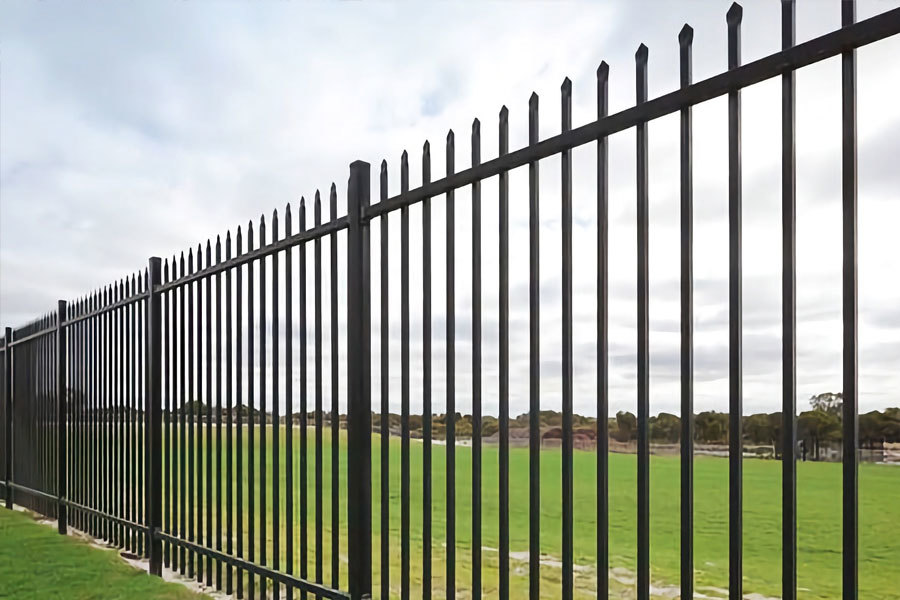
You use crimped mesh to build strong fences and barriers. It protects property and keeps people safe. You see it around construction sites, factories, and even homes. The mesh forms a tough wall that is hard to cut or climb. You can also use it for gates, railings, and partitions. The mesh lets you see through while still blocking entry.
You can pick a heavy-duty mesh for high-security areas. For less risky places, you might choose a lighter mesh. You get a fence that fits your needs and budget. The mesh stays strong in all weather, so you do not need to replace it often.
Note: Crimped mesh gives you both safety and visibility. You can protect your space without blocking your view.
Trends and Innovations
New Materials and Designs
You see crimped mesh changing as new materials and designs appear. Manufacturers now use advanced metals like duplex stainless steel and titanium. These metals give you better resistance to corrosion and higher strength. You can also find mesh made from coated wires. These coatings help the mesh last longer in harsh weather or chemical environments.
Designers now create mesh with special shapes and patterns. You can choose from diamond, hexagonal, or even custom openings. Some companies use laser technology to cut mesh with high precision. This lets you get mesh that fits your project perfectly. You also see mesh with colored finishes. These finishes help you match the mesh to your building or product style.
Note: New materials and designs help you solve problems that older mesh could not handle. You get more choices for both function and appearance.
Here is a table showing some new materials and their benefits:
Emerging Applications
You now find crimped mesh in many new places. In green building projects, you use mesh for living walls and plant supports. These walls help you save energy and improve air quality. You also see mesh in public art and creative installations. Artists use mesh to build sculptures and large displays.
In the tech world, you use crimped mesh for shielding electronic equipment. The mesh blocks electromagnetic interference and keeps devices safe. You also find mesh in modern transportation. Train stations and airports use mesh panels for safety and airflow.
Living walls and green facades
Public art and sculpture
Electronic shielding
Safety panels in transport hubs
Tip: Watch for new uses of crimped mesh. You may find it in places you never expected!
You now know that crimped mesh gives you strength, stability, and flexibility. The table below shows the main points:
You can use crimped mesh in many industries. Its design helps you solve tough problems. Consider crimped mesh for your next project.
FAQ
What sizes does crimped mesh come in?
You can find crimped mesh in many sizes. Mesh openings range from very small (for fine filtering) to large (for heavy-duty screening). Wire diameters also vary. Check with your supplier for custom options.
How do you clean crimped mesh?
You can clean crimped mesh with water and a brush. For tough dirt, use mild soap. Stainless steel mesh resists rust, so you do not need special cleaners. Always rinse and dry the mesh after cleaning.
Can you use crimped mesh outdoors?
Yes, you can use crimped mesh outdoors. Choose stainless steel or PVC-coated mesh for the best weather resistance. These materials stand up to rain, sun, and wind.
Tip: Pick the right material for your climate to make your mesh last longer.
What are the main differences between crimped mesh and welded mesh?
You get more flexibility and a woven look with crimped mesh.
Get A Quote
Note: Please leave your email address, our professionals will contact you as soon as possible!
Spotlight





Official Website
Hello, What can we do for you?
*Note: Please be sure to fill in the information accurately and keep the communication unblocked. We will contact you as soon as possible


